Early Modern Iberian History in Global Contexts – serie
Visar alla böcker i serien Early Modern Iberian History in Global Contexts. Handla med fri frakt och snabb leverans.
19 produkter
19 produkter
Inbunden, Engelska, 2020
2 244 kr
Skickas inom 10-15 vardagar
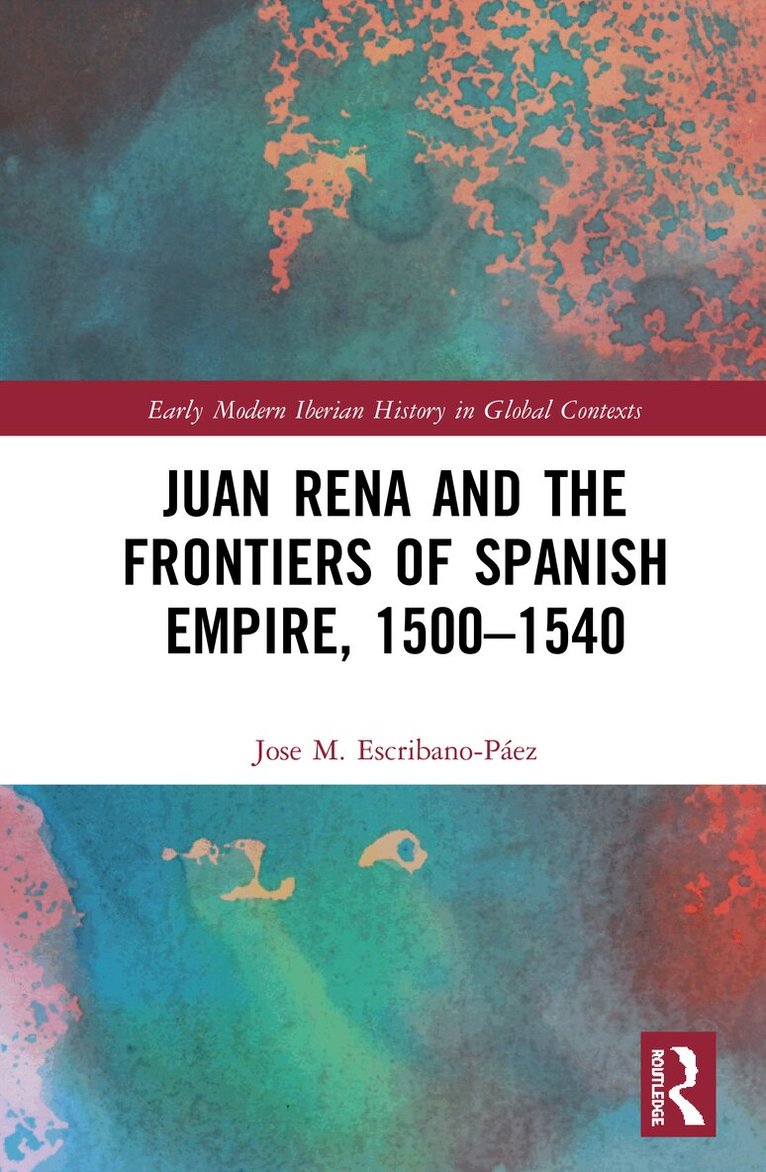
This book explores the political construction of imperial frontiers during the reigns of Ferdinand the Catholic and Charles V in the Iberian Peninsula and the Mediterranean. Contrary to many studies on this topic, this book neither focuses on a specific frontier nor attempts to provide an overview of all the imperial frontiers. Instead, it focuses on a specific individual: Juan Rena (1480–1539). This Venetian clergyman spent 40 years serving the king in several capacities while travelling from the Maghreb to northern Spain, from the Pyrenees to the western fringes of the Ottoman Empire. By focusing on his activities, the book offers an account of the Spanish Empire’s frontiers as a vibrant political space where a multiplicity of figures interacted to shape power relations from below. Furthermore, it describes how merchants, military officers, nobles, local elites and royal agents forged a specific political culture in the empire’s liminal spaces. Through their negotiations and cooperation, but also through their competition and clashes, they created practices and norms in areas like cross-cultural diplomacy, the making of the social fabric, the definition of new jurisdictions, and the mobilization of resources for war.
Inbunden, Engelska, 2020
1 496 kr
Skickas
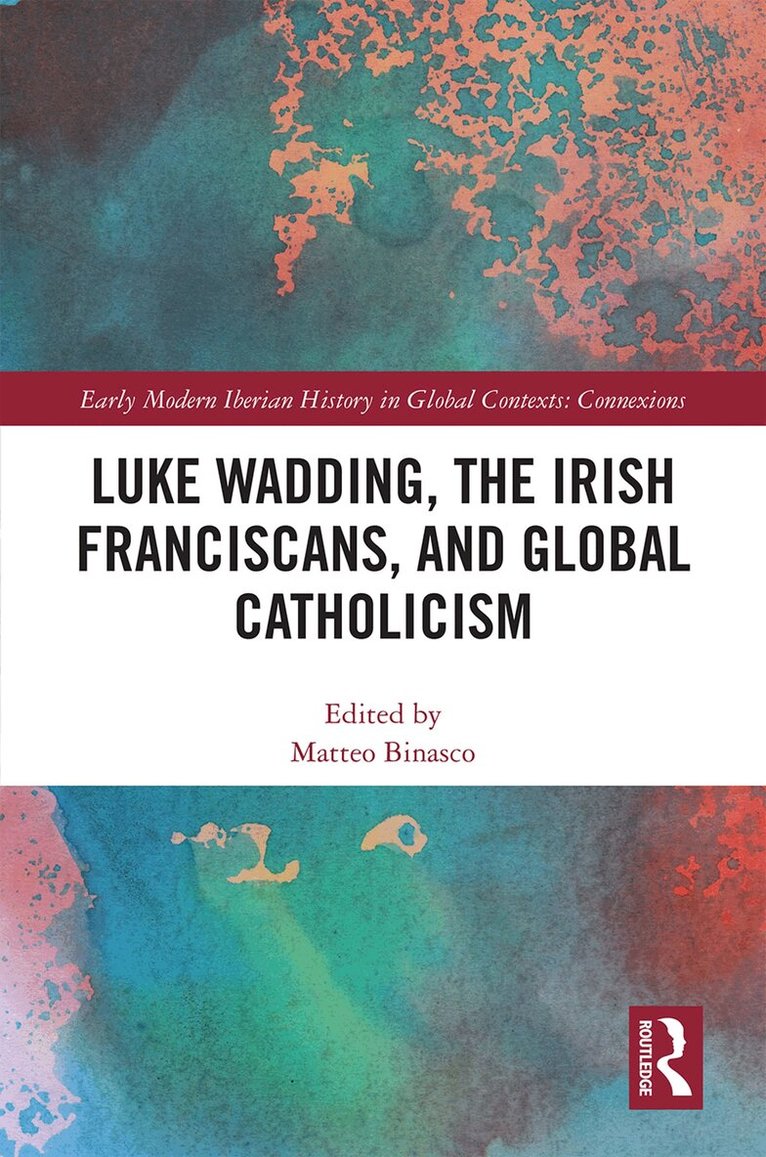
This book explores the endeavors and activities of one of the most prominent early modern Irishmen in exile, the Franciscan Luke Wadding. Born in Ireland, educated in the Iberian Peninsula, Wadding arrived in Rome in 1618, where he would die in 1657. In the "Eternal City," the Franciscan emerged as an outstanding theologian, a learned scholar, a diplomat, and a college founder. This innovative collection of chapters brings together a group of international scholars who provide a ground-breaking analysis of the many cultural, political, and religious facets of Wadding’s life. They illustrate the challenges and changes faced by an Irishman who emerged as one of the most outstanding global figures of the Catholic Reformation. The volume will attract scholars of the early modern period, early modern Catholicism, and Irish emigration.
Inbunden, Engelska, 2025
2 244 kr
Skickas inom 10-15 vardagar
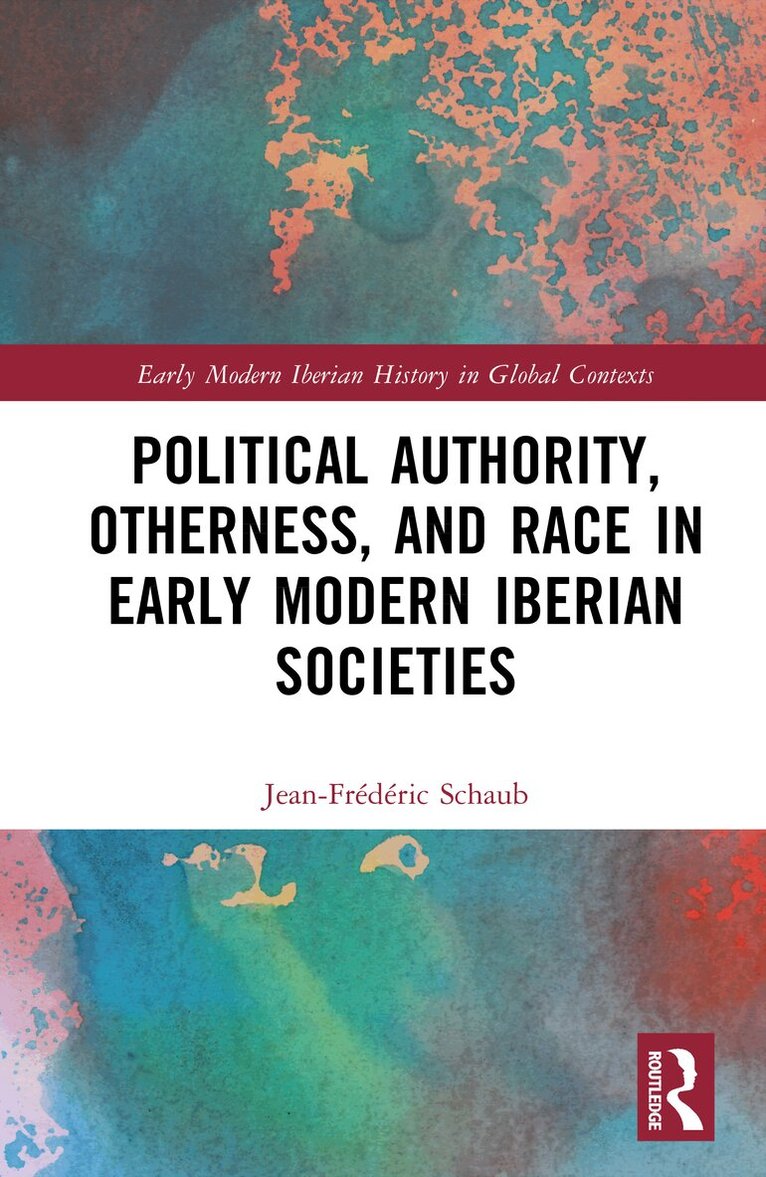
This book examines how the Iberian empires of the early-modern period were structured around population control, segregation, and racial policies rather than nation-state characteristics.Covering a variety of topics, Schaub analyzes the idea that the political regimes of the 15th-18th centuries did not have the characteristics of contemporary nation-states. It shows that control over populations, their description and the implementation of segregation played a central role in the structuring of these political systems. The focus is on the two Iberian monarchies in the early-modern period. The reader will find both theoretical propositions of wide relevance and empirical examples as case studies. There are detailed explanations of the political regimes in the 16th and 17th centuries, based on the example of the union of the crowns of Spain and Portugal. The book presents methods of managing the diversity of populations within imperial structures. It shows that the notion of the stain (macula) played an important role in disqualifying individuals and social groups. Finally, it draws on these empirical case studies to offer a general reflection on the history of race and colonization. In short, the book shows that it is impossible to understand the political structures of the ancien régime without giving a central role to the policies of race.Political Authority, Otherness, and Race in Iberian Early Modern Societies will be of value to students and researchers who wish to gain a better understanding of the empires of the early-modern period.
Häftad, Engelska, 2022
671 kr
Skickas inom 10-15 vardagar
This book explores the political construction of imperial frontiers during the reigns of Ferdinand the Catholic and Charles V in the Iberian Peninsula and the Mediterranean. Contrary to many studies on this topic, this book neither focuses on a specific frontier nor attempts to provide an overview of all the imperial frontiers. Instead, it focuses on a specific individual: Juan Rena (1480–1539). This Venetian clergyman spent 40 years serving the king in several capacities while travelling from the Maghreb to northern Spain, from the Pyrenees to the western fringes of the Ottoman Empire. By focusing on his activities, the book offers an account of the Spanish Empire’s frontiers as a vibrant political space where a multiplicity of figures interacted to shape power relations from below. Furthermore, it describes how merchants, military officers, nobles, local elites and royal agents forged a specific political culture in the empire’s liminal spaces. Through their negotiations and cooperation, but also through their competition and clashes, they created practices and norms in areas like cross-cultural diplomacy, the making of the social fabric, the definition of new jurisdictions, and the mobilization of resources for war.
Inbunden, Engelska, 2022
2 027 kr
Skickas inom 10-15 vardagar
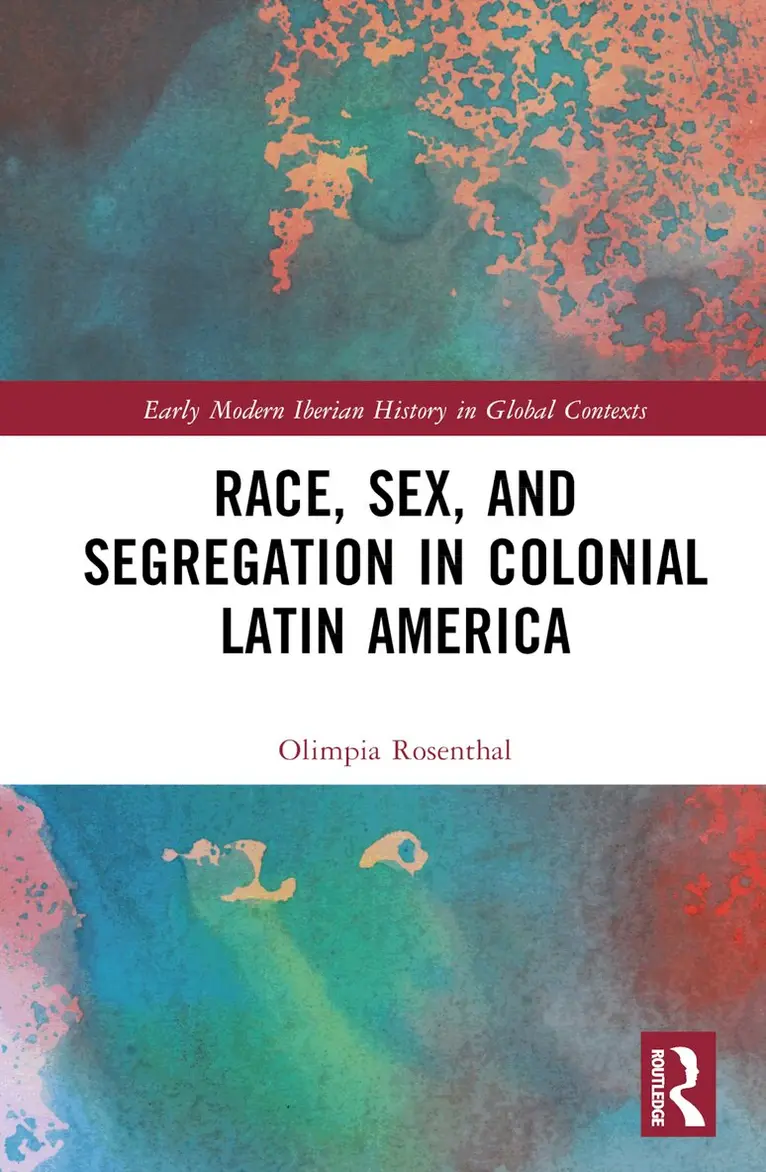
This book traces the emergence and early development of segregationist practices and policies in Spanish and Portuguese America - showing that the practice of resettling diverse indigenous groups in segregated "Indian towns" (or aldeamentos in the case of Brazil) influenced the material reorganization of colonial space, shaped processes of racialization, and contributed to the politicization of reproductive sex. The book advances this argument through close readings of published and archival sources from the 16th and early-17th centuries, and is informed by two main conceptual concerns. First, it considers how segregation was envisioned, codified, and enforced in a historical context of consolidating racial differences and changing demographics associated with the racial mixture. Second, it theorizes the interrelations between notions of race and reproductive sexuality. It shows that segregationist efforts were justified by paternalistic discourses that aimed to conserve and foster indigenous population growth, and it contends that this illustrates how racially-qualified life was politicized in early modernity. It further demonstrates that women’s reproductive bodies were instrumentalized as a means to foster racially-qualified life, and it argues that processes of racialization are critically tied to the differential ways in which women’s reproductive capacities have been historically regulated.Race, Sex, and Segregation in Colonial Latin America is essential for students, researchers and scholars alike interested in Latin American history, social history and gender studies.
Häftad, Engelska, 2022
479 kr
Skickas
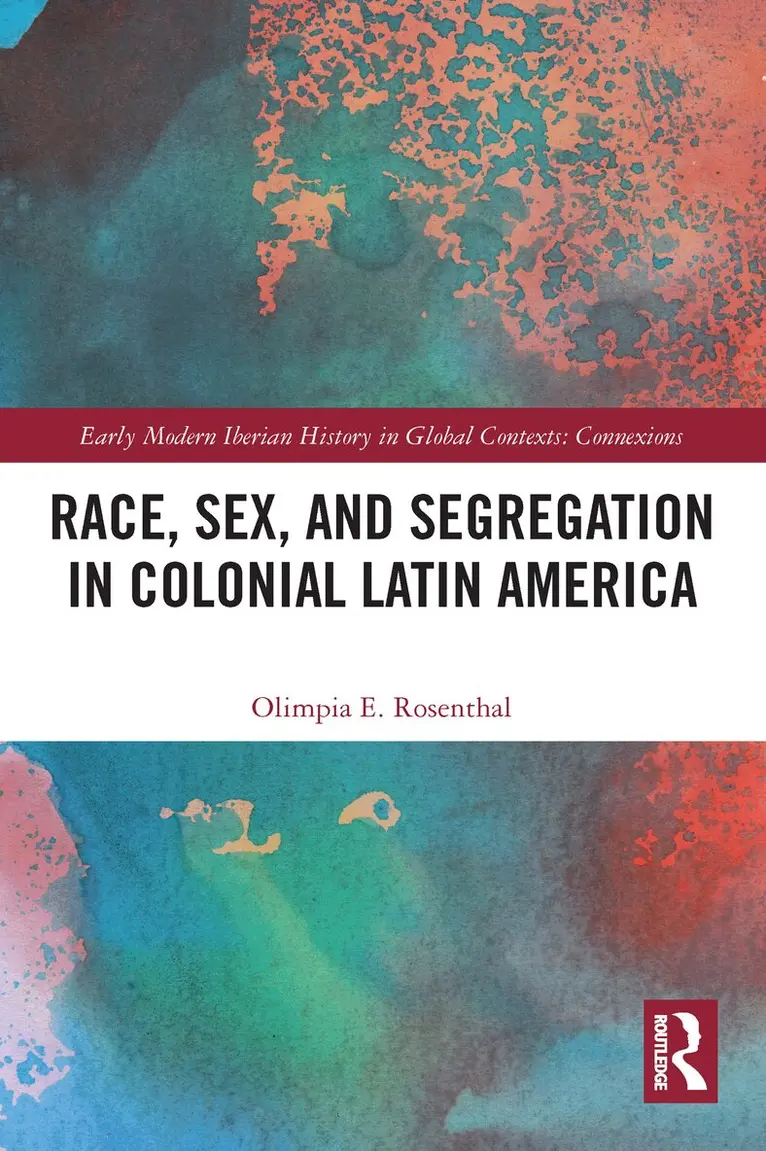
This book traces the emergence and early development of segregationist practices and policies in Spanish and Portuguese America - showing that the practice of resettling diverse indigenous groups in segregated "Indian towns" (or aldeamentos in the case of Brazil) influenced the material reorganization of colonial space, shaped processes of racialization, and contributed to the politicization of reproductive sex. The book advances this argument through close readings of published and archival sources from the 16th and early-17th centuries, and is informed by two main conceptual concerns. First, it considers how segregation was envisioned, codified, and enforced in a historical context of consolidating racial differences and changing demographics associated with the racial mixture. Second, it theorizes the interrelations between notions of race and reproductive sexuality. It shows that segregationist efforts were justified by paternalistic discourses that aimed to conserve and foster indigenous population growth, and it contends that this illustrates how racially-qualified life was politicized in early modernity. It further demonstrates that women’s reproductive bodies were instrumentalized as a means to foster racially-qualified life, and it argues that processes of racialization are critically tied to the differential ways in which women’s reproductive capacities have been historically regulated.Race, Sex, and Segregation in Colonial Latin America is essential for students, researchers and scholars alike interested in Latin American history, social history and gender studies.
Inbunden, Engelska, 2022
1 835 kr
Skickas
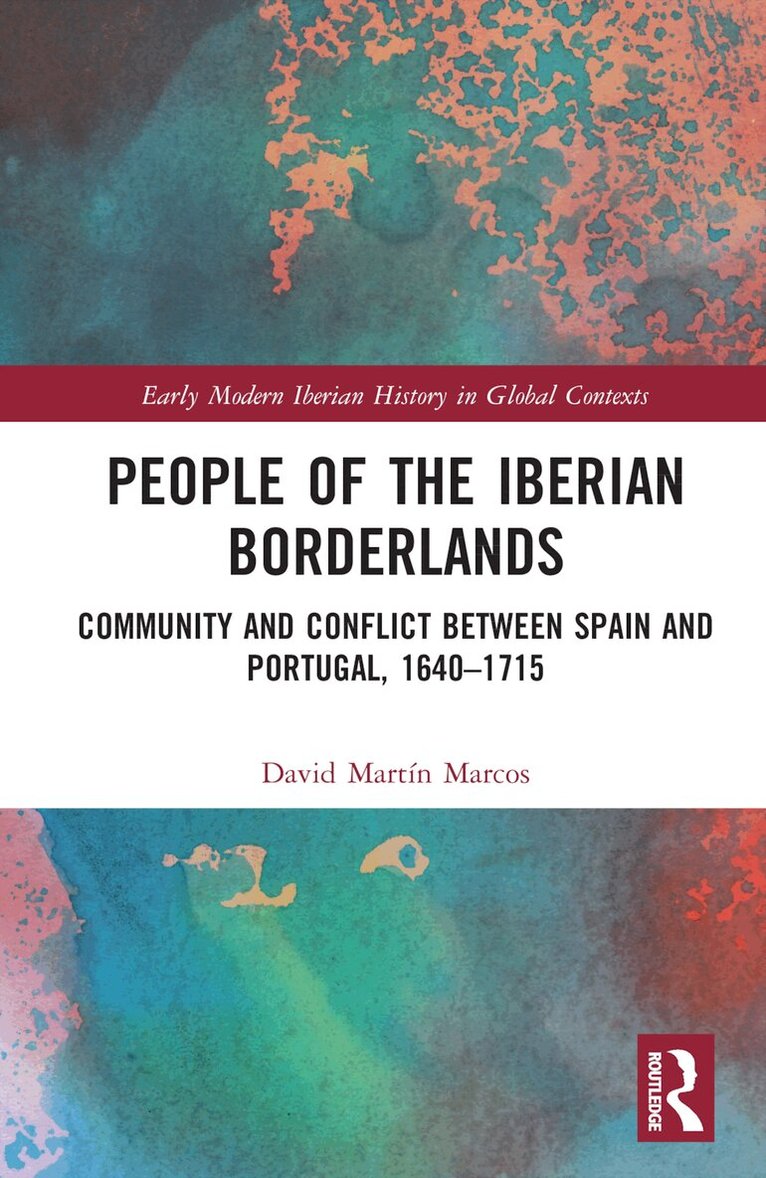
This book is devoted to the inhabitants of the Spanish–Portuguese borderlands during the early modern period. It seeks to challenge a predominant historiography focused on the study of borderlands societies, relying exclusively on the antagonistic topics of subversion and the construction of boundaries. It states that by focusing just on one concept or another there is a restrictive understanding tending to condition the agency of local communities by external narratives. Thus, if traditionally border people were reduced by some scholars to actors of a struggle against a supposedly imposed border; in a more modern perspective, their behaviors have been also framed in bottom-up processes of consolidation of spaces of sovereignty in a no less limiting vision. Faced with both approaches, the objective of this work is not to deny them but, first and foremost, to situate the experiences of border populations outside of logics that I understand as originally alien to themselves, and to highlight their own subjectivity. Finally, it also demonstrates that most of the practices developed by border people were fundamentally aimed at defending their local communities.It will be useful for both audiences interested in early modern Iberia or border studies from a bottom-up perspective.
Häftad, Engelska, 2024
595 kr
Skickas inom 10-15 vardagar
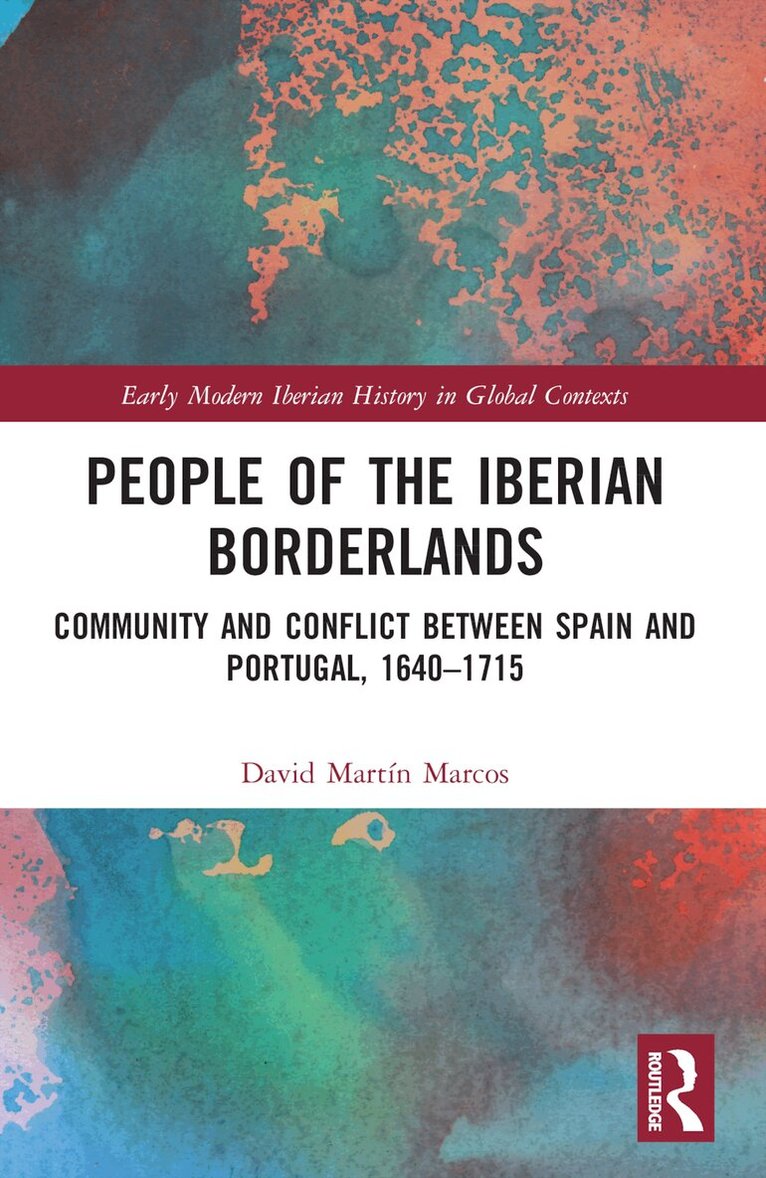
This book is devoted to the inhabitants of the Spanish–Portuguese borderlands during the early modern period. It seeks to challenge a predominant historiography focused on the study of borderlands societies, relying exclusively on the antagonistic topics of subversion and the construction of boundaries. It states that by focusing just on one concept or another there is a restrictive understanding tending to condition the agency of local communities by external narratives. Thus, if traditionally border people were reduced by some scholars to actors of a struggle against a supposedly imposed border; in a more modern perspective, their behaviors have been also framed in bottom-up processes of consolidation of spaces of sovereignty in a no less limiting vision. Faced with both approaches, the objective of this work is not to deny them but, first and foremost, to situate the experiences of border populations outside of logics that I understand as originally alien to themselves, and to highlight their own subjectivity. Finally, it also demonstrates that most of the practices developed by border people were fundamentally aimed at defending their local communities.It will be useful for both audiences interested in early modern Iberia or border studies from a bottom-up perspective.
Inbunden, Engelska, 2021
2 244 kr
Skickas inom 10-15 vardagar
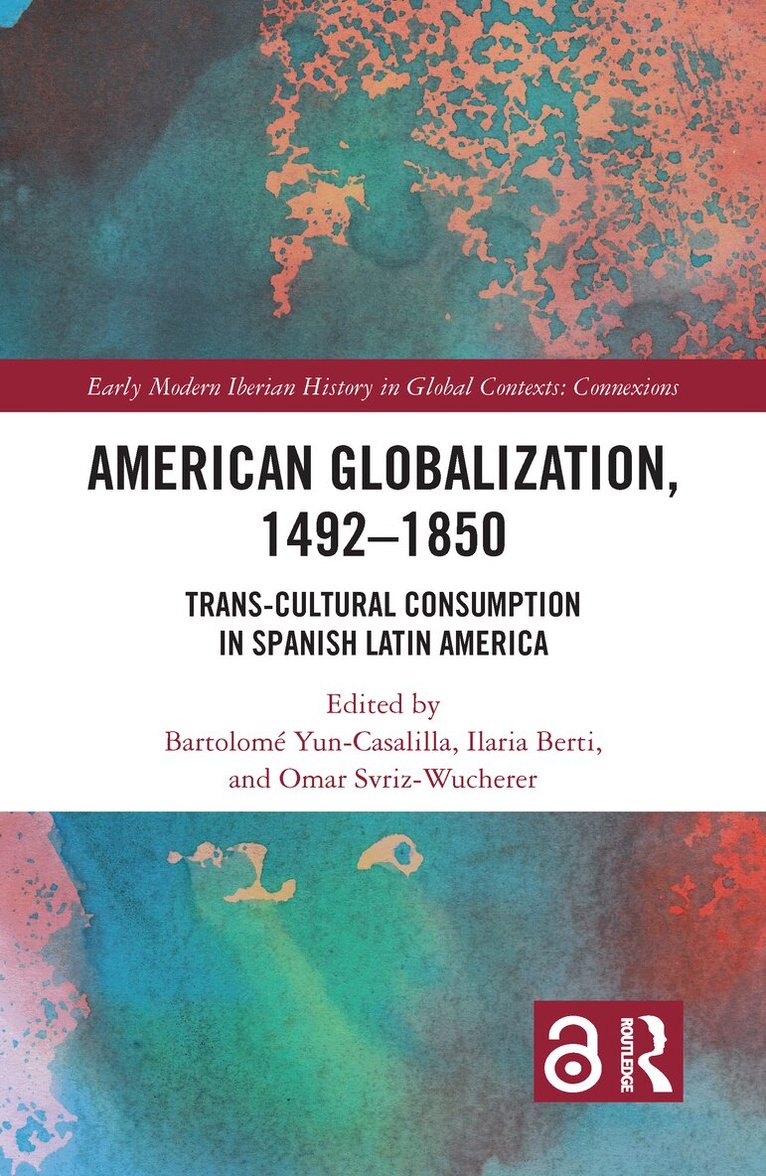
Following a study on the world flows of American products during early globalization, here the authors examine the reverse process. By analyzing the imperial political economy, the introduction, adaptation and rejection of new food products in America, as well as of other European, Asian and African goods, American Globalization, 1492–1850, addresses the history of consumerism and material culture in the New World, while also considering the perspective of the history of ecological globalization.This book shows how these changes triggered the formation of mixed imagined communities as well as of local and regional markets that gradually became part of a global economy. But it also highlights how these forces produced a multifaceted landscape full of contrasts and recognizes the plurality of the actors involved in cultural transfers, in which trade, persuasion and violence were entwined. The result is a model of the rise of consumerism that is very different from the ones normally used to understand the European cases, as well as a more nuanced vision of the effects of ecological imperialism, which was, moreover, the base for the development of unsustainable capitalism still present today in Latin America.Chapters 1, 3, 4, 7, 8, 11, and 13 of this book are freely available as a downloadable Open Access PDF under a Creative Commons Attribution-Non Commercial-No Derivatives 4.0 license available at http://www.taylorfrancis.com
Inbunden, Engelska, 2020
2 460 kr
Skickas inom 10-15 vardagar
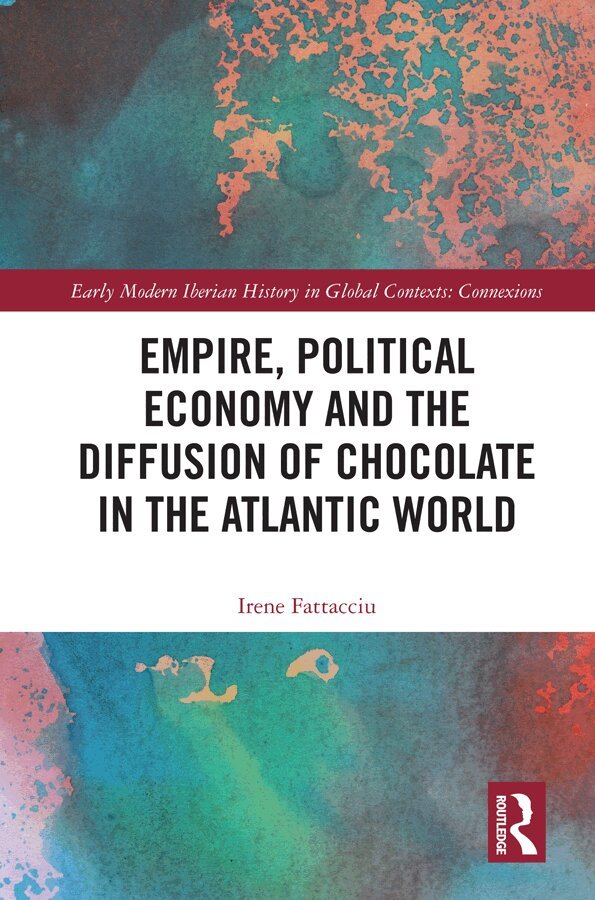
Chocolate is one of the most visible examples of how a deeply exotic consumer product penetrating our daily lives fascinated Europeans during the Early Modern period. Today, over fifty percent of the four million tons of cocoa produced globally come from Sub-Saharan Africa. Ecuadorian cocoa, on the other hand, is considered premium quality. Yet the fact that Ecuadorian cocoa is preferred by today's artisanal chocolate makers is one of history’s ironic turns. During the eighteenth century, production and exports of Ecuadorian cocoa dramatically expanded due to its fast growth rate, high yield and low price, though certainly not due to its qualities of taste. This book analyzes the transition of chocolate from an exotic curiosity to an Atlantic commodity. It shows how local, inter-regional, and Atlantic markets interacted with one another and with imperial political economies. It explains how these interactions, intertwined with the resilience of local artisanal production, promoted the partial democratization of chocolate consumption as well as economic growth.
Häftad, Engelska, 2023
614 kr
Skickas inom 10-15 vardagar
Following a study on the world flows of American products during early globalization, here the authors examine the reverse process. By analyzing the imperial political economy, the introduction, adaptation and rejection of new food products in America, as well as of other European, Asian and African goods, American Globalization, 1492–1850, addresses the history of consumerism and material culture in the New World, while also considering the perspective of the history of ecological globalization.This book shows how these changes triggered the formation of mixed imagined communities as well as of local and regional markets that gradually became part of a global economy. But it also highlights how these forces produced a multifaceted landscape full of contrasts and recognizes the plurality of the actors involved in cultural transfers, in which trade, persuasion and violence were entwined. The result is a model of the rise of consumerism that is very different from the ones normally used to understand the European cases, as well as a more nuanced vision of the effects of ecological imperialism, which was, moreover, the base for the development of unsustainable capitalism still present today in Latin America.Chapters 1, 3, 4, 7, 8, 11, and 13 of this book are freely available as a downloadable Open Access PDF under a Creative Commons Attribution-Non Commercial-No Derivatives 4.0 license available at http://www.taylorfrancis.com
Inbunden, Engelska, 2021
2 246 kr
Skickas inom 10-15 vardagar
This book explains how Genoese entrepreneurs transformed the structures of global trade during the second half of the seventeenth century. The author reconstructs the business network built by the Genoese merchant Domenico Grillo between the 1650s and the 1680s. Grillo’s business interests stretched from the Mediterranean to Pacific South America, traversing and joining the Spanish, Dutch, and English Atlantics. He and his associates created a new business model that was to be emulated by Dutch, French, and English traders in subsequent decades: the monopolistic asientos for the exploitation of the trans-imperial and intra-American slave trade to Spanish America. Offering a connected history of capitalism across trans-continental geographies and different empires, this book challenges established views of a period which has traditionally been interrogated from a northern European mercantile perspective. Cutting across the histories of the slave trade in the Atlantic world, early modern capitalism, and early modern empire, this study has much to offer to students and scholars interested in the agents, economic practices, and geographies of trade that do not easily fit into and therefore disrupt the traditional narratives of the Rise of the West.Chapter 6 of this book is freely available as a downloadable Open Access PDF under a Creative Commons Attribution-Non Commercial-No Derivatives 4.0 license available at http://www.taylorfrancis.com
Häftad, Engelska, 2023
614 kr
Skickas inom 10-15 vardagar
This book explains how Genoese entrepreneurs transformed the structures of global trade during the second half of the seventeenth century. The author reconstructs the business network built by the Genoese merchant Domenico Grillo between the 1650s and the 1680s. Grillo’s business interests stretched from the Mediterranean to Pacific South America, traversing and joining the Spanish, Dutch, and English Atlantics. He and his associates created a new business model that was to be emulated by Dutch, French, and English traders in subsequent decades: the monopolistic asientos for the exploitation of the trans-imperial and intra-American slave trade to Spanish America. Offering a connected history of capitalism across trans-continental geographies and different empires, this book challenges established views of a period which has traditionally been interrogated from a northern European mercantile perspective. Cutting across the histories of the slave trade in the Atlantic world, early modern capitalism, and early modern empire, this study has much to offer to students and scholars interested in the agents, economic practices, and geographies of trade that do not easily fit into and therefore disrupt the traditional narratives of the Rise of the West.Chapter 6 of this book is freely available as a downloadable Open Access PDF under a Creative Commons Attribution-Non Commercial-No Derivatives 4.0 license available at http://www.taylorfrancis.com
Häftad, Engelska, 2021
672 kr
Skickas inom 10-15 vardagar
Chocolate is one of the most visible examples of how a deeply exotic consumer product penetrating our daily lives fascinated Europeans during the Early Modern period. Today, over fifty percent of the four million tons of cocoa produced globally come from Sub-Saharan Africa. Ecuadorian cocoa, on the other hand, is considered premium quality. Yet the fact that Ecuadorian cocoa is preferred by today's artisanal chocolate makers is one of history’s ironic turns. During the eighteenth century, production and exports of Ecuadorian cocoa dramatically expanded due to its fast growth rate, high yield and low price, though certainly not due to its qualities of taste. This book analyzes the transition of chocolate from an exotic curiosity to an Atlantic commodity. It shows how local, inter-regional, and Atlantic markets interacted with one another and with imperial political economies. It explains how these interactions, intertwined with the resilience of local artisanal production, promoted the partial democratization of chocolate consumption as well as economic growth.
Häftad, Engelska, 2021
652 kr
Skickas inom 10-15 vardagar
This book explores the endeavors and activities of one of the most prominent early modern Irishmen in exile, the Franciscan Luke Wadding. Born in Ireland, educated in the Iberian Peninsula, Wadding arrived in Rome in 1618, where he would die in 1657. In the "Eternal City," the Franciscan emerged as an outstanding theologian, a learned scholar, a diplomat, and a college founder. This innovative collection of chapters brings together a group of international scholars who provide a ground-breaking analysis of the many cultural, political, and religious facets of Wadding’s life. They illustrate the challenges and changes faced by an Irishman who emerged as one of the most outstanding global figures of the Catholic Reformation. The volume will attract scholars of the early modern period, early modern Catholicism, and Irish emigration.
Inbunden, Engelska, 2022
1 782 kr
Skickas
Rethinking Catholicism in Renaissance Spain claims that theology and canon law were decisive for shaping ideas, debates, and decisions about key political and religious problems in Renaissance Spain.This book studies Catholic thought during the Spanish Renaissance, with the various contributors specifically exploring the ecclesiology and heresiology of the period. Today, these two subjects are considered to be strictly branches of theology, but at the time, they were also dealt with in the field of canon law. Both ecclesiology, which studied the internal structure of the Church, and heresiology, which identified theological errors, played an important role in shaping ideas, debates, and decisions concerning the major political and religious problems of the late medieval and early modern periods. In contrast to the conventional monolithic view of Spanish Catholic thought on ecclesiastical matters, the chapters in this book demonstrate that there was a wide spectrum of ideas in the field of theology and canon law. The topics analyzed include Church and Crown relations, diplomatic controversies, doctrinal debates on slavery, ecclesiological disputes in dialogue with the Council of Trent, and theories for distinguishing heresies and repressing them.This book will be essential reading for those interested in disciplines such as Church history, political history, and the history of political and legal thought.
Häftad, Engelska, 2024
596 kr
Skickas inom 10-15 vardagar
Rethinking Catholicism in Renaissance Spain claims that theology and canon law were decisive for shaping ideas, debates, and decisions about key political and religious problems in Renaissance Spain.This book studies Catholic thought during the Spanish Renaissance, with the various contributors specifically exploring the ecclesiology and heresiology of the period. Today, these two subjects are considered to be strictly branches of theology, but at the time, they were also dealt with in the field of canon law. Both ecclesiology, which studied the internal structure of the Church, and heresiology, which identified theological errors, played an important role in shaping ideas, debates, and decisions concerning the major political and religious problems of the late medieval and early modern periods. In contrast to the conventional monolithic view of Spanish Catholic thought on ecclesiastical matters, the chapters in this book demonstrate that there was a wide spectrum of ideas in the field of theology and canon law. The topics analyzed include Church and Crown relations, diplomatic controversies, doctrinal debates on slavery, ecclesiological disputes in dialogue with the Council of Trent, and theories for distinguishing heresies and repressing them.This book will be essential reading for those interested in disciplines such as Church history, political history, and the history of political and legal thought.
Inbunden, Engelska, 2024
2 102 kr
Skickas inom 10-15 vardagar
This book examines the cultural relations between the Spanish and Austrian Habsburg monarchies in the seventeenth century and explores the central role of transnational aristocratic networks in cultural transfer processes between Spain and Central Europe. It tells the story of Central European aristocrats who embraced new foreign fashions, commodities, and practices to demonstrate their wealth and superior social position, thereby contributing significantly to the emergence of a cosmopolitan aristocratic Baroque culture. It shows that a new type of aristocrat emerged during this period: the cultured and educated aristocratic connoisseur, who knew how to use cultural imports and practices for his own strategic ends.However, the book also shows that not everyone was equally enthusiastic about the growing cultural imports, but that the boundaries between acceptance and rejection were often fluid. Covering a wide range of topics that span from early modern luxury consumption and food culture to collecting painting and the emergence of early modern aristocratic libraries, the book will appeal to a broad academic audience, including social and cultural historians, art historians, and cultural anthropologists alike.With its transnational scope, the book will be relevant to scholars interested in exploring the cosmopolitan nature of the early modern aristocracy also beyond the Austrian Habsburg monarchy.
Häftad, Engelska, 2026
672 kr
Skickas inom 10-15 vardagar
This book examines the cultural relations between the Spanish and Austrian Habsburg monarchies in the seventeenth century and explores the central role of transnational aristocratic networks in cultural transfer processes between Spain and Central Europe. It tells the story of Central European aristocrats who embraced new foreign fashions, commodities, and practices to demonstrate their wealth and superior social position, thereby contributing significantly to the emergence of a cosmopolitan aristocratic Baroque culture. It shows that a new type of aristocrat emerged during this period: the cultured and educated aristocratic connoisseur, who knew how to use cultural imports and practices for his own strategic ends.However, the book also shows that not everyone was equally enthusiastic about the growing cultural imports, but that the boundaries between acceptance and rejection were often fluid. Covering a wide range of topics that span from early modern luxury consumption and food culture to collecting painting and the emergence of early modern aristocratic libraries, the book will appeal to a broad academic audience, including social and cultural historians, art historians, and cultural anthropologists alike.With its transnational scope, the book will be relevant to scholars interested in exploring the cosmopolitan nature of the early modern aristocracy also beyond the Austrian Habsburg monarchy.