Inbunden, Engelska, 2026
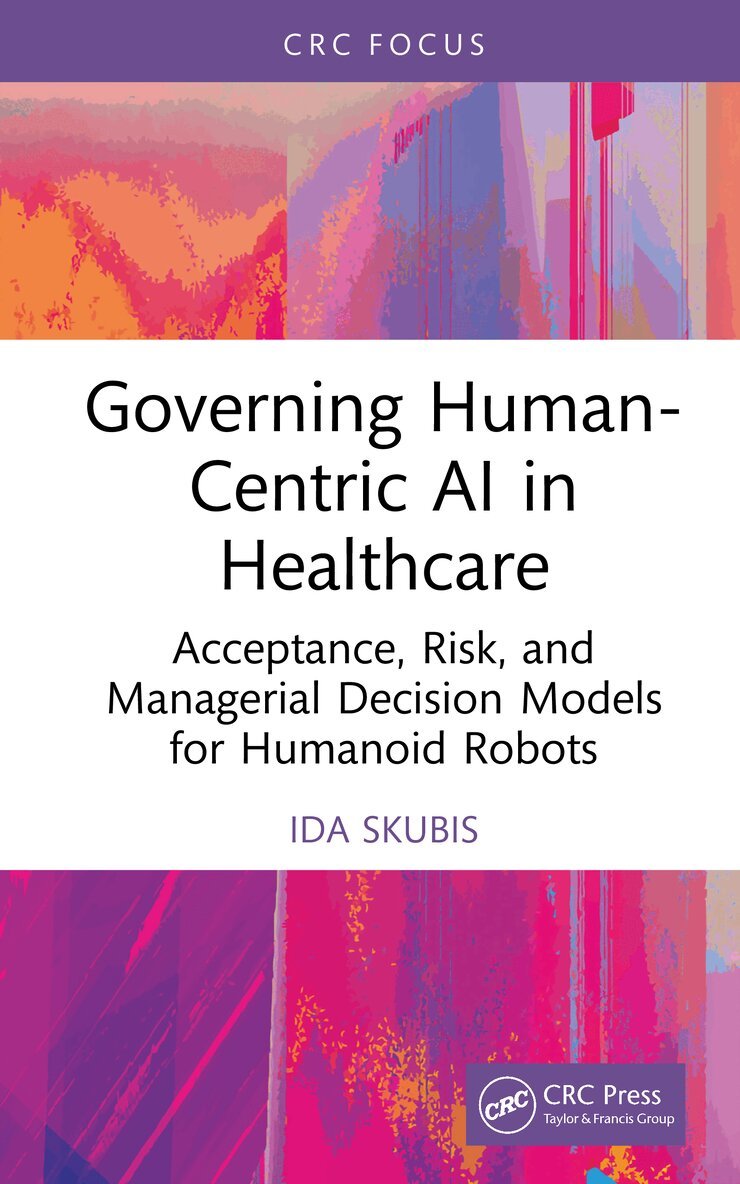
Governing Human-Centric AI in Healthcare
Av Ida Skubis
835 kr
Skickas inom 10-15 vardagar
Beskrivning
The debate about artificial intelligence (AI) in healthcare is no longer focused on whether AI will be used, but on how it should be governed. Across Europe and beyond, policymakers, healthcare organizations, and technology developers are searching for ways to ensure that AI systems remain accountable, transparent, and aligned with human values. The European Union’s Artificial Intelligence Act represents one of the most ambitious attempts to address these challenges through a human-centric approach. Yet an important question remains unanswered: what does human-centric AI actually look like when organizations begin implementing AI technologies in practice?This book explores that question in the context of healthcare and humanoid robotics. Rather than examining regulation or technology in isolation, it brings together perspectives from AI governance, management, healthcare, and technology acceptance research. The discussion moves from the principles embedded in the AI Act to the realities of organizational decision-making, showing how ideas such as human dignity, human oversight, trust, inclusivity, and accountability influence the adoption of emerging technologies.A central theme running throughout the book is the gap between technological possibility and organizational readiness. Drawing on empirical research involving 527 respondents – current and future decision-makers, the book examines perceptions of humanoid robots in healthcare and identifies the factors that encourage or discourage their adoption. The findings reveal that acceptance is shaped not only by expected benefits but also by concerns about trust, responsibility, ethics, patient safety, and the preservation of human interaction in care.The book also proposes two original concepts: the Human-Centric Robot Acceptance Index (HCRAI), which evaluates readiness for humanoid robot adoption, and the Risk Gradient Model of Humanoid Robot Task Acceptance, which explains why some healthcare tasks are considered more suitable for robots than others. Together, these contributions offer new ways of understanding how AI technologies can be integrated into healthcare organizations while maintaining meaningful human oversight.Written for researchers, healthcare professionals, managers, policymakers, and students, this book provides an interdisciplinary perspective on one of the most important challenges facing contemporary healthcare: ensuring that technological innovation remains centered on people rather than technology itself.
Produktinformation
- Utgivningsdatum: 2026-09-22
- Mått: 138 x 216 x 6 mm
- Vikt: 330 g
- Format: Inbunden
- Språk: Engelska
- Antal sidor: 86
- Förlag: Taylor & Francis Ltd
- ISBN: 9781041413646
Utforska kategorier
Betyg & recensioner
0 recensioner
Inga recensioner tillgängliga.