• Fri frakt över 249 kr
  • •
  • Snabba leveranser
  • •
  • Billiga böcker
Kundservice

Du är på sajten för privatpersoner.

Företag, bibliotek eller offentlig verksamhet?

Du handlar på classic.bokus.com, där alla dina funktioner finns intakta.
Till classic.bokus.com
Bokus logotyp. Gå till startsidan.
  • Erbjudanden
  • Nyheter
  • Student
  • Topplistor
  • Barn & ungdom
  • Bokus Play
  • E-böcker
  • Pocketböcker
  • Spel & pussel

10% rabatt på allt med kod NYSTART10 →

Sidfot

Mina sidor

    Hjälp

    • Kundservice
    • Vanliga frågor och svar
    • Frakt och leverans
    • Retur vid ångerrätt
    • Reklamera vara
    • Betalning
    • Köpvillkor
    • Allmänna villkor
    • Information om webbplatsens tillgänglighet

    Om Bokus

    • Om oss
    • Pressrum
    • För studenter
    • För företag
    • För bibliotek och offentlig verksamhet
    • För leverantörer
    • Hållbarhet

    Populärt

    • Aktuella erbjudanden
    • Presentkort
    • Studentlitteratur
    • Nya böcker
    • Topplistor
    • Signerade böcker
    • Engelska böcker

    Inspiration

    • Boktips
    • BookTok
    • Populära bokserier
    • Barnbokskaraktärer
    • Populära författare
    Logotyp för Bokus
    Följ oss på Facebook (extern länk)Följ oss på Instagram (extern länk)Följ oss på YouTube (extern länk)Följ oss på TikTok (extern länk)
    bokus @ CookiesAnpassa cookiesIntegritetspolicyKöpvillkor
    Till Citymail hemsida (extern länk)Till Budbee hemsida (extern länk)Till Postnord hemsida (extern länk)Till Schenker hemsida (extern länk)Till Early Bird hemsida (extern länk)Till Walleys hemsida (extern länk)
    1. Skönlitteratur
    2. Litteraturvetenskap

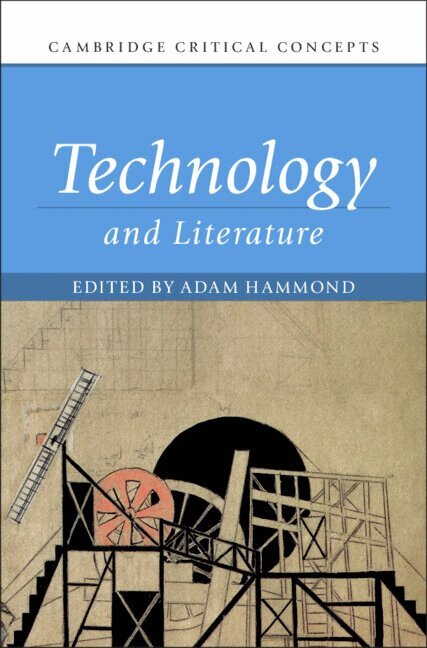
    Technology and Literature

    AvAdam Hammond

    Inbunden, Engelska, 2023

    Del i serien Cambridge Critical Concepts

    1 516 kr

    Beställningsvara. Skickas inom 10-15 vardagar. Fri frakt över 249 kr.

    Beskrivning

    Whereas previous books have explored how literature depicts or discusses scientific concepts, this book argues that literature is a technology. It shows how literature has been shaped by technological revolutions, and reveals the essential work that literature has done in helping to uncover the consequences of new technologies. Individual chapters focus on how specific literary technologies - the development of writing, the printing press, typewriters, the computer - changed the kinds of stories it was possible to tell, and how one could tell them. They also cover the way that literature has engaged with non-literary technologies - clocks, compasses, trains, telegraphs, cameras, bombs, computer networks - to help its readers to work through the new social configurations and new possibilities for human identity and imagination that they unveil. Human life is inescapably mediated through technology; literature demonstrates this, and thus helps its readers to engage consciously and actively with their technological worlds.

    Produktinformation

    • Utgivningsdatum:2023-12-14
    • Mått:155 x 236 x 29 mm
    • Vikt:760 g
    • Format:Inbunden
    • Språk:Engelska
    • Serie:Cambridge Critical Concepts
    • Antal sidor:438
    • Förlag:Cambridge University Press
    • ISBN:9781108472586

    Utforska kategorier

    • Litteraturvetenskap inom Skönlitteratur
    • Naturvetenskap:allmänt inom Naturvetenskap och teknik
    • Litteraturteori inom Skönlitteratur

    Mer om författaren

    Adam Hammond is the author of The Far Shore: Indie Games, Superbrothers, and the Making of Jett (2021) and Literature in the Digital Age (2016), and co-author of Modernism: Keywords (2014). His work has appeared in Wired and The Globe and Mail and has been profiled on BBC and CBC Radio.

    Innehållsförteckning

    • List of figures; List of contributors; Timeline; Introduction Adam Hammond; Part I. Origins: 1. Orality and writing I. J. MacRae; 2. Manuscript Bonnie Mak; 3. The hand press, 1450–1800 Paula McDowell; 4. The mechanical press, 1800–1900 Simon Reader; 5. The typewriter Darren Wershler; 6. Literature in the electric age Lise Jaillant; 7. Digital text Maxwell Foxman; Part II. Developments: 8. Prostheses Alice Hall; 9. Clocks Scott Lightsey; 10. Compasses Chris Barrett; 11. Telescopes Peter C. Herman; 12. Steam engines Nicola Kirkby; 13. Wires Aaron Worth; 14. Cameras Beci Carver; 15. Phonographs Jason Camlot; 16. Waves and rays Jennifer A. Janechek; 17. The bomb Ann Larabee; 18. Networks David Ciccoricco; Part III. Applications: 19. Distant reading Natalie M. Houston; 20. Visualization Daniel Carter; 21. Digital editions Susan Brown; Index.