• Fri frakt över 249 kr
  • •
  • Snabba leveranser
  • •
  • Billiga böcker
Kundservice

Du är på sajten för privatpersoner.

Företag, bibliotek eller offentlig verksamhet?

Du handlar på classic.bokus.com, där alla dina funktioner finns intakta.
Till classic.bokus.com
Bokus logotyp. Gå till startsidan.
  • Erbjudanden
  • Nyheter
  • Student
  • Topplistor
  • Barn & ungdom
  • Bokus Play
  • E-böcker
  • Pocketböcker
  • Spel & pussel

10% studentrabatt med kod TERM26

Sidfot

Mina sidor

    Hjälp

    • Kundservice
    • Vanliga frågor och svar
    • Frakt och leverans
    • Retur vid ångerrätt
    • Reklamera vara
    • Betalning
    • Köpvillkor
    • Allmänna villkor
    • Information om webbplatsens tillgänglighet

    Om Bokus

    • Om oss
    • Pressrum
    • För studenter
    • För företag
    • För bibliotek och offentlig verksamhet
    • För leverantörer
    • Hållbarhet

    Populärt

    • Aktuella erbjudanden
    • Presentkort
    • Studentlitteratur
    • Nya böcker
    • Topplistor
    • Signerade böcker
    • Engelska böcker

    Inspiration

    • Boktips
    • BookTok
    • Populära bokserier
    • Barnbokskaraktärer
    • Populära författare
    Logotyp för Bokus
    Följ oss på Facebook (extern länk)Följ oss på Instagram (extern länk)Följ oss på YouTube (extern länk)Följ oss på TikTok (extern länk)
    bokus @ CookiesAnpassa cookiesIntegritetspolicyKöpvillkor
    Till Citymail hemsida (extern länk)Till Budbee hemsida (extern länk)Till Postnord hemsida (extern länk)Till Schenker hemsida (extern länk)Till Early Bird hemsida (extern länk)Till Walleys hemsida (extern länk)
    1. Historia och arkeologi
    2. Historia
    3. Historia: särskilda händelser och ämnen
    4. Socialhistoria och kulturhistoria

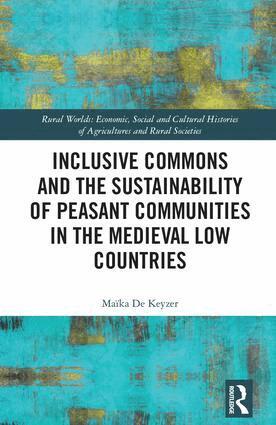
    Inclusive Commons and the Sustainability of Peasant Communities in the Medieval Low Countries

    AvMaïka De Keyzer

    Inbunden, Engelska, 2018

    Del i serien Rural Worlds

    2 506 kr

    Beställningsvara. Skickas inom 10-15 vardagar. Fri frakt över 249 kr.

    Fler format och utgåvor

    Häftad

    705 kr

    E-bok

    829 kr

    E-bok

    829 kr

    Beskrivning

    Is inclusiveness in the commons and sustainability a paradox? Late medieval and Early Modern rural societies encountered challenges because of growing population pressure, urbanisation and commercialisation. While some regions went along this path and commercialised and intensified production, others sailed a different course, maintaining communal property and managing resources via common pool resource institutions. To prevent overexploitation and free riding, it was generally believed that strong formalised institutions, strict access regimes and restricted use rights were essential.By looking at the late medieval Campine area, a sandy, infertile and fragile region, dominated by communal property and located at the core of the densely populated and commercialised Low Countries, it has become clear that sustainability, economic success and inclusiveness can be compatible. Because of a balanced distribution of power between smallholders and elites, strong property claims, a predominance of long-term agricultural strategies and the vitality of informal institutions and conflict resolution mechanisms, the Campine peasant communities were able to avert ecological distress while maintaining a positive economic climate.

    Produktinformation

    • Utgivningsdatum:2018-04-20
    • Mått:152 x 229 x 14 mm
    • Vikt:453 g
    • Format:Inbunden
    • Språk:Engelska
    • Serie:Rural Worlds
    • Antal sidor:138
    • Förlag:Taylor & Francis Ltd
    • ISBN:9781138054042

    Utforska kategorier

    • Socialhistoria och kulturhistoria inom Historia och arkeologi
    • Ekonomisk historia inom Ekonomi och Ledarskap
    • Medeltiden inom Historia och arkeologi

    Mer om författaren

    Maïka De Keyzer is a historian affiliated with the Department of History and Art History at Utrecht University, working within the ERC project "Coordinating for Life."

    Innehållsförteckning

    • 1. The Dominance of Exclusive Commons: An Exploration and Re-evaluation 2. The Campine: An Overview 3. Inclusive Commons 4. Successful Commons: What’s in a Name? 5. The Road to Success 6. Conclusion