• Fri frakt över 249 kr
  • •
  • Snabba leveranser
  • •
  • Billiga böcker
Kundservice

Du är på sajten för privatpersoner.

Företag, bibliotek eller offentlig verksamhet?

Du handlar på classic.bokus.com, där alla dina funktioner finns intakta.
Till classic.bokus.com
Bokus logotyp. Gå till startsidan.
  • Erbjudanden
  • Nyheter
  • Student
  • Topplistor
  • Barn & ungdom
  • Bokus Play
  • E-böcker
  • Pocketböcker
  • Spel & pussel

10% rabatt på allt med kod: NYSTART10 →

Sidfot

Mina sidor

    Hjälp

    • Kundservice
    • Vanliga frågor och svar
    • Frakt och leverans
    • Retur vid ångerrätt
    • Reklamera vara
    • Betalning
    • Köpvillkor
    • Allmänna villkor
    • Information om webbplatsens tillgänglighet

    Om Bokus

    • Om oss
    • Pressrum
    • För studenter
    • För företag
    • För bibliotek och offentlig verksamhet
    • För leverantörer
    • Hållbarhet

    Populärt

    • Aktuella erbjudanden
    • Presentkort
    • Studentlitteratur
    • Nya böcker
    • Topplistor
    • Signerade böcker
    • Engelska böcker

    Inspiration

    • Boktips
    • BookTok
    • Populära bokserier
    • Barnbokskaraktärer
    • Populära författare
    Logotyp för Bokus
    Följ oss på Facebook (extern länk)Följ oss på Instagram (extern länk)Följ oss på YouTube (extern länk)Följ oss på TikTok (extern länk)
    bokus @ CookiesAnpassa cookiesIntegritetspolicyKöpvillkor
    Till Citymail hemsida (extern länk)Till Budbee hemsida (extern länk)Till Postnord hemsida (extern länk)Till Schenker hemsida (extern länk)Till Early Bird hemsida (extern länk)Till Walleys hemsida (extern länk)
    1. Medicin
    2. Medicin: icke kliniska discipliner
    3. Fysiologi

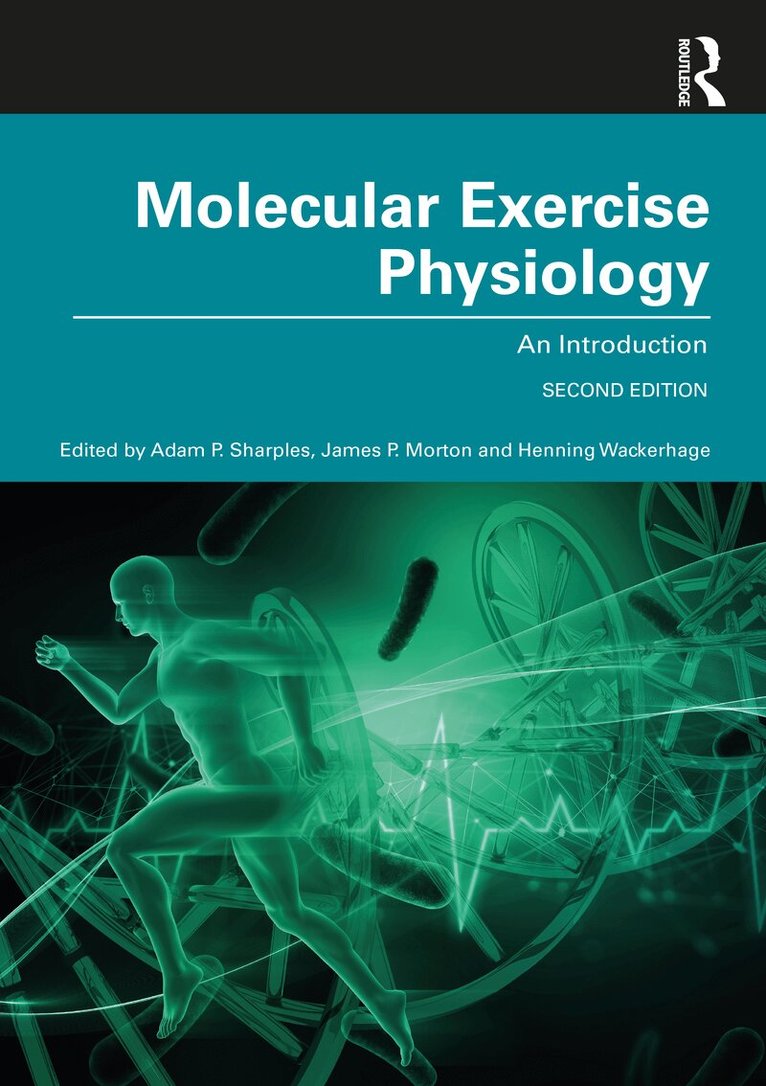
    Molecular Exercise Physiology

    An Introduction

    AvAdam Sharples,Henning Wackerhage

    Häftad, Engelska, 2022

    1 019 kr

    Beställningsvara. Skickas inom 10-15 vardagar. Fri frakt över 249 kr.

    Beskrivning

    Fully revised and expanded, the second edition of Molecular Exercise Physiology offers a student-friendly introduction. It introduces a history documenting the emergence of molecular biology techniques to investigate exercise physiology, the methodology used, exercise genetics and epigenetics, and the molecular mechanisms that lead to adaptation after different types of exercise, with explicit links to outcomes in sport performance, nutrition, physical activity and clinical exercise.Structured around key topics in sport and exercise science and featuring contributions from pioneering scientists, such as Nobel Prize winners, this edition includes new chapters based on cutting-edge research in epigenetics and muscle memory, satellite cells, exercise in cancer, at altitude, and in hot and cold climates. Chapters include learning objectives, structured guides to further reading, review questions, overviews of work by key researchers and box discussions from important pioneers in the field, making it a complete resource for any molecular exercise physiology course. The book includes cell and molecular biology laboratory methods for dissertation and research projects in molecular exercise physiology and muscle physiology.This book is essential reading for upper-level undergraduate or postgraduate courses in cellular and molecular exercise physiology and muscle physiology. It is a valuable resource for any student with an advanced interest in exercise physiology in both sport performance and clinical settings.

    Produktinformation

    • Utgivningsdatum:2022-05-12
    • Mått:170 x 244 x 19 mm
    • Vikt:572 g
    • Format:Häftad
    • Språk:Engelska
    • Antal sidor:344
    • Upplaga:2
    • Förlag:Taylor & Francis Ltd
    • ISBN:9781138086883

    Utforska kategorier

    • Fysiologi inom Medicin
    • Biokemi inom Naturvetenskap och teknik
    • Sportböcker inom Sport, fritid och hobby

    Mer om författaren

    Adam P. Sharples, PhD, is a Professor of Molecular Physiology and Epigenetics at the Norwegian School of Sport Sciences (NiH), Olso, Norway; an institute ranked 2nd (out of 300+) in the world for sport and exercise sciences. He investigates the underlying cellular, molecular and epigenetic mechanisms of muscle growth (hypertrophy) and wasting (atrophy) using both cell modelling and whole-body approaches. His work first demonstrated that human muscle possesses an "epigenetic memory" of exercise. He used to play professional Rugby League in the UK.James P. Morton, PhD, is a Professor of Exercise Metabolism at Liverpool John Moores University (LJMU). His research evaluates the impact of nutrient availability on muscle metabolism during exercise and the molecular regulation of skeletal muscle adaptations to exercise training. James has also worked in a number of performance related roles across both high-performance sport and industry, working with some of the world’s most high profile athletes, sports teams and institutions.Henning Wackerhage, PhD, is a Professor and Molecular Exercise Physiologist. He is specifically interested in the molecular mechanisms by which exercise improves our fitness and health, particularly the role of the so-called Hippo proteins in skeletal muscle and the association between the proteome, metabolome, athletic performance, disease and ageing.

    Innehållsförteckning

    • 1. Introduction to molecular exercise physiology 2. Methods in molecular exercise physiology3. Genetics and exercise: an introduction4. Genetics of muscle mass and strength5. Genetics of endurance6. Epigenetics of exercise 7. Signal transduction and exercise8. Molecular adaptation to resistance exercise9. Molecular adaptations to endurance exercise and skeletal muscle fibre plasticity10. Molecular sport nutrition11. Altitude, temperature, circadiun rhythms and exercise12. Cancer and exercise13. Satellite cells and exercise