• Fri frakt över 249 kr
  • •
  • Snabba leveranser
  • •
  • Billiga böcker
Kundservice

Du är på sajten för privatpersoner.

Företag, bibliotek eller offentlig verksamhet?

Du handlar på classic.bokus.com, där alla dina funktioner finns intakta.
Till classic.bokus.com
Bokus logotyp. Gå till startsidan.
  • Erbjudanden
  • Student
  • Topplistor
  • Barn & ungdom
  • Bokus Play
  • E-böcker
  • Ljudböcker
  • Pocketböcker
  • Spel och pussel

Pocketfynda! Hundratals böcker för 49 kr/st →

Sidfot

Mina sidor

    Hjälp

    • Kundservice
    • Vanliga frågor och svar
    • Frakt och leverans
    • Retur vid ångerrätt
    • Reklamera vara
    • Betalning
    • Köpvillkor
    • Allmänna villkor
    • Information om webbplatsens tillgänglighet

    Om Bokus

    • Om oss
    • Pressrum
    • För studenter
    • För företag
    • För bibliotek och offentlig verksamhet
    • För leverantörer
    • Hållbarhet

    Populärt

    • Aktuella erbjudanden
    • Presentkort
    • Studentlitteratur
    • Nya böcker
    • Topplistor
    • Signerade böcker
    • Engelska böcker

    Inspiration

    • Boktips
    • BookTok
    • Barnbokskaraktärer
    • Populära författare
    Logotyp för Bokus
    Följ oss på Facebook (extern länk)Följ oss på Instagram (extern länk)Följ oss på YouTube (extern länk)Följ oss på TikTok (extern länk)
    bokus @ CookiesAnpassa cookiesIntegritetspolicyKöpvillkor
    Till Citymail hemsida (extern länk)Till Budbee hemsida (extern länk)Till Postnord hemsida (extern länk)Till Schenker hemsida (extern länk)Till Early Bird hemsida (extern länk)Till Walleys hemsida (extern länk)
    1. Ekonomi och Ledarskap
    2. Industrier och branscher
    3. Servicesektorn

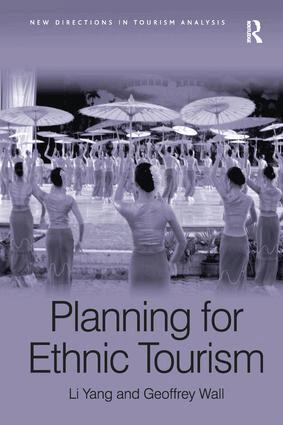
    Planning for Ethnic Tourism

    AvLi Yang,Geoffrey Wall

    Häftad, Engelska, 2016

    Del i serien New Directions in Tourism Analysis

    817 kr

    Beställningsvara. Skickas inom 10-15 vardagar. Fri frakt över 249 kr.

    Fler format och utgåvor

    Inbunden

    2 633 kr

    Beskrivning

    Ethnic tourism has emerged as a means that is employed by many countries to facilitate economic and cultural development and to assist in the preservation of ethnic heritage. However, while ethnic tourism has the potential to bring economic and social benefits it can also significantly impact traditional cultures, ways of life and the sense of identity of ethnic groups. There is growing concern in many places about how to balance the use of ethnicity as a tourist attraction with the protection of minority cultures and the promotion of ethnic pride. Despite the fact that a substantial literature is devoted to the impacts of ethnic tourism, little research has been done on how to plan ethnic tourism attractions or to manage community impacts of tourism. This book addresses the need for more research on planning for ethnic tourism by exploring the status and enhancement of planning strategies for ethnic tourism development. The book develops the case of a well-known ethnic tourist destination in China -Xishuangbanna, Yunnan. It analyzes how ethnic tourism has been planned and developed at the study site and examines associated socio-cultural and planning issues. The authors evaluate the perspectives of four key stakeholder groups (the government, tourism entrepreneurs, ethnic minorities and tourists) on ethnic tourism through on-site observation, interviews with government officials, planners and tourism entrepreneurs, surveys of tourists and ethnic minority people, and evaluation of government policies, plans and statistics. This book is unique in its emphasis on planning and in its focus on China, rapidly emerging as a major player in tourism, with applications for tourism around the world.

    Produktinformation

    • Utgivningsdatum:2016-09-09
    • Mått:156 x 234 x 17 mm
    • Vikt:453 g
    • Format:Häftad
    • Språk:Engelska
    • Serie:New Directions in Tourism Analysis
    • Antal sidor:312
    • Förlag:Taylor & Francis Ltd
    • ISBN:9781138270572

    Utforska kategorier

    • Servicesektorn inom Ekonomi och Ledarskap
    • Regional planering inom Naturvetenskap och teknik
    • Geografi inom Naturvetenskap och teknik

    Mer om författaren

    Li Yang is Associate Professor, Western Michigan University, USA and Geoffrey Wall is Professor, University of Waterloo, Canada.

    Recensioner i media

    ’Planning for Ethnic Tourism is among the best and most comprehensive studies of the development of minority ethnic tourism in China to date. Li Yang and Geoff Wall, drawing on their widespread experience, provide deep insights into tourism planning in China, offering lessons for developing regions around the world.’ Alan A. Lew, Northern Arizona University, USA ’Ethnic tourism is part of the tourism strategy in many nations, especially in China. The benefits cited usually are economic, with lip service given to protecting minorities. Using the case of Xishuangbanna, China, Yang and Wall document the need for more informed planning and policies to provide more sensitive and equitable tourism development.’ Stephen Smith, University of Waterloo, Canada ’This erudite work is long overdue in tourism studies! Yang and Wall’s indispensable tome explains the multifarious dynamics of planning in a unique and sensitive heritage tourism setting of increasing global importance. Their cutting-edge and meticulous treatment of stakeholders, issues and resolutions in the realm of ethnic tourism is illuminating and propels our awareness and understanding to new heights.’ Dallen J. Timothy, Arizona State University, USA 'The authors appeal to planners, investors, and government officers to pay greater attention to planning issues in ethnic destinations, using their research findings related to these dilemmas. ... Planning for Ethnic Tourism is the fruit of mixed geographic experiences and cultural backgrounds.' Annals of Tourism Research

    Innehållsförteckning

    • 1: Introduction; 2: Theoretical Context; 3: Study Area; 4: Governments; 5: Tourists; 6: Tourism Entrepreneurs; 7: Ethnic Minorities; 8: Comparisons of Different Stakeholders; 9: Tourism Planning; 10: Discussion and Conclusions