• Fri frakt över 249 kr
  • •
  • Snabba leveranser
  • •
  • Billiga böcker
Kundservice

Du är på sajten för privatpersoner.

Företag, bibliotek eller offentlig verksamhet?

Du handlar på classic.bokus.com, där alla dina funktioner finns intakta.
Till classic.bokus.com
Bokus logotyp. Gå till startsidan.
  • Erbjudanden
  • Nyheter
  • Student
  • Topplistor
  • Barn & ungdom
  • Bokus Play
  • E-böcker
  • Pocketböcker
  • Spel & pussel

10% rabatt på allt med kod NYSTART10 →

Sidfot

Mina sidor

    Hjälp

    • Kundservice
    • Vanliga frågor och svar
    • Frakt och leverans
    • Retur vid ångerrätt
    • Reklamera vara
    • Betalning
    • Köpvillkor
    • Allmänna villkor
    • Information om webbplatsens tillgänglighet

    Om Bokus

    • Om oss
    • Pressrum
    • För studenter
    • För företag
    • För bibliotek och offentlig verksamhet
    • För leverantörer
    • Hållbarhet

    Populärt

    • Aktuella erbjudanden
    • Presentkort
    • Studentlitteratur
    • Nya böcker
    • Topplistor
    • Signerade böcker
    • Engelska böcker

    Inspiration

    • Boktips
    • BookTok
    • Populära bokserier
    • Barnbokskaraktärer
    • Populära författare
    Logotyp för Bokus
    Följ oss på Facebook (extern länk)Följ oss på Instagram (extern länk)Följ oss på YouTube (extern länk)Följ oss på TikTok (extern länk)
    bokus @ CookiesAnpassa cookiesIntegritetspolicyKöpvillkor
    Till Citymail hemsida (extern länk)Till Budbee hemsida (extern länk)Till Postnord hemsida (extern länk)Till Schenker hemsida (extern länk)Till Early Bird hemsida (extern länk)Till Walleys hemsida (extern länk)
    1. Historia och arkeologi
    2. Historia
    3. Historia: särskilda händelser och ämnen
    4. Kalla krig och ombudskrig

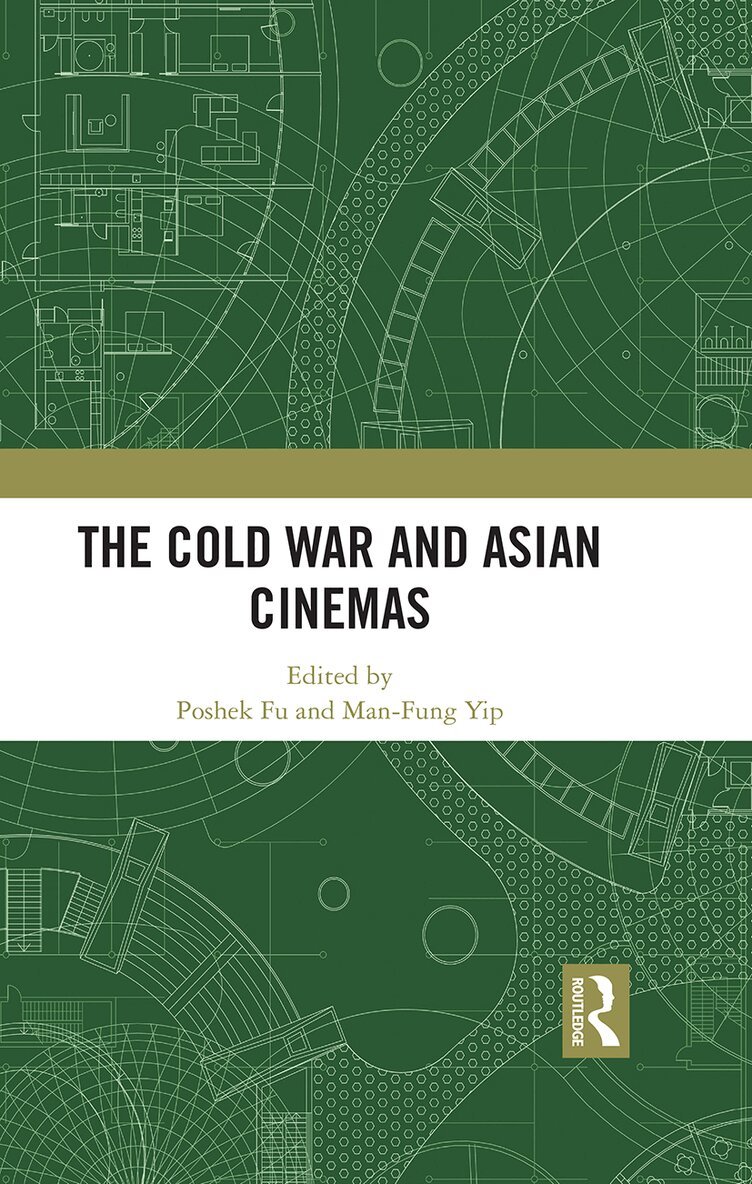
    Cold War and Asian Cinemas

    AvPoshek Fu,Man-Fung Yip

    Inbunden, Engelska, 2019

    2 495 kr

    Beställningsvara. Skickas inom 10-15 vardagar. Fri frakt över 249 kr.

    Beskrivning

    This book offers an interdisciplinary, historically grounded study of Asian cinemas’ complex responses to the Cold War conflict. It situates the global ideological rivalry within regional and local political, social, and cultural processes, while offering a transnational and cross-regional focus.This volume makes a major contribution to constructing a cultural and popular cinema history of the global Cold War. Its geographical focus is set on East Asia, Southeast Asia, and South Asia. In adopting such an inclusive approach, it draws attention to the different manifestations and meanings of the connections between the Cold War and cinema across Asian borders. Many essays in the volume have a transnational and cross-regional focus, one that sheds light on Cold War-influenced networks (such as the circulation of socialist films across communist countries) and on the efforts of American agencies (such as the United States Information Service and the Asia Foundation) to establish a transregional infrastructure of "free cinema" to contain the communist influences in Asia. With its interdisciplinary orientation and broad geographical focus, the book will appeal to scholars and students from a wide variety of fields, including film studies, history (especially the burgeoning field of cultural Cold War studies), Asian studies, and US-Asian cultural relations.

    Produktinformation

    • Utgivningsdatum:2019-12-05
    • Mått:152 x 229 x 22 mm
    • Vikt:589 g
    • Format:Inbunden
    • Språk:Engelska
    • Antal sidor:328
    • Förlag:Taylor & Francis Ltd
    • ISBN:9781138353817

    Utforska kategorier

    • Kalla krig och ombudskrig inom Historia och arkeologi
    • Politisk aktivism inom Samhälle och politik
    • Film inom Kultur

    Mer om författaren

    Poshek Fu is Professor of History at the University of Illinois at Urbana-Champaign. His research focuses on film history, Cold War cultures, and U.S.-China relations. He is the author of Between Shanghai and Hong Kong: The Politics of Chinese Cinemas (Stanford University Press, 1993) and Passivity, Resistance, and Collaboration: Intellectual Choices in Occupied Shanghai (Stanford University Press, 1993). He is also the editor of China Forever: The Shaw Brothers and Diasporic Cinema (University of Illinois Press, 2008), and co-editor of The Cinema of Hong Kong: History, Arts, Identity (Cambridge University Press, 2002).Man-Fung Yip is Associate Professor of Film and Media Studies at the University of Oklahoma. He is the author of Martial Arts Cinema and Hong Kong Modernity: Aesthetics, Representation, Circulation (Hong Kong University Press, 2017) and co-editor of American and Chinese-Language Cinemas: Examining Cultural Flows (Routledge, 2015). His work has also appeared in Cinema Journal, Chinese Literature Today, and numerous edited volumes.

    Innehållsförteckning

    • ; Introduction; ; Part I: Transnational Connections ; ; Art in Propaganda: The Poetics and Politics of Vietnamese Revolutionary Cinema; ; Incomplete Pictures: Mediated Immediacy in the South Korean Newsreel, The Frontline in Vietnam ; ; Gained in Translation: The Reception of Foreign Films in Cold War China; ; Contested Chineseness and Third Sister Liu in Singapore and Hong Kong: Folk Songs, Landscape, and Cold War Politics in Asia ; ; Part II: Global Conflicts, Local Formations ; ; Educational Films in Postwar Japan: Traces of American Cultural Policies in the Cold War Period; The Cold War as Media Environment in 1960s Japanese Cinema; ; Vehicles of Modernity: Gender, Mobility and Music in Evan Yang’s MP&GI films; ; Socks and Revolution: The Politics of Consumption in Sentinels under the Neon Lights (1964); ; Archive Revisionisms: Reevaluating South Korea’s State Film Censorship of the Cold War Era; Indian Cinema, Indian Democracy: An Unusual Cold War Saga, 1947-1989; ; Part III: Struggle for Hearts and Minds; ; Tropical Cold War Horror: Penumpasan Pengkhianatan G30S/PKI and the Traumatized Culture of Suharto’s New Order; ; Entertainment and Propaganda: Hong Kong Cinema, 1946-1959; ; The End of an Era: The Cultural Revolution, Modernization, and the Demise of Hong Kong Leftist Cinema; ; Who Views Whom through Whose Lenses? The Gazes in USIS Film Propaganda in South Korea; ;