• Fri frakt över 249 kr
  • •
  • Snabba leveranser
  • •
  • Billiga böcker
Kundservice

Du är på sajten för privatpersoner.

Företag, bibliotek eller offentlig verksamhet?

Du handlar på classic.bokus.com, där alla dina funktioner finns intakta.
Till classic.bokus.com
Bokus logotyp. Gå till startsidan.
  • Erbjudanden
  • Nyheter
  • Student
  • Topplistor
  • Barn & ungdom
  • Bokus Play
  • E-böcker
  • Pocketböcker
  • Spel & pussel

10% rabatt på allt med kod: NYSTART10 →

Sidfot

Mina sidor

    Hjälp

    • Kundservice
    • Vanliga frågor och svar
    • Frakt och leverans
    • Retur vid ångerrätt
    • Reklamera vara
    • Betalning
    • Köpvillkor
    • Allmänna villkor
    • Information om webbplatsens tillgänglighet

    Om Bokus

    • Om oss
    • Pressrum
    • För studenter
    • För företag
    • För bibliotek och offentlig verksamhet
    • För leverantörer
    • Hållbarhet

    Populärt

    • Aktuella erbjudanden
    • Presentkort
    • Studentlitteratur
    • Nya böcker
    • Topplistor
    • Signerade böcker
    • Engelska böcker

    Inspiration

    • Boktips
    • BookTok
    • Populära bokserier
    • Barnbokskaraktärer
    • Populära författare
    Logotyp för Bokus
    Följ oss på Facebook (extern länk)Följ oss på Instagram (extern länk)Följ oss på YouTube (extern länk)Följ oss på TikTok (extern länk)
    bokus @ CookiesAnpassa cookiesIntegritetspolicyKöpvillkor
    Till Citymail hemsida (extern länk)Till Budbee hemsida (extern länk)Till Postnord hemsida (extern länk)Till Schenker hemsida (extern länk)Till Early Bird hemsida (extern länk)Till Walleys hemsida (extern länk)
    1. Samhälle och politik
    2. Samhälle och kultur
    3. Kultur och medier
    4. Medievetenskap

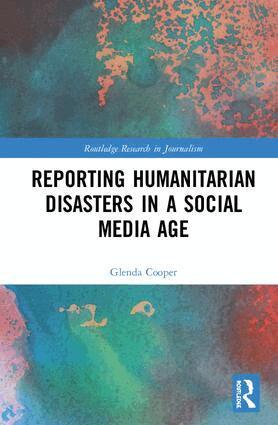
    Reporting Humanitarian Disasters in a Social Media Age

    AvGlenda Cooper

    Inbunden, Engelska, 2018

    Del i serien Routledge Research in Journalism

    2 421 kr

    Beställningsvara. Skickas inom 10-15 vardagar. Fri frakt över 249 kr.

    Fler format och utgåvor

    Häftad

    667 kr

    E-bok

    790 kr

    E-bok

    788 kr

    Beskrivning

    From the tsunami to Hurricane Sandy, the Nepal earthquake to Syrian refugees—defining images and accounts of humanitarian crises are now often created, not by journalists but by ordinary citizens using Twitter, Facebook, YouTube, Instagram and Snapchat. But how has the use of this content—and the way it is spread by social media—altered the rituals around disaster reporting, the close, if not symbiotic, relationship between journalists and aid agencies, and the kind of crises that are covered? Drawing on more than 100 in-depth interviews with journalists and aid agency press officers, participant observations at the Guardian, BBC and Save the Children UK, as well as the ordinary people who created the words and pictures that framed these disasters, this book reveals how humanitarian disasters are covered in the 21st century – and the potential consequences for those who posted a tweet, a video or photo, without ever realising how far it would go.

    Produktinformation

    • Utgivningsdatum:2018-10-22
    • Mått:152 x 229 x 24 mm
    • Vikt:494 g
    • Format:Inbunden
    • Språk:Engelska
    • Serie:Routledge Research in Journalism
    • Antal sidor:252
    • Förlag:Taylor & Francis Ltd
    • ISBN:9781138483576

    Utforska kategorier

    • Medievetenskap inom Samhälle och politik
    • Sociologi inom Samhälle och politik

    Mer om författaren

    Dr Glenda Cooper is a lecturer in journalism at City, University of London. Her research centres on humanitarian disasters, the relationship between aid agencies and journalists and the ethical issues surrounding use of user-generated content. She is the co-editor of Humanitarianism, Communications and Change (Peter Lang, 2015), and editor of The Future of Humanitarian Reporting (City University, 2014). Before that, she was the Guardian Research Fellow at Nuffield College, Oxford and a staff journalist at the BBC, Independent, Daily Mail, Washington Post, Sunday Times and the Daily Telegraph.

    Recensioner i media

    'What is often been theorized upon and dealt with in highly hypothetical ways, has finally met its empirical match. Drawing on an impressive amount of interviews with journalists, aid agency press officers but especially with ordinary citizens posting on social media, Dr. Glenda Cooper offers an insightful and detailed inquiry into the role of UGC and forms of citizen journalism in reporting on international humanitarian disasters. The book asks compelling and topical questions about privacy, ethics and journalistic practices in this new digital age of social media.' -Stijn Joye, Ghent University, Belgium

    Innehållsförteckning

    • 1. Introduction: Telling the Stories of Disasters in a Rapidly Changing World 2. Distant Suffering in a Digital World: background to the changing nature of disaster reporting 3. ‘The odd mucky weekend – not a one night stand’. How journalists and aid agencies work together in disasters 4. ‘The First Draft of History’ or ‘Smoke and Mirrors’? How journalists and aid agencies see UGC 5. Twitter takeovers and Following the Sun: How aid agencies now use UGC 6. Cloning and Co-opting: Journalists and control of UGC 7. ‘Tweeting the Quake’ How ordinary citizens tell their stories 8. Ethical Questions Going Forward: Privacy, Permission, Payment 9. Conclusion: Final Reflections