• Fri frakt över 249 kr
  • •
  • Snabba leveranser
  • •
  • Billiga böcker
Kundservice

Du är på sajten för privatpersoner.

Företag, bibliotek eller offentlig verksamhet?

Du handlar på classic.bokus.com, där alla dina funktioner finns intakta.
Till classic.bokus.com
Bokus logotyp. Gå till startsidan.
  • Erbjudanden
  • Nyheter
  • Student
  • Topplistor
  • Barn & ungdom
  • Bokus Play
  • E-böcker
  • Pocketböcker
  • Spel & pussel

10% rabatt på allt med kod: NYSTART10 →

Sidfot

Mina sidor

    Hjälp

    • Kundservice
    • Vanliga frågor och svar
    • Frakt och leverans
    • Retur vid ångerrätt
    • Reklamera vara
    • Betalning
    • Köpvillkor
    • Allmänna villkor
    • Information om webbplatsens tillgänglighet

    Om Bokus

    • Om oss
    • Pressrum
    • För studenter
    • För företag
    • För bibliotek och offentlig verksamhet
    • För leverantörer
    • Hållbarhet

    Populärt

    • Aktuella erbjudanden
    • Presentkort
    • Studentlitteratur
    • Nya böcker
    • Topplistor
    • Signerade böcker
    • Engelska böcker

    Inspiration

    • Boktips
    • BookTok
    • Populära bokserier
    • Barnbokskaraktärer
    • Populära författare
    Logotyp för Bokus
    Följ oss på Facebook (extern länk)Följ oss på Instagram (extern länk)Följ oss på YouTube (extern länk)Följ oss på TikTok (extern länk)
    bokus @ CookiesAnpassa cookiesIntegritetspolicyKöpvillkor
    Till Citymail hemsida (extern länk)Till Budbee hemsida (extern länk)Till Postnord hemsida (extern länk)Till Schenker hemsida (extern länk)Till Early Bird hemsida (extern länk)Till Walleys hemsida (extern länk)
    1. Psykologi och pedagogik
    2. Pedagogik

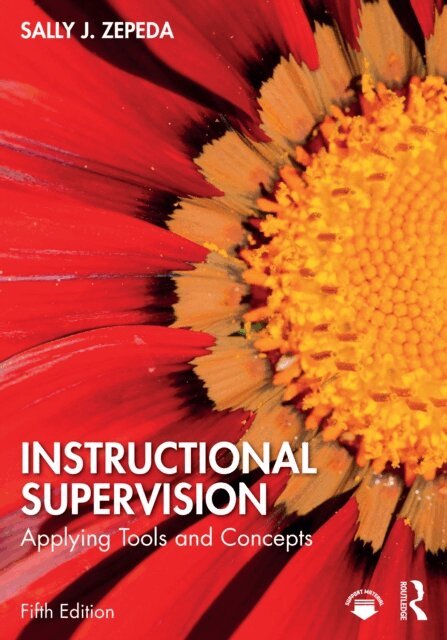
    Instructional Supervision

    Applying Tools and Concepts

    AvSally J. Zepeda

    Häftad, Engelska, 2016

    1 363 kr

    Tillfälligt slut

    Fler format och utgåvor

    Häftad

    1 003 kr

    Inbunden

    2 123 kr

    E-bok

    1 190 kr

    E-bok

    1 190 kr

    Inbunden

    Tillf. slut

    Beskrivning

    This essential text for prospective school leaders enrolled in instructional supervision and evaluation courses provides the knowledge and practical tools to improve teacher effectiveness. Melding theory and practice, this book is a definitive guide to successful classroom observations, pre- and post-observation conferences, and approaches such as action research, peer coaching, and mentoring. The fourth edition of this text has been thoroughly updated to meet the needs of school leaders in today’s educational climate. Features new to this edition include:Additional and updated tools to support school leaders in conducting effective classroom observations and assessing teachers’ professional learning needsNew case studies, suggested fieldwork, and extended reflections to outline practical applications for the strategies discussedSuggested readings to supplement the information included in this bookExpanded discussions of professional learning communities and the topic of motivationNew chapters on teacher evaluation and instructional strategies that support personalization and learning technologiesThis book offers strategies to work with teachers at all stages in their careers, laying a strong foundation for effective instructional supervision in PreK-12 schools. Many of the templates and tools in this book are also available as free eResource downloads from our website (www.routledge.com/9781138649347).

    Produktinformation

    • Utgivningsdatum:2016-09-01
    • Mått:178 x 254 x undefined mm
    • Vikt:657 g
    • Format:Häftad
    • Språk:Engelska
    • Antal sidor:360
    • Upplaga:4
    • Förlag:Taylor & Francis Ltd
    • ISBN:9781138649347

    Utforska kategorier

    • Pedagogik inom Psykologi och pedagogik
    • Utbildningsstrategier och utbildningspolitik inom Psykologi och pedagogik
    • Lärarutbildning inom Psykologi och pedagogik

    Mer om författaren

    Sally J. Zepeda is Professor of Educational Administration and Policy at the University of Georgia, USA.

    Recensioner i media

    This 4th edition provides a masterful blending of time-tested supervisory tools with the latest trends in evaluation including value-adding measures, the influence of current legislation such as the Every Student Succeeds Act, and the continuing impact of technology in learning and teacher evaluation. Dr. Zepeda has provided a valuable resource from both a theoretical and practical perspective.- R. Stewart Mayers, Professor of Educational Instruction and Leadership, Southeastern Oklahoma State University"I consider this text the quintessential resource in developing aspiring school leader’s knowledge and skills as they work to improve teacher practice. This 4th edition is additive in its organization of chapters and of current issues surrounding teacher evaluation, teacher learning communities, and effective teaching." - Dana Bickmore, Associate Professor, School of Environmental and Public Affairs, University of Nevada, Las Vegas"The new edition of this popular supervision text is focused on bringing much-needed coherence to the field. Dr. Zepeda presents a unified vision for supervision, professional development, and teacher evaluation centered on teacher growth and development."- Stephen P. Gordon, Professor of Education and Community Leadership, Texas State University

    Innehållsförteckning

    • Supplemental Downloads About the Author Acknowledgments Introduction1 Leadership Needed to Promote Supervision, Professional Development, and TeacherEvaluation That Makes a DifferenceIntroduction Supervision, Professional Development, and Teacher Evaluation Are Not Linear, LockstepProcesses Leadership Beliefs and Practices to Unify Processes Coherence Needed for Instructional Supervision, Professional Development, and TeacherEvaluationAccountability and High Stakes Challenges for SupervisorsTool 1: Developing a Unified Vision for Supervision, Professional Development, and Teacher EvaluationSummary Suggested ActivitiesReferences2 Instructional Supervision Introducing Instructional Supervision The Intents of Instructional SupervisionDifferentiated SupervisionDevelopmental SupervisionStyles That Support Differentiated and Developmental Supervision Summary Suggested Activities References 3 Teacher EvaluationIntroducing Teacher Evaluation The Intents and Purposes of Teacher EvaluationFormative and Summative EvaluationFederal and State Influences on Teacher EvaluationTeacher Evaluation SystemsValue-Added MeasuresSummary Suggested Activities References 4 Job-Embedded Professional DevelopmentIntroducing Job-Embedded Professional DevelopmentStatus of Professional Development Standards for Professional DevelopmentLearning Communities—More than a Reform Strategy Tool 2: Job-Embedded Learning: Finding Time for Professional DevelopmentTool 3: Planning for Professional DevelopmentTool 4: Identifying Professional Development NeedsMaking the Connection Between Instructional Supervision, Professional Development, and Job-Embedded LearningSummary Suggested Activities References 5 Instruction and Learning Environments Introducing Instruction and Learning EnvironmentsTeacher Quality and Teacher EffectivenessEffective TeachersAccountability and Standards Effective Instructional PracticesInside Teacher Evaluation FrameworksObservable PracticesTool 5: Contextualizing Teaching and Learning—Getting to Observable PracticesPersonalized Learning Environments and Learning TechnologiesSummary Suggested Activities References 6 Career Stages, Adult Learning, and SupervisionIntroducing Career Stages, Adult Learning, and SupervisionTool 6: Career StagesTool 7: Goal Setting, Tracking Faculty Goals, and Goal AttributesAdult LearningSupervision That Embraces the Adult Learner across Career StagesSummary Suggested Activities References 7 Motivation and Supervisory LeadershipIntroducing Motivation and Supervisory Leadership Motivation DefinedMotivation TheoriesLeadership and MotivationImplications for SupervisorsSummary Suggested ActivitiesReferences 8 Informal and Formal Classroom ObservationsIntroducing Informal and Formal Classroom Observations Group Classroom ObservationsTool 8: Informal Classroom ObservationsTool 9: Guidelines for Informal Classroom ObservationsFormal Classroom ObservationsThe Clinical Supervision Model and Its ComponentsSummary Suggested Activities References 9 The Pre-observation ConferenceIntroducing the Pre-observation Conference Tool 10: Attributes of the Pre-observation ConferenceFocus and the Pre-observation ConferenceThe Johari Window and the Pre-observation ConferenceHow to Prepare for the Classroom ObservationSummary Suggested Activities References 10 The Classroom Observation Introducing the Classroom Observation The Intents of Data CollectionTool 11: Types of DataTool 12: Wide-Angle and Narrow-Angle Data Collection TechniquesTips from the FieldOverview and Application of Observation Tools and MethodsTool 13: Observation Guide Using Bloom’s TaxonomyTool 14: Focus on Wait TimeTool 15: Focus on Cause-and-Effect DataTool 16: Focus on Variety of Instructional MethodsTool 17: Examining Teacher–Student Discussion with a Focus on How Student Comments Are Incorporated into the LessonTool 18: Selective Verbatim: Teacher’s Verbal and Students’ Physical and Verbal BehaviorsTool 19: Wide Angle: No FocusTool 20: Focus on Calling Patterns and Patterns of InteractionTool 21: Focus on Tracking Transition PatternsTool 22: Tracking the Beginning and Ending (Closure) of ClassTool 23: Observing Cooperative Group LearningTool 24: Classroom TrafficSummary Suggested Activities References 11 The Post-observation Conference Introducing the Post-observation Conference The Purposes of the Post-observation ConferenceLesson Reconstruction, Constructivism, and the Zone of Proximal DevelopmentPreparing for the Post-observation ConferenceSupervisory Approaches and the Post-observation ConferenceTool 25: Feedback, Trust, and the Johari Window RevisitedAfter the Post-Observation Conference, Then What?Tool 26: Planning for Professional GrowthSummary Suggested Activities References 12 Mentoring and Induction Introducing Mentoring and Induction The Multifaceted and Complex Nature of Mentoring Examining Qualities, Skills, and Functions of Mentors Selecting, Training, and Assigning Mentors Induction: Where Mentoring Matters Most Formative Assistance: The Linkage to Supervision Summary Suggested Activities References 13 Peer CoachingIntroducing Peer Coaching Frame Peer CoachingPhases of the Original Peer Coaching ModelTypes of CoachingPeer Coaching Includes Classroom ObservationsConditions for Successful Peer CoachingConnecting Peer Coaching to Other Forms of SupervisionSummary Suggested Activities References 14 Action Research Introducing Action Research Action Research DefinedModels of Action ResearchThe Processes and Components of Action ResearchReflectionConnecting Action Research to Instructional Supervision SummarySuggested Activities References 15 Portfolio SupervisionIntroducing Portfolio SupervisionWhat is a Portfolio?Extending Clinical Supervision through Portfolio DevelopmentA Model of Portfolio SupervisionEssential Skills: Reflection, Goal Setting, and Decision MakingThe Portfolio as a Framework to Extend SupervisionSummarySuggested Activities References 16 Confronting Marginal TeachingIntroducing Confronting Marginal TeachingMarginal TeachingMarkers of Marginal Teacher PerformanceUnderstanding the Difficulties Supervisors Encounter While Working with Marginal TeachersConfronting Marginal Teaching PracticesWorking with Marginal TeachersTool 27: Formal Plan of RemediationWhen All Else FailsSummarySuggested Activities References17 Coda for Instructional Supervision References Appendix: Classroom Observation Tools Index