• Fri frakt över 249 kr
  • •
  • Snabba leveranser
  • •
  • Billiga böcker
Kundservice

Du är på sajten för privatpersoner.

Företag, bibliotek eller offentlig verksamhet?

Du handlar på classic.bokus.com, där alla dina funktioner finns intakta.
Till classic.bokus.com
Bokus logotyp. Gå till startsidan.
  • Erbjudanden
  • Nyheter
  • Student
  • Topplistor
  • Barn & ungdom
  • Bokus Play
  • E-böcker
  • Pocketböcker
  • Spel & pussel

10% rabatt på allt med kod NYSTART10 →

Sidfot

Mina sidor

    Hjälp

    • Kundservice
    • Vanliga frågor och svar
    • Frakt och leverans
    • Retur vid ångerrätt
    • Reklamera vara
    • Betalning
    • Köpvillkor
    • Allmänna villkor
    • Information om webbplatsens tillgänglighet

    Om Bokus

    • Om oss
    • Pressrum
    • För studenter
    • För företag
    • För bibliotek och offentlig verksamhet
    • För leverantörer
    • Hållbarhet

    Populärt

    • Aktuella erbjudanden
    • Presentkort
    • Studentlitteratur
    • Nya böcker
    • Topplistor
    • Signerade böcker
    • Engelska böcker

    Inspiration

    • Boktips
    • BookTok
    • Populära bokserier
    • Barnbokskaraktärer
    • Populära författare
    Logotyp för Bokus
    Följ oss på Facebook (extern länk)Följ oss på Instagram (extern länk)Följ oss på YouTube (extern länk)Följ oss på TikTok (extern länk)
    bokus @ CookiesAnpassa cookiesIntegritetspolicyKöpvillkor
    Till Citymail hemsida (extern länk)Till Budbee hemsida (extern länk)Till Postnord hemsida (extern länk)Till Schenker hemsida (extern länk)Till Early Bird hemsida (extern länk)Till Walleys hemsida (extern länk)
    1. Historia och arkeologi
    2. Historia
    3. Afrikas historia

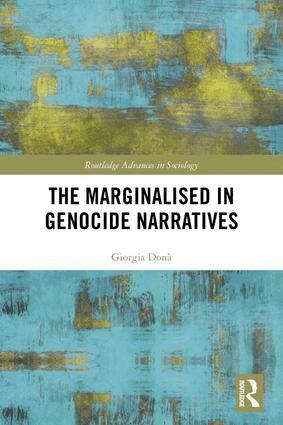
    Marginalised in Genocide Narratives

    AvGiorgia Donà

    Inbunden, Engelska, 2019

    Del i serien Routledge Advances in Sociology

    2 495 kr

    Beställningsvara. Skickas inom 10-15 vardagar. Fri frakt över 249 kr.

    Fler format och utgåvor

    Häftad

    716 kr

    E-bok

    846 kr

    E-bok

    846 kr

    Beskrivning

    This year marks the twenty-fifth anniversary of the Rwanda genocide. This volume, the product of over 20years of engagement with Rwanda and its diaspora, offers a timely reminder of the necessity of rethinking the genocide’s social history.Examining a range of marginal stories and using Rwanda as a case study, The Marginalised in Genocide Narratives’ analysis of the transformation of genocide into a powerful narrative of a nation establishes an innovative means of understanding the lived spaces of violence and its enduring legacy. In a distinctive approach to the social history of genocide, this book engages with the marginalised; foregrounds genocide’s untold stories; and uses the conceptual framework of the constellation of genocide narratives to create connections among multiple social actors and identify narrative themes that address the unequal power and interdependence of narratives. Adopting a multi-level narrative methodology that addresses the value of multiple narrative framings for understanding genocides, The Marginalised in Genocide Narratives will appeal to students and researchers interested in sociology, conflict and peace studies, history, African studies and narrative research. It may also appeal to policy-makers interested in genocide studies and contemporary social history.

    Produktinformation

    • Utgivningsdatum:2019-06-13
    • Mått:156 x 234 x 15 mm
    • Vikt:408 g
    • Format:Inbunden
    • Språk:Engelska
    • Serie:Routledge Advances in Sociology
    • Antal sidor:172
    • Förlag:Taylor & Francis Ltd
    • ISBN:9781138839908

    Utforska kategorier

    • Afrikas historia inom Historia och arkeologi
    • Socialhistoria och kulturhistoria inom Historia och arkeologi
    • Folkmord och etnisk rensning inom Historia och arkeologi

    Mer om författaren

    Giorgia Donà is Co-director of the Centre for Migration, Refugees and Belonging at the University of East London, UK.

    Innehållsförteckning

    • LIST OF FIGURESACKNOWLEDGEMENTSLIST OF ABBREVIATIONSChapter 1 Introduction: narrating genocide and the genocide narrative IntroductionNarrating genocides: victims, perpetrators and the marginalised othersThe formation of the genocide master–narrativeThe constellation of genocide narrativesThe Rwandan genocide and Rwanda StudiesSituating narratives methodologicallyConclusionChapter 2 The formation of the foundational genocide master-narrativeIntroductionThe formation of the master-narrative of the Genocide against the TutsiThe genocide as the foundational master-narrativeThe counter master-narrative of warThe marginalised voicesConclusionChapter 3 Reframing culpability, shame and guilt: non-perpetrator members of the perpetrator groupIntroductionNaming culpability, shame and guilt: non-perpetrator members of the perpetrator groupRevisiting moral culpability through ordinary moralityThe narrative of national unity and reconciliation: everyday relations and valuesConclusionChapter 4 Revisiting the figure of the heroic rescuer: communal rescue, care and resistanceIntroductionNaming the public figure of the rescuer: individual, exceptional, heroicFrom exceptional heroes to communities of careThe communal rescue narrative: care and resistanceThe ambivalent legacy of rescuingRevisiting the figure of the heroic saviourConclusionChapter 5 Families of mixed ethnic backgrounds: the intimate burden of those caught in-between the politics of ethnic identityIntroductionThe erasure of the 'mixed' constituent in public narrativesRethinking the proxy categories of rescapé, génocidaire and orphelin du génocideCaught in-between: narrating the intimate burden of 'mixed' belongingThe narrative legacy of the genocideArticulating and reclaiming the 'mixed'ConclusionChapter 6 Marginalisation and survival of the other minority groupIntroductionNaming the outside onlooker: the TwaQuestioning the onlooker narrative: the insider and the struggle for survivalPost-genocide narratives: from autochthones to historically marginalisedDecentering the genocide narrative: national progress, vulnerability and material survivalConclusionChapter 7 Civilian returnees: intra-ethnic differences and continuities with the past and exileIntroductionThe Hamitic narrative: histories of mobility and belongingThe hegemony of the RPF-led national narrative and the diverse stories of the civilian returneesRevisiting the narrative of the 'new' Rwanda: continuities with the past and exileConclusionChapter 8 The revised constellation of genocide narratives and the untold social history of genocidesIntroductionThe marginalised voices in the revised constellation of genocide narrativesNarrative engagement: agency and dialogical strategiesRewriting the social history of the genocide that took place in RwandaExpanding and applying the constellation of genocide narrativesConclusionGlossaryReferences