• Fri frakt över 249 kr
  • •
  • Snabba leveranser
  • •
  • Billiga böcker
Kundservice

Du är på sajten för privatpersoner.

Företag, bibliotek eller offentlig verksamhet?

Du handlar på classic.bokus.com, där alla dina funktioner finns intakta.
Till classic.bokus.com
Bokus logotyp. Gå till startsidan.
  • Erbjudanden
  • Nyheter
  • Student
  • Topplistor
  • Barn & ungdom
  • Bokus Play
  • E-böcker
  • Pocketböcker
  • Spel & pussel

Må bättre, för mindre! Upp till 50% rabatt på hälsoböcker

Sidfot

Mina sidor

    Hjälp

    • Kundservice
    • Vanliga frågor och svar
    • Frakt och leverans
    • Retur vid ångerrätt
    • Reklamera vara
    • Betalning
    • Köpvillkor
    • Allmänna villkor
    • Information om webbplatsens tillgänglighet

    Om Bokus

    • Om oss
    • Pressrum
    • För studenter
    • För företag
    • För bibliotek och offentlig verksamhet
    • För leverantörer
    • Hållbarhet

    Populärt

    • Aktuella erbjudanden
    • Presentkort
    • Studentlitteratur
    • Nya böcker
    • Topplistor
    • Signerade böcker
    • Engelska böcker

    Inspiration

    • Boktips
    • BookTok
    • Populära bokserier
    • Barnbokskaraktärer
    • Populära författare
    Logotyp för Bokus
    Följ oss på Facebook (extern länk)Följ oss på Instagram (extern länk)Följ oss på YouTube (extern länk)Följ oss på TikTok (extern länk)
    bokus @ CookiesAnpassa cookiesIntegritetspolicyKöpvillkor
    Till Citymail hemsida (extern länk)Till Budbee hemsida (extern länk)Till Postnord hemsida (extern länk)Till Schenker hemsida (extern länk)Till Early Bird hemsida (extern länk)Till Walleys hemsida (extern länk)
    1. Historia och arkeologi
    2. Historia
    3. Europas historia

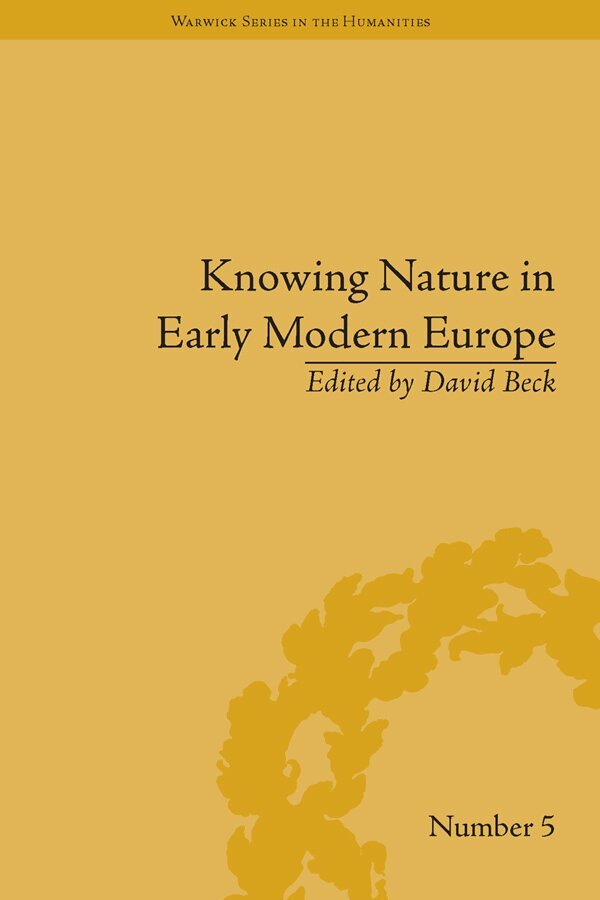
    Knowing Nature in Early Modern Europe

    AvDavid Beck

    E-bok
    Engelska, 2015

    Del i serien Warwick Series in the Humanities

    829 kr

    Läs direkt i Bokus Reader – eller ladda ned till din enhet

    Fler format och utgåvor

    Häftad

    705 kr

    E-bok

    829 kr

    Inbunden

    2 493 kr

    Beskrivning

    Today we are used to clear divisions between science and the arts. But early modern thinkers had no such distinctions, with ‘knowledge’ being a truly interdisciplinary pursuit. Each chapter of this collection presents a case study from a different area of knowledge.

    Produktinformation

    • Utgivningsdatum:2015-10-06
    • Språk:Engelska
    • Filformat:EPUB
    • Kopieringsskydd:LCP
    • ISBN:9781317317371
    • Förlag:Taylor & Francis Ltd
    • Serie:Warwick Series in the Humanities

    Utforska kategorier

    • Europas historia inom Historia och arkeologi
    • Naturvetenskapens historia inom Naturvetenskap och teknik

    Mer om författaren

    David Beck is an Academic Technologist and Lecturer in History at the University of Warwick, where his research interests lie in the intellectual culture of England through the seventeenth and eighteenth centuries. He is a member of Council of the British Society for the History of Science and co-founder of Scientiae, an academic society at the nexus of Renaissance/early-modern studies and history/philosophy of science.

    Recensioner i media

    "Knowing Nature in Modern Europe provides a series of intriguing insights into how nature was studied and interpreted in early modern Europe."--Thinking Like A Mountain- The Weird & Wonderful in the History of Science & the Environment

    Innehållsförteckning

    • Introduction - David Beck Part I: Unity and the Investigation of Nature 1 'Not a Hundred Sorts of Beasts, Not Two Hundred of Birds': Universal Language and the Early Modern End of the World - James Dougal Fleming 2 The Moral Physiology of Laughter - Stephen Pender 3 The Part and the Whole: Architectonics of Knowledge in Seventeenth-Century English Thought - Kevin Killeen Part II: God's Two Books 4 The Use of Scripture in the Beast Machine Controversy - Lloyd Strickland 5 Johann Jacob Zimmermann and God's Two Books: Copernican Cosmology in Lutheran Germany around 1700 - Mike A Zuber 6 The Cosmology of Martinus Szent-Ivany SJ (1633-1705): Some Philological Notes on His Dissertatio Cosmographica Seu de Mundi Systemate - Svorad Zavarsky Part III: Imagination and Reality: Time, Zoology and Memory 7 May Not Duration Be Represented as Distinctly as Space? Geography and the Visualization of Time in the Early Eighteenth Century - Stephen Boyd Davis 8 Early Modern Natural Science as an Agent for Change in Naturalist Painting: Jacopo Ligozzi's Zoological Illustrations as a Case Study - Angelica Groom 9 'Direct Ideas': The Quotidian Imagination in John Willis's 1618 Memory Theater - Adam Rzepka