• Fri frakt över 249 kr
  • •
  • Snabba leveranser
  • •
  • Billiga böcker
Kundservice

Du är på sajten för privatpersoner.

Företag, bibliotek eller offentlig verksamhet?

Du handlar på classic.bokus.com, där alla dina funktioner finns intakta.
Till classic.bokus.com
Bokus logotyp. Gå till startsidan.
  • Erbjudanden
  • Nyheter
  • Student
  • Topplistor
  • Barn & ungdom
  • Bokus Play
  • E-böcker
  • Pocketböcker
  • Spel & pussel

10% rabatt på allt med kod: NYSTART10 →

Sidfot

Mina sidor

    Hjälp

    • Kundservice
    • Vanliga frågor och svar
    • Frakt och leverans
    • Retur vid ångerrätt
    • Reklamera vara
    • Betalning
    • Köpvillkor
    • Allmänna villkor
    • Information om webbplatsens tillgänglighet

    Om Bokus

    • Om oss
    • Pressrum
    • För studenter
    • För företag
    • För bibliotek och offentlig verksamhet
    • För leverantörer
    • Hållbarhet

    Populärt

    • Aktuella erbjudanden
    • Presentkort
    • Studentlitteratur
    • Nya böcker
    • Topplistor
    • Signerade böcker
    • Engelska böcker

    Inspiration

    • Boktips
    • BookTok
    • Populära bokserier
    • Barnbokskaraktärer
    • Populära författare
    Logotyp för Bokus
    Följ oss på Facebook (extern länk)Följ oss på Instagram (extern länk)Följ oss på YouTube (extern länk)Följ oss på TikTok (extern länk)
    bokus @ CookiesAnpassa cookiesIntegritetspolicyKöpvillkor
    Till Citymail hemsida (extern länk)Till Budbee hemsida (extern länk)Till Postnord hemsida (extern länk)Till Schenker hemsida (extern länk)Till Early Bird hemsida (extern länk)Till Walleys hemsida (extern länk)
    1. Psykologi och pedagogik
    2. Pedagogik
    3. Pedagogisk teori och filosofi

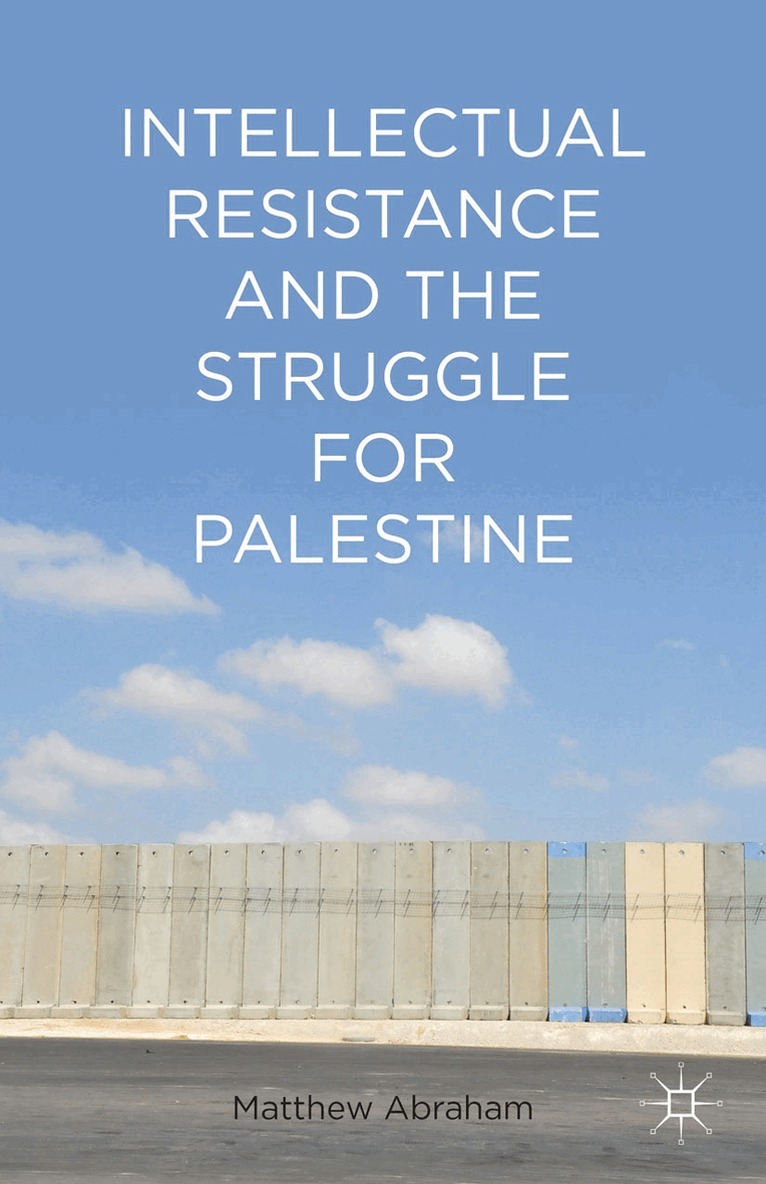
    Intellectual Resistance and the Struggle for Palestine

    AvM. Abraham

    Häftad, Engelska, 2014

    1 056 kr

    Beställningsvara. Skickas inom 10-15 vardagar. Fri frakt över 249 kr.

    Fler format och utgåvor

    Inbunden

    1 056 kr

    E-bok

    1 459 kr

    Beskrivning

    By positioning the late Edward Said's political interventions as a public intellectual on behalf of Palestinian populations living under Israeli occupation as a form of intellectual resistance, Abraham moves to consider forms of physical resistance, seeking to better understand the motivations of those who choose to turn their bodies into weapons.

    Produktinformation

    • Utgivningsdatum:2014-08-07
    • Mått:152 x 229 x 12 mm
    • Vikt:309 g
    • Format:Häftad
    • Språk:Engelska
    • Antal sidor:197
    • Upplaga:14001
    • Förlag:Palgrave Macmillan
    • ISBN:9781349440931

    Utforska kategorier

    • Pedagogisk teori och filosofi inom Psykologi och pedagogik
    • Pedagogik inom Psykologi och pedagogik
    • Utbildningsstrategier och utbildningspolitik inom Psykologi och pedagogik

    Mer om författaren

    Matthew Abraham is Associate Professor of English at the University of Arizona, USA. He is the co-editor of The Making of Barack Obama: The Politics of Persuasion (2013) and the special issue of Cultural Critique on 'Edward Said and After: Toward a New Humanism' (2007). Abraham was presented with the Rachel Corrie Courage in the Teaching of Writing Award in 2005 by The Special Interest Groups and Caucuses of the Conference on College Composition and Communication.

    Recensioner i media

    "Drawing on the magisterial writings of Edward Said and Frantz Fanon, Matthew Abraham has written a brilliant and balanced critique of academic Zionism and a robust defense of Palestinian resistence to Israeli ethnic cleansing." - James Petras, Bartle Professor Emeritus, Binghamton University, USA

    Innehållsförteckning

    • Introduction 1. From Resistance to Accommodation: The Origins of the Policy Intellectual's Alignment with the State 2. Edward Said and Intellectual Resistance: Refusing the Politics of Accommodation 3. Edward Said, the Question of Palestine, and the Continual Quest for Intellectual Freedom 4. Biopolitical Resistance in Palestine: Suicide Bombing and the Fanonian Specter 5. Obama's Cairo Speech: The Failure of Resistance and Refusal Conclusion