• Fri frakt över 249 kr
  • •
  • Snabba leveranser
  • •
  • Billiga böcker
Kundservice

Du är på sajten för privatpersoner.

Företag, bibliotek eller offentlig verksamhet?

Du handlar på classic.bokus.com, där alla dina funktioner finns intakta.
Till classic.bokus.com
Bokus logotyp. Gå till startsidan.
  • Erbjudanden
  • Student
  • Topplistor
  • Barn & ungdom
  • Bokus Play
  • Bokus Play
  • E-böcker
  • Ljudböcker
  • Pocketböcker
  • Spel & pussel

10% rabatt på allt med kod NYSTART10 →

Sidfot

Mina sidor

    Hjälp

    • Kundservice
    • Vanliga frågor och svar
    • Frakt och leverans
    • Retur vid ångerrätt
    • Reklamera vara
    • Betalning
    • Köpvillkor
    • Allmänna villkor
    • Information om webbplatsens tillgänglighet

    Om Bokus

    • Om oss
    • Pressrum
    • För studenter
    • För företag
    • För bibliotek och offentlig verksamhet
    • För leverantörer
    • Hållbarhet

    Populärt

    • Aktuella erbjudanden
    • Presentkort
    • Studentlitteratur
    • Nya böcker
    • Topplistor
    • Signerade böcker
    • Engelska böcker

    Inspiration

    • Boktips
    • BookTok
    • Populära bokserier
    • Barnbokskaraktärer
    • Populära författare
    Logotyp för Bokus
    Följ oss på Facebook (extern länk)Följ oss på Instagram (extern länk)Följ oss på YouTube (extern länk)Följ oss på TikTok (extern länk)
    bokus @ CookiesAnpassa cookiesIntegritetspolicyKöpvillkor
    Till Citymail hemsida (extern länk)Till Budbee hemsida (extern länk)Till Postnord hemsida (extern länk)Till Schenker hemsida (extern länk)Till Early Bird hemsida (extern länk)Till Walleys hemsida (extern länk)
    1. Kultur
    2. Designböcker
    3. Grafisk design

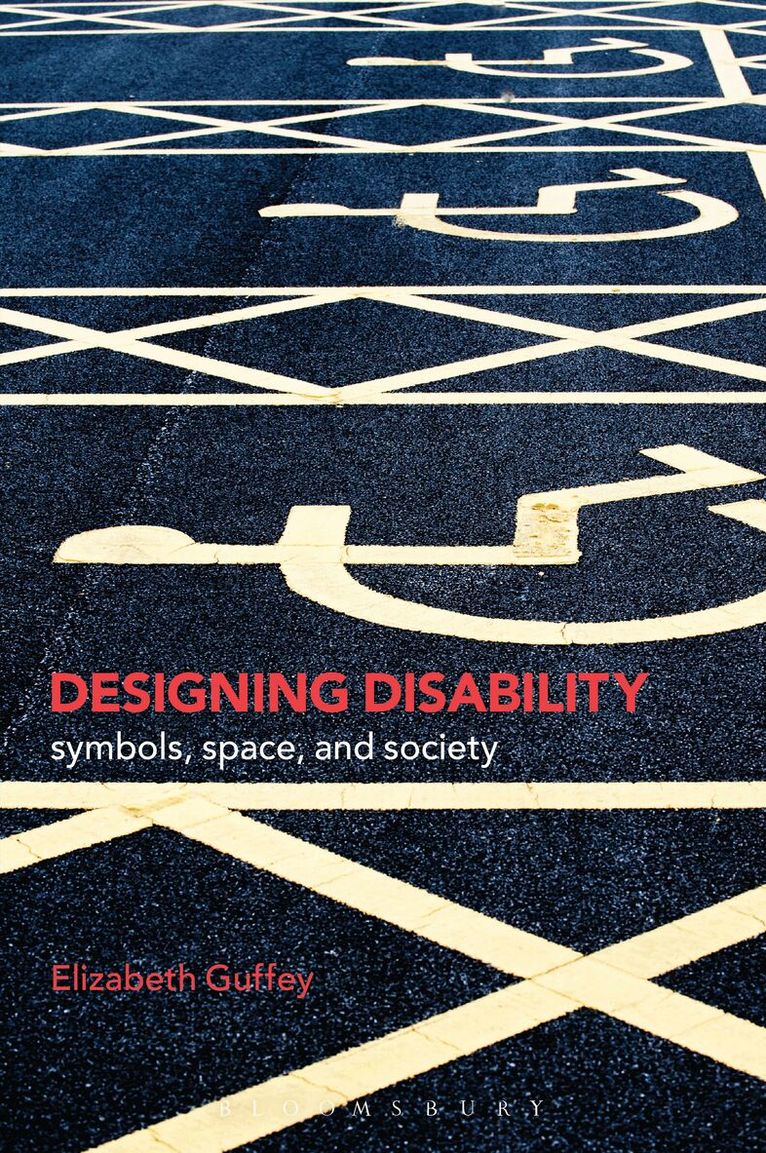
    Designing Disability

    Symbols, Space, and Society

    AvElizabeth Guffey

    Inbunden, Engelska, 2017

    1 363 kr

    Beställningsvara. Skickas inom 10-15 vardagar. Fri frakt över 249 kr.

    Fler format och utgåvor

    E-bok

    361 kr

    E-bok

    361 kr

    Häftad

    378 kr

    Beskrivning

    Designing Disability traces the emergence of an idea and an ideal – physical access for the disabled – through the evolution of the iconic International Symbol of Access (ISA). The book draws on design history, material culture and recent critical disability studies to examine not only the development of a design icon, but also the cultural history surrounding it.Infirmity and illness may be seen as part of human experience, but ‘disability’ is a social construct, a way of thinking about and responding to a natural human condition. Elizabeth Guffey’s highly original and wide-ranging study considers the period both before and after the introduction of the ISA, tracing the design history of the wheelchair, a product which revolutionised the mobility needs of many disabled people from the 1930s onwards. She also examines the rise of ‘barrier-free architecture’ in the reception of the ISA, and explores how the symbol became widely adopted and even a mark of identity for some, especially within the Disability Rights Movement. Yet despite the social progress which is inextricably linked to the ISA, a growing debate has unfurled around the symbol and its meanings. The most vigorous critiques today have involved guerrilla art, graffiti and studio practice, reflecting new challenges to the relationship between design and disability in the twenty-first century.

    Produktinformation

    • Utgivningsdatum:2017-12-28
    • Mått:162 x 236 x 20 mm
    • Vikt:520 g
    • Format:Inbunden
    • Språk:Engelska
    • Antal sidor:240
    • Förlag:Bloomsbury Publishing PLC
    • ISBN:9781350004283

    Utforska kategorier

    • Grafisk design inom Kultur
    • Konsthistoria inom Kultur
    • Designböcker inom Kultur

    Mer om författaren

    Elizabeth Guffey is Professor of Art and Design History and directs the MA in Modern and Contemporary Art, Criticism and Theory at the State University of New York, Purchase, USA. She was a founding editor of the journal Design and Culture, and is the author of books including Retro: The Culture of Revival (2013) and Posters: A Global History (2015).

    Recensioner i media

    Erudite, accessible, and with an impressive breadth of reference, this engaging and highly readable book offers fresh historical and cultural perspectives on the fit/misfit binary. Focussing on how design both creates and responds to different notions of disability, it gives an at times fascinating alternative history of activism and identity through the study of the ISA – the International Symbol of Access.

    Innehållsförteckning

    • AcknowledgmentsIllustrationsIntroduction: Disability By Design? Design’s MisfitDefining DisabilityDefining a SymbolPART ONE: History of an Idea: Access (- 1961) Origins of a Misfit Design: The Advent of the ModernWheelchair (- 1945)An Environmental MisfitA Symbol of Defeat?How to Behave in a Bath-ChairThe Chair That Changed the WorldFitting In (1945 - 1961)Accessing a Culture on Four WheelsThe Nugent EthicAn Attack on Barriers PART TWO: Redesigning Signs and Space (1961 - 1974)The Personal Politics of Signs (1961 - 1965)What a Good Sign Can DoDown the “Welfare Path”The Ideologies of “Self-Help” and “Social Welfare Cultures”Breaking BarriersSigns of Discrimination (1965 - 1968)The Secret Signs of Disabled PeoplePositive Discrimination and the Psychology of DisablementTowards s Universal SignA Design for the Real World? (1968 - 1974)A Technical AidMan and The EnvironmentA Misfit HeadA Positive Step ForwardPART THREE: A Mark of Identity? (1974 - Today) Signs of Protest (1974 - 1990)“The Selma of Handicapped Rights”Rights and ProtestPassing the ADA: Compliance and DefianceA Critical Design? (1990 - Today)A Cry for HelpA 21st Century MakeoverEpilogue: The Beginning of the End?Bibliography