• Fri frakt över 249 kr
  • •
  • Snabba leveranser
  • •
  • Billiga böcker
Kundservice

Du är på sajten för privatpersoner.

Företag, bibliotek eller offentlig verksamhet?

Du handlar på classic.bokus.com, där alla dina funktioner finns intakta.
Till classic.bokus.com
Bokus logotyp. Gå till startsidan.
  • Erbjudanden
  • Nyheter
  • Student
  • Topplistor
  • Barn & ungdom
  • Bokus Play
  • E-böcker
  • Pocketböcker
  • Spel & pussel

10% rabatt på allt med kod NYSTART10 →

Sidfot

Mina sidor

    Hjälp

    • Kundservice
    • Vanliga frågor och svar
    • Frakt och leverans
    • Retur vid ångerrätt
    • Reklamera vara
    • Betalning
    • Köpvillkor
    • Allmänna villkor
    • Information om webbplatsens tillgänglighet

    Om Bokus

    • Om oss
    • Pressrum
    • För studenter
    • För företag
    • För bibliotek och offentlig verksamhet
    • För leverantörer
    • Hållbarhet

    Populärt

    • Aktuella erbjudanden
    • Presentkort
    • Studentlitteratur
    • Nya böcker
    • Topplistor
    • Signerade böcker
    • Engelska böcker

    Inspiration

    • Boktips
    • BookTok
    • Populära bokserier
    • Barnbokskaraktärer
    • Populära författare
    Logotyp för Bokus
    Följ oss på Facebook (extern länk)Följ oss på Instagram (extern länk)Följ oss på YouTube (extern länk)Följ oss på TikTok (extern länk)
    bokus @ CookiesAnpassa cookiesIntegritetspolicyKöpvillkor
    Till Citymail hemsida (extern länk)Till Budbee hemsida (extern länk)Till Postnord hemsida (extern länk)Till Schenker hemsida (extern länk)Till Early Bird hemsida (extern länk)Till Walleys hemsida (extern länk)
    1. Psykologi och pedagogik
    2. Pedagogik
    3. Pedagogisk teori och filosofi

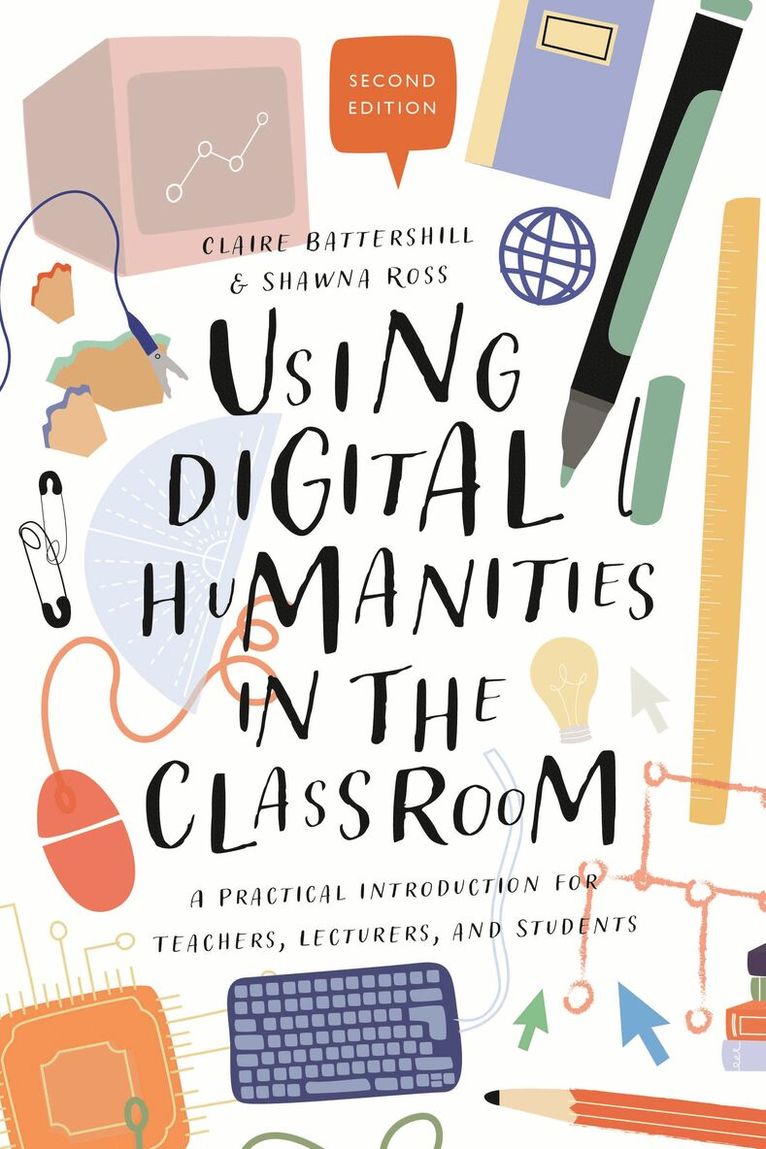
    Using Digital Humanities in the Classroom

    A Practical Introduction for Teachers, Lecturers, and Students

    AvClaire Battershill,Shawna Ross

    Inbunden, Engelska, 2022

    1 206 kr

    Beställningsvara. Skickas inom 10-15 vardagar. Fri frakt över 249 kr.

    Fler format och utgåvor

    Häftad

    375 kr

    E-bok

    399 kr

    E-bok

    399 kr

    Beskrivning

    Rooted in the day-to-day experience of teaching and written for those without specialist technical knowledge, this is a new edition of the go-to guide to using digital tools and resources in the humanities classroom. In response to the rapidly changing nature of the field, this new edition has been updated throughout and now features:- A brand-new Preface accounting for new developments in the broader field of DH pedagogy- New chapters on 'Collaborating' and on 'Teaching in a Digital Classroom' - New sections on collaborating with other teachers; teaching students with learning differences; explaining the benefits of digital pedagogy to your students; and advising graduate students about the technologies they need to master- New 'advanced activities' and ‘advanced assignment’ sections (including bots, vlogging, crowd-sourcing, digital storytelling, web scraping, critical making, automatic text generation, and digital media art)- Expanded chapter bibliographies and over two dozen tables offering practical advice on choosing software programsAccompanied by a streamlined companion website, which has been entirely redesigned to answer commonly asked questions quickly and clearly, this is essential reading for anyone looking to incorporate digital tools and resources into their daily teaching.

    Produktinformation

    • Utgivningsdatum:2022-04-21
    • Mått:156 x 234 x undefined mm
    • Format:Inbunden
    • Språk:Engelska
    • Antal sidor:280
    • Upplaga:2
    • Förlag:Bloomsbury Publishing PLC
    • ISBN:9781350180901

    Utforska kategorier

    • Pedagogisk teori och filosofi inom Psykologi och pedagogik
    • Historia: teori och metod inom Historia och arkeologi
    • Material och digital teknik i undervisningen inom Psykologi och pedagogik

    Mer om författaren

    Claire Battershill is an Assistant Professor, cross-appointed in the Faculty of Information and the Department of English, at the University of Toronto, Canada.Shawna Ross is Associate Professor of English at Texas A&M University, USA.

    Recensioner i media

    The new edition of Using Digital Humanities in the Classroom extends its already positive and beneficial role, at a time when our thinking about the issues it speaks to have increasing importance. Its new and revised materials continue to build on the first edition’s foundation: clear and accessible, learned and pragmatic, broad and deep - and, above all, extremely useful to all those teaching any aspect the digital humanities, new and experienced alike.

    Innehållsförteckning

    • Using Digital Humanities in the Classroom, 2nd editionProposed Table of ContentsPrefacei. Justification for second editionii. New developments in the digital humanitiesIii. Critical digital humanitiesIntroductioni. Who is this book for?ii. What are the digital humanities?iii. Key conceptsiv. How to use this book and Web Companionv. The Web Companionvi. Conclusion1. Finding, Evaluating and Creating Digital Resourcesi. Why use digital texts (and other assets)?ii. Finding and evaluating digital resourcesiii. Creating digital resources for your studentsiv. Creating digital resources with your studentsv. A short guide to citation and copyrightvi. Conclusionvii. Further reading2. Ensuring Accessibilityi. Universal designii. Facilitating lecturesiii. Promoting universal interactivityiv. Providing accessible resourcesv. Privacy, safety, and account managementvi. Learning differencesvii. Adapting policies for individual students and student bodiesviii. Conclusionix. Further reading3. Designing Syllabii. Course websitesii. A note on domains and web hostingiii. Online syllabiiv. Other digital resources for course websitesv. Should you teach an introduction to DH course?vi. An alternative approach: Choosing your amount of DHvii. Anatomy of a syllabus I: Course information and learning objectivesviii. Anatomy of a syllabus II: Course policiesix. Conclusionx. Further reading4. Designing Classroom Activitiesi. Activities as explorationii. Activity design: Balancing integration and flexibilityiii. Ten-minute exercisesiv. Half-hour exercisesv. Whole-class exercisesvi. Weeklong exercisesvii. Writing effective promptsviii. Advanced activitiesix. Conclusionx. Further reading5. Managing Classroom Activitiesi. Working with existing or free resourcesii. Many ways to secure equipmentiii. Troubleshootingiv. In case of total failurev. Conclusionvi. Further reading6. Creating Digital Assignmentsi. General principles for creating digital assignmentsii. Common types of digital assignmentsiii. Writing effective assignment sheetsiv. Advanced assignmentsv. Conclusionvi. Further reading7. Evaluating Student Worki. The importance of explicit assessment criteriaii. Anatomy of a rubriciii. Competencies: A language for indicating successiv. Involving students in evaluation processesv. Thinking beyond the rubricvi. Coping with failure during assessment periodsvii. Conclusionviii. Further reading8. Teaching Graduate Studentsi. The role of technology in twenty-first-century graduate educationii. Graduate students versus undergraduate studentsiii. Incorporating DH into graduate course workiv. External opportunitiesv. Professionalization and the job marketvi. A note on alt-ac careersvii. Conclusionviii. Further reading10. Building Internal and External Support Communitiesi. A note on the variety of support systemsii. Internal Supportiii. Social mediaiv. Grant fundingv. Conclusionvi. Further reading11. DH Beyond the Classroomi. Theories of collaborationii. Impact, outreach, and the public humanitiesiii. Librariesiv. Museums and galleriesv. Local governmentsvi. Non-profits and other NGOsvii. Participatory eventsviii. Conclusionviii. Further reading12. Connecting to Your Researchi. Counting more than onceii. Incorporating digital methods in your researchiii. Producing research on digital pedagogyiv. Broadening the scope of your researchv. Collaborating with studentsvi. Conclusionvii. Further readingConcluding Thoughts: Crafting Your DH Pedagogical PhilosophyIndex