Häftad, Engelska, 2022
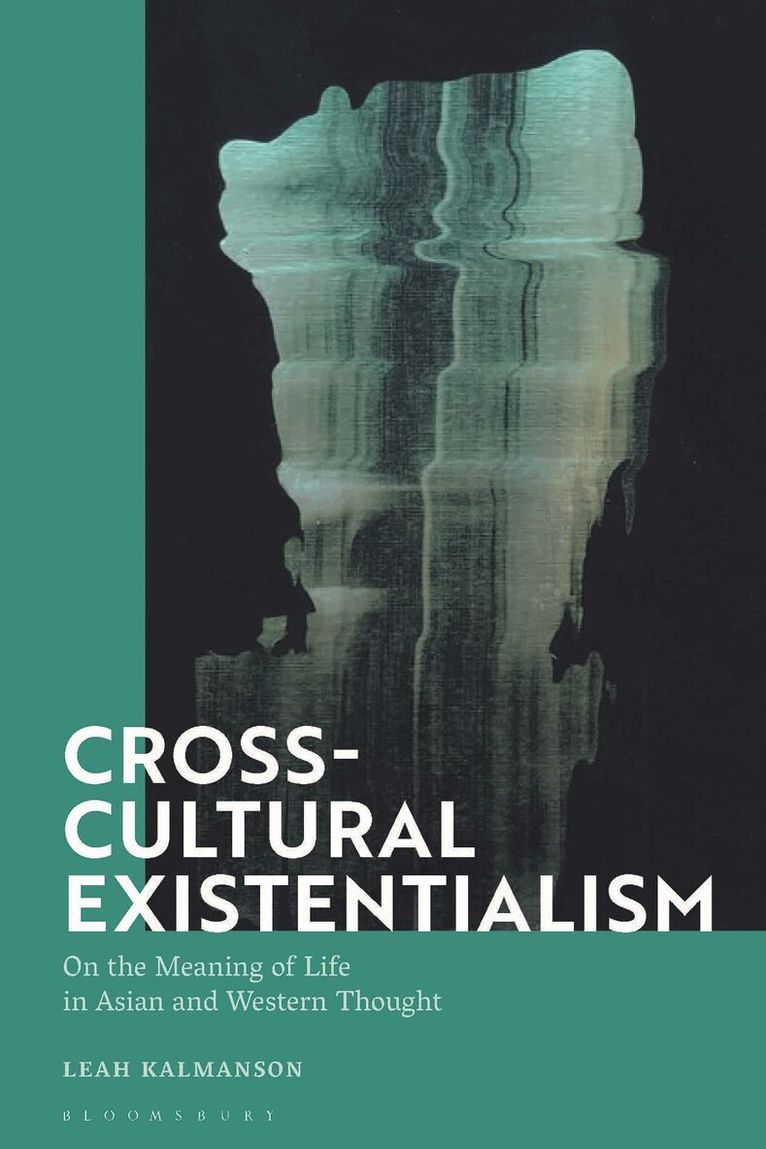
Cross-Cultural Existentialism
On the Meaning of Life in Asian and Western Thought
455 kr
Beställningsvara. Skickas inom 10-15 vardagar. Fri frakt över 249 kr.
Beskrivning
Engaging in existential discourse beyond the European tradition, this book turns to Asian philosophies to reassess vital questions of life’s purpose, death’s imminence, and our capacity for living meaningfully in conditions of uncertainty.Inspired by the dilemmas of European existentialism, this cross-cultural study seeks concrete techniques for existential practice via the philosophies of East Asia. The investigation begins with the provocative writings of twentieth-century Korean Buddhist nun Kim Iryop, who asserts that meditative concentration conducts a potent energy outward throughout the entire karmic network, enabling the radical transformation of our shared existential conditions. Understanding her claim requires a look at East Asian sources more broadly. Considering practices as diverse as Buddhist merit-making ceremonies, Confucian/Ruist methods for self-cultivation, the ritual memorization and recitation of texts, and Yijing divination, the book concludes by advocating a speculative turn. This ‘speculative existentialism’ counters the suspicion toward metaphysics characteristic of twentieth-century European existential thought and, at the same time, advances a program for action. It is not a how-to guide for living, but rather a philosophical methodology that takes seriously the power of mental cultivation to transform the meaning of the life that we share.
Produktinformation
- Utgivningsdatum: 2022-03-24
- Mått: 136 x 214 x 14 mm
- Vikt: 480 g
- Format: Häftad
- Språk: Engelska
- Antal sidor: 200
- Förlag: Bloomsbury Publishing PLC
- ISBN: 9781350205635
Utforska kategorier
Mer om författaren
Leah Kalmanson is Associate Professor and Bhagwan Adinath Professor of Jain Studies in the Department of Philosophy and Religion at the University of North Texas, USA.
Recensioner i media
Cross-Cultural Existentialism is a very accessible text that quite successfully creates connections amid a small collection of European philosophical texts, a much larger corpus of Asian texts from the Song Dynasty to twentieth-century Korea, and a body of scholarship on Mahayana Buddhism. While that may seem ambitious, Kalmanson diligently synthesizes her argument with surprising efficiency.
Betyg & recensioner
0 recensioner
Inga recensioner tillgängliga.