• Fri frakt över 249 kr
  • •
  • Snabba leveranser
  • •
  • Billiga böcker
Kundservice

Du är på sajten för privatpersoner.

Företag, bibliotek eller offentlig verksamhet?

Du handlar på classic.bokus.com, där alla dina funktioner finns intakta.
Till classic.bokus.com
Bokus logotyp. Gå till startsidan.
  • Erbjudanden
  • Nyheter
  • Student
  • Topplistor
  • Barn & ungdom
  • Bokus Play
  • E-böcker
  • Pocketböcker
  • Spel & pussel

10% studentrabatt med kod TERM26

Sidfot

Mina sidor

    Hjälp

    • Kundservice
    • Vanliga frågor och svar
    • Frakt och leverans
    • Retur vid ångerrätt
    • Reklamera vara
    • Betalning
    • Köpvillkor
    • Allmänna villkor
    • Information om webbplatsens tillgänglighet

    Om Bokus

    • Om oss
    • Pressrum
    • För studenter
    • För företag
    • För bibliotek och offentlig verksamhet
    • För leverantörer
    • Hållbarhet

    Populärt

    • Aktuella erbjudanden
    • Presentkort
    • Studentlitteratur
    • Nya böcker
    • Topplistor
    • Signerade böcker
    • Engelska böcker

    Inspiration

    • Boktips
    • BookTok
    • Populära bokserier
    • Barnbokskaraktärer
    • Populära författare
    Logotyp för Bokus
    Följ oss på Facebook (extern länk)Följ oss på Instagram (extern länk)Följ oss på YouTube (extern länk)Följ oss på TikTok (extern länk)
    bokus @ CookiesAnpassa cookiesIntegritetspolicyKöpvillkor
    Till Citymail hemsida (extern länk)Till Budbee hemsida (extern länk)Till Postnord hemsida (extern länk)Till Schenker hemsida (extern länk)Till Early Bird hemsida (extern länk)Till Walleys hemsida (extern länk)
    1. Samhälle och politik
    2. Samhälle och kultur
    3. Kultur och medier
    4. Kulturvetenskap

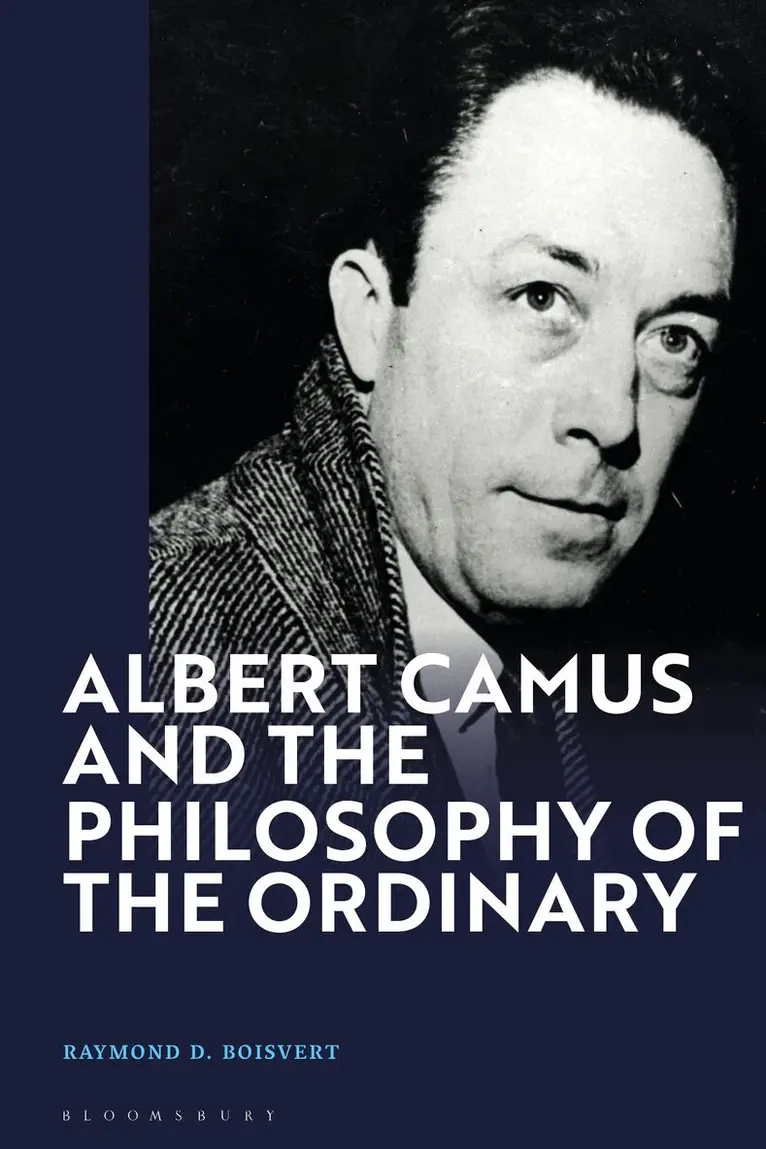
    Albert Camus and the Philosophy of the Ordinary

    AvRaymond D. Boisvert

    Häftad, Engelska, 2024

    487 kr

    Beställningsvara. Skickas inom 10-15 vardagar. Fri frakt över 249 kr.

    Fler format och utgåvor

    Inbunden

    1 445 kr

    E-bok

    521 kr

    E-bok

    521 kr

    Beskrivning

    The standard interpretation keeps repeating that Camus is the prototypical “absurdist” thinker. Such a reading freezes Camus at the stage at which he wrote The Stranger and The Myth of Sisyphus. By taking seriously how (1) Camus was always searching and (2) the rest of his corpus, Albert Camus and the Philosophy of the Ordinary corrects the one-sided, and thus faulty, depiction of Camus as committed to a philosophy of absurdism. His guiding project, which he explicitly acknowledged, was an attempt to get beyond nihilism, the general dismissal of value and meaning in ordinary life. Tracing this project via Camus’s works, Albert Camus and the Philosophy of the Ordinary, offers a new lens for thinking about the well-known author.

    Produktinformation

    • Utgivningsdatum:2024-09-19
    • Mått:152 x 232 x 16 mm
    • Vikt:360 g
    • Format:Häftad
    • Språk:Engelska
    • Antal sidor:248
    • Förlag:Bloomsbury Publishing PLC
    • ISBN:9781350347953

    Utforska kategorier

    • Kulturvetenskap inom Samhälle och politik
    • Filosofiska discipliner inom Filosofi och religion
    • Litteraturteori inom Skönlitteratur

    Mer om författaren

    Raymond D. Boisvert is Professor of Philosophy at Siena College in Albany, New York. He is the author of I Eat: Therefore I Think (2014) and Philosophers at Table (2016).

    Recensioner i media

    Ray Boisvert is among a growing group of scholars reading Camus with fresh eyes and a renewed concern for the central questions that animate his work. Albert Camus and the Philosophy of the Ordinary is a thought-provoking analysis of the modern crisis Camus sought to reckon with and overcome.

    Innehållsförteckning

    • Introdution: Albert Camus and the Rehabilitation of the OrdinaryChapter 1. Defiant humanism--The Myth of Sisyphus IChapter 2. Defiant Humanism in question: The Myth of Sisyphus IIChapter 3. The StrangerChapter4. The PlagueChapter 5. The RebelChapter 6. The FallChapter 7. Exile and the Kingdom I: the backward-looking storiesChapter 8. Exile and the Kingdom II: the transitional storiesChapter 9. Exile and the Kingdom III: the forward-looking storiesChapter 10. First Man I: What is “First?”Chapter 11. The First Man II: What is Love?Chapter 12. Conclusionbibliographyindex