• Fri frakt över 249 kr
  • •
  • Snabba leveranser
  • •
  • Billiga böcker
Kundservice

Du är på sajten för privatpersoner.

Företag, bibliotek eller offentlig verksamhet?

Du handlar på classic.bokus.com, där alla dina funktioner finns intakta.
Till classic.bokus.com
Bokus logotyp. Gå till startsidan.
  • Erbjudanden
  • Nyheter
  • Student
  • Topplistor
  • Barn & ungdom
  • Bokus Play
  • E-böcker
  • Pocketböcker
  • Spel & pussel

10% rabatt på allt med kod NYSTART10 →

Sidfot

Mina sidor

    Hjälp

    • Kundservice
    • Vanliga frågor och svar
    • Frakt och leverans
    • Retur vid ångerrätt
    • Reklamera vara
    • Betalning
    • Köpvillkor
    • Allmänna villkor
    • Information om webbplatsens tillgänglighet

    Om Bokus

    • Om oss
    • Pressrum
    • För studenter
    • För företag
    • För bibliotek och offentlig verksamhet
    • För leverantörer
    • Hållbarhet

    Populärt

    • Aktuella erbjudanden
    • Presentkort
    • Studentlitteratur
    • Nya böcker
    • Topplistor
    • Signerade böcker
    • Engelska böcker

    Inspiration

    • Boktips
    • BookTok
    • Populära bokserier
    • Barnbokskaraktärer
    • Populära författare
    Logotyp för Bokus
    Följ oss på Facebook (extern länk)Följ oss på Instagram (extern länk)Följ oss på YouTube (extern länk)Följ oss på TikTok (extern länk)
    bokus @ CookiesAnpassa cookiesIntegritetspolicyKöpvillkor
    Till Citymail hemsida (extern länk)Till Budbee hemsida (extern länk)Till Postnord hemsida (extern länk)Till Schenker hemsida (extern länk)Till Early Bird hemsida (extern länk)Till Walleys hemsida (extern länk)
    1. Filosofi och religion
    2. Filosofi
    3. Filosofiska discipliner

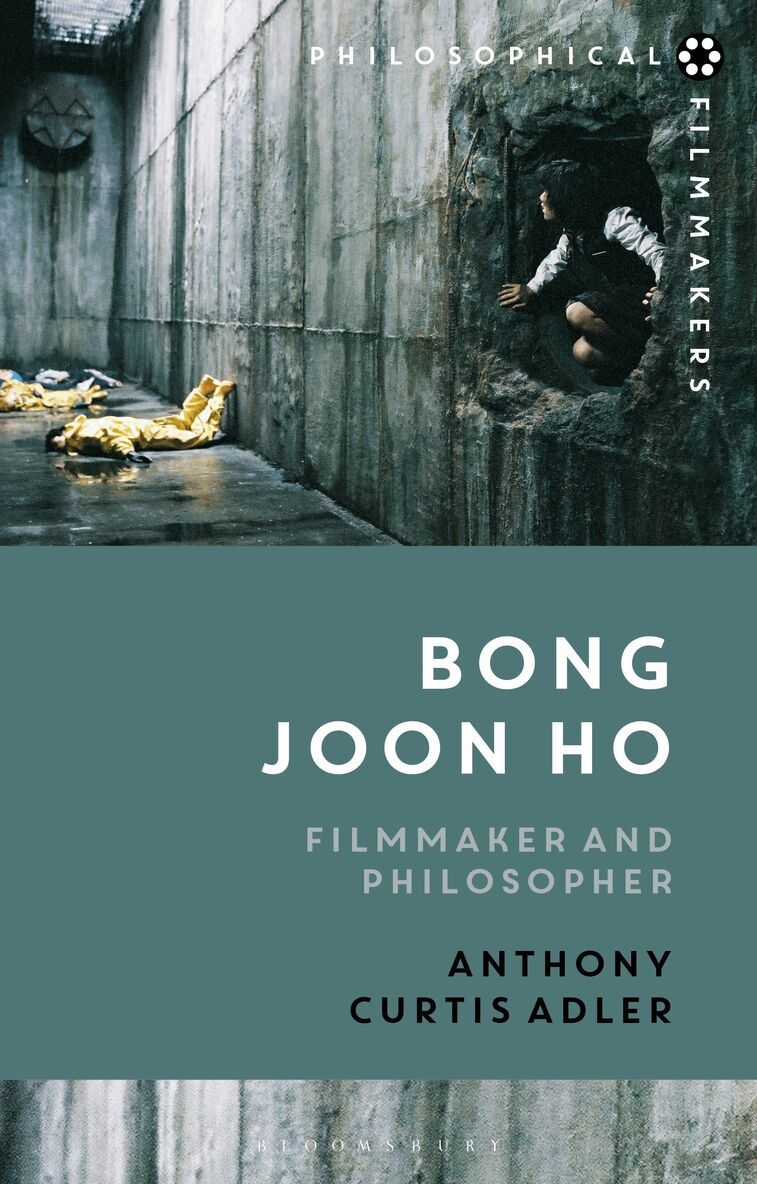
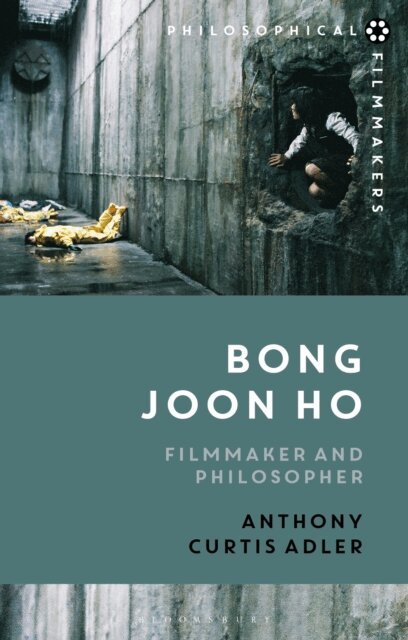
    Bong Joon Ho

    Philosopher and Filmmaker

    AvAnthony Curtis Adler,Costica Bradatan

    Häftad, Engelska, 2025

    Del i serien Philosophical Filmmakers

    308 kr

    Beställningsvara. Skickas inom 5-8 vardagar. Fri frakt över 249 kr.

    Fler format och utgåvor

    Inbunden

    910 kr

    E-bok

    293 kr

    E-bok

    293 kr

    Beskrivning

    With the release of Parasite (2019), winner of the Palme d’Or and an Academy Award for Best Picture, the South Korean director Bong Joon Ho secured his place as one of his generation’s leading filmmakers. While scholars and critics have long appreciated his penetrating critique of Korean society and global capitalism, this book presents the first cohesive philosophical analysis of his first seven feature-length films. It argues that Bong’s cinema not only engages with philosophy, but is radically philosophical. Writing as an intimate outsider to Korea, a “resident alien” married into a Korean family, and teaching at Bong’s own alma mater, Anthony Curtis Adler explores Bong’s visionary and re-visionary treatment of spatiality, temporality, myth, memory, genre, and the semiotics of monstrosity.Adler argues that for Bong Joon Ho, cinema doubles the ambiguity of philosophy, presenting the aesthetic means to represent anarchic motions and movements. While it can capture and contain them, subordinating them to an overarching order, it can also free them to appear in their anarchy. From the humble apartment building of Barking Dogs Never Bite to the train in Snowpiercer and Parasite’s mansion, Bong’s films stage interior spaces as representations of a cinematic apparatus that is, ambiguously, site of both imprisonment and liberation.Even while confronting globalism head-on, Bong’s films never cease to engage with the specific challenges faced by modern Korea, and, above all, the struggle of the Korean people for political representation and economic justice.
    Produktinformation

    • Utgivningsdatum:2025-12-11
    • Mått:138 x 214 x 24 mm
    • Vikt:320 g
    • Format:Häftad
    • Språk:Engelska
    • Serie:Philosophical Filmmakers
    • Antal sidor:344
    • Förlag:Bloomsbury Publishing PLC
    • ISBN:9781350414662

    Utforska kategorier

    • Filosofiska discipliner inom Filosofi och religion
    • Film inom Kultur

    Mer om författaren

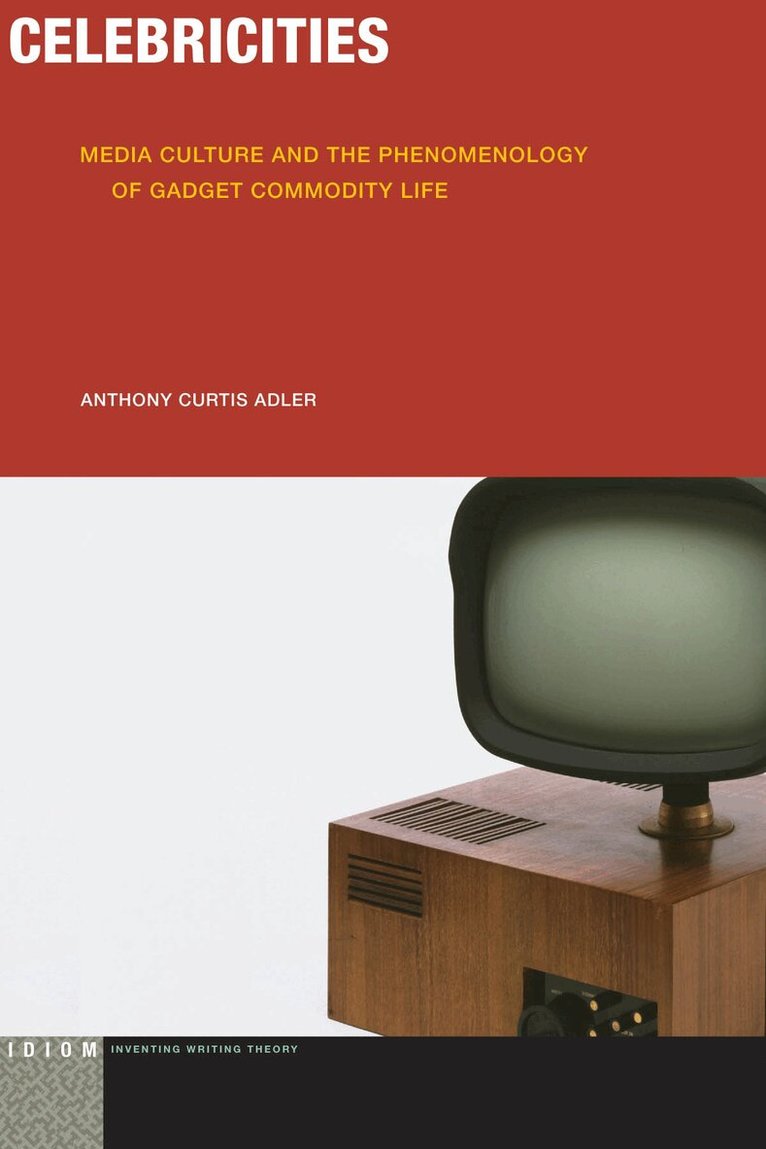
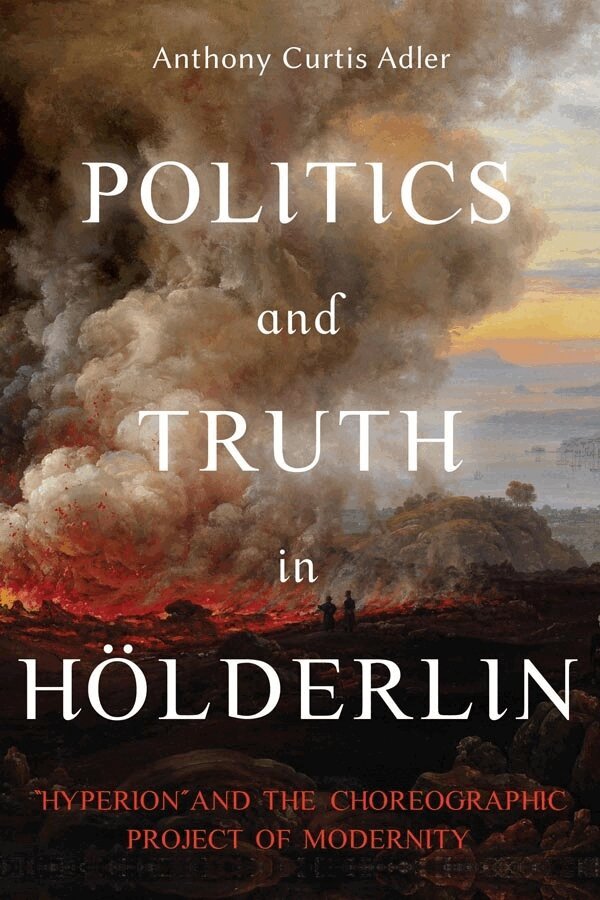
    Anthony Curtis Adler is a professor of German and Comparative Literature at Yonsei University’s Underwood International College, South Korea. His most recent books include Celebricities: Media Culture and the Phenomenology of Gadget Commodity Life (2016), and Politics and Truth in Hölderlin: ‘Hyperion’ and the Choreographic Project of Modernity (2021).

    Recensioner i media

    A brilliant analysis of the films of one of the most discussed and studied Korean filmmakers, written by a fine connoisseur of Korean culture and history. This book provides unique insights into the films of Bong Joon Ho.

    Innehållsförteckning

    • 1. Introductiona. Why Bong Joon Ho?b. Korean Cinema in an Age of Globalizationc. Bong Joon Ho as Philosophical Filmmakerd. Overview of the Argumente. A Personal Note on Hybrid Subjectivity2. The Cinematic Apparatus of Philosophya. Cinema as Projection of Movement and Lifeb. Plato’s Visionary Spacesc. Aristotle’s Poetics and the Drama of Meaningd. Psyche as Cinemae. Scientific Objectivity as Cinematic Apparatus3. Barking Dogs Never Bitea. The Korean Apartment Complex as Visionary Spaceb. Dog as Food, Friend, Foe: Civilization and Domesticationc. Endemic Corruptiond. Ambiguous Liberatione. Nature and Sprawl4. Memories of Murder, Mothera. Cinematic Genre as Visionary Spaceb. The Korean Countryside and the Logic of Sprawlc. Memories of Murder, Cinematic Voyeurism and the Domestication of Violenced. Mother and Murder: On Breaking the Umbilical Corde. The Tunnel and the Camera Lens5. The Host, Okjaa. Philosophy, Cinema, and the Global Imaginaryb. The Host, Mutation as Genetic Sprawlc. Okja, Genetic Engineering as Absolute Domesticationd. From Tunnels to Networkse. Visionary Capitalism6. Snowpiercera. Tunnel, Network, Trainb. Absolute Global Order as the Apotheosis of Visionary Capitalismc. The Subversion of Plotd. Civilization as Autophagye. Political-theology: The Hero, The Messiah, The Emperor7. Parasitea. Globalism Inside Out and Outside Inb. The House as Visionary Spacec. Civilization and its Parasitesd. Oedipus, Complexere. Scholar’s Dreams8. Conclusion: Crashing the Cinematic Apparatus of Philosophy