• Fri frakt över 249 kr
  • •
  • Snabba leveranser
  • •
  • Billiga böcker
Kundservice

Du är på sajten för privatpersoner.

Företag, bibliotek eller offentlig verksamhet?

Du handlar på classic.bokus.com, där alla dina funktioner finns intakta.
Till classic.bokus.com
Bokus logotyp. Gå till startsidan.
  • Erbjudanden
  • Student
  • Topplistor
  • Barn & ungdom
  • Bokus Play
  • E-böcker
  • Ljudböcker
  • Pocketböcker
  • Spel och pussel

5% studentrabatt – använd koden KURSBOK27 →

Sidfot

Mina sidor

    Hjälp

    • Kundservice
    • Vanliga frågor och svar
    • Frakt och leverans
    • Retur vid ångerrätt
    • Reklamera vara
    • Betalning
    • Köpvillkor
    • Allmänna villkor
    • Information om webbplatsens tillgänglighet

    Om Bokus

    • Om oss
    • Pressrum
    • För studenter
    • För företag
    • För bibliotek och offentlig verksamhet
    • För leverantörer
    • Hållbarhet

    Populärt

    • Aktuella erbjudanden
    • Presentkort
    • Studentlitteratur
    • Nya böcker
    • Topplistor
    • Signerade böcker
    • Engelska böcker

    Inspiration

    • Boktips
    • BookTok
    • Barnbokskaraktärer
    • Populära författare
    Logotyp för Bokus
    Följ oss på Facebook (extern länk)Följ oss på Instagram (extern länk)Följ oss på YouTube (extern länk)Följ oss på TikTok (extern länk)
    bokus @ CookiesAnpassa cookiesIntegritetspolicyKöpvillkor
    Till Citymail hemsida (extern länk)Till Budbee hemsida (extern länk)Till Postnord hemsida (extern länk)Till Schenker hemsida (extern länk)Till Early Bird hemsida (extern länk)Till Walleys hemsida (extern länk)
    1. Samhälle och politik
    2. Samhälle och kultur
    3. Kultur och medier
    4. Kulturvetenskap

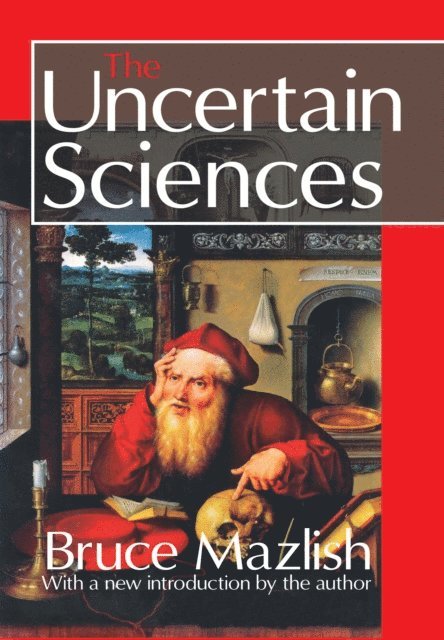
    Uncertain Sciences

    AvBruce Mazlish

    Häftad, Engelska, 2007

    775 kr

    Beställningsvara. Skickas inom 10-15 vardagar. Fri frakt över 249 kr.

    Fler format och utgåvor

    Inbunden

    2 481 kr

    E-bok

    922 kr

    E-bok

    922 kr

    Beskrivning

    This sweeping inquiry into the present condition of the human sciences addresses the central questions: What sort of knowledge do the human sciences claim to be offering? To what extent can that knowledge be called scientific? and What do we mean by "scientific" in such a context?In this wide-ranging book, one of the most esteemed cultural historians of our time turns his attention to major questions about human experience and various attempts to understand it "scientifically." Mazlish considers the achievements, failings, and possibilities of the human sciences--a domain that he broadly defines to include the social sciences, literature, psychology, and hermeneutic studies.In a rich and original synthesis built upon the work of earlier philosophers and historians, Mazlish constructs a new view of the nature and meaning of the human sciences. Starting with the remote human past and moving through the Age of Discovery to the present day, Mazlish discusses the sort of knowledge the human sciences claim to offer. He looks closely at the positivistic aspirations of the human sciences, which are modeled after the natural sciences, and at their interpretive tendencies. In an analysis of scientific method and scientific community, he explores the roles they can or should assume in the human sciences. His approach is genuinely interdisciplinary, drawing upon an array of topics, from civil society to globalization to the interactions of humans and machines.

    Produktinformation

    • Utgivningsdatum:2007-05-30
    • Mått:152 x 229 x 25 mm
    • Vikt:476 g
    • Format:Häftad
    • Språk:Engelska
    • Antal sidor:348
    • Förlag:Taylor & Francis Inc
    • ISBN:9781412806305

    Utforska kategorier

    • Kulturvetenskap inom Samhälle och politik
    • Filosofi inom Filosofi och religion
    • Naturvetenskap:allmänt inom Naturvetenskap och teknik

    Innehållsförteckning

    • Introduction; 1: The Problem of the Human Sciences; 2: Positivism; 3: The Human Species as an Object of Study; 4: Hermeneutics; 5: Some Achievements to Date; 6: The Uncertain Sciences; 7: “Da Capo,” or Back to the Beginning