• Fri frakt över 249 kr
  • •
  • Snabba leveranser
  • •
  • Billiga böcker
Kundservice

Du är på sajten för privatpersoner.

Företag, bibliotek eller offentlig verksamhet?

Du handlar på classic.bokus.com, där alla dina funktioner finns intakta.
Till classic.bokus.com
Bokus logotyp. Gå till startsidan.
  • Erbjudanden
  • Nyheter
  • Student
  • Topplistor
  • Barn & ungdom
  • Bokus Play
  • E-böcker
  • Pocketböcker
  • Spel & pussel

Må bättre, för mindre! Upp till 50% rabatt på hälsoböcker

Sidfot

Mina sidor

    Hjälp

    • Kundservice
    • Vanliga frågor och svar
    • Frakt och leverans
    • Retur vid ångerrätt
    • Reklamera vara
    • Betalning
    • Köpvillkor
    • Allmänna villkor
    • Information om webbplatsens tillgänglighet

    Om Bokus

    • Om oss
    • Pressrum
    • För studenter
    • För företag
    • För bibliotek och offentlig verksamhet
    • För leverantörer
    • Hållbarhet

    Populärt

    • Aktuella erbjudanden
    • Presentkort
    • Studentlitteratur
    • Nya böcker
    • Topplistor
    • Signerade böcker
    • Engelska böcker

    Inspiration

    • Boktips
    • BookTok
    • Populära bokserier
    • Barnbokskaraktärer
    • Populära författare
    Logotyp för Bokus
    Följ oss på Facebook (extern länk)Följ oss på Instagram (extern länk)Följ oss på YouTube (extern länk)Följ oss på TikTok (extern länk)
    bokus @ CookiesAnpassa cookiesIntegritetspolicyKöpvillkor
    Till Citymail hemsida (extern länk)Till Budbee hemsida (extern länk)Till Postnord hemsida (extern länk)Till Schenker hemsida (extern länk)Till Early Bird hemsida (extern länk)Till Walleys hemsida (extern länk)
    1. Medicin
    2. Omvårdnad och medicinska stödfunktioner
    3. Biomedicinsk teknik

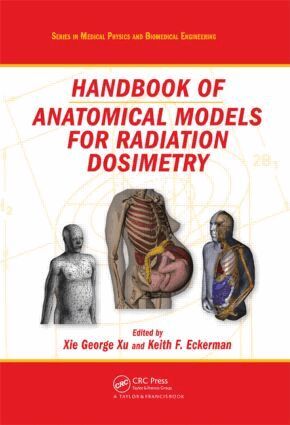
    Handbook of Anatomical Models for Radiation Dosimetry

    AvXie George Xu,Keith F. Eckerman

    Inbunden, Engelska, 2009

    Del i serien Series in Medical Physics and Biomedical Engineering

    3 765 kr

    Beställningsvara. Skickas inom 10-15 vardagar. Fri frakt över 249 kr.

    Beskrivning

    Over the past few decades, the radiological science community has developed and applied numerous models of the human body for radiation protection, diagnostic imaging, and nuclear medicine therapy. The Handbook of Anatomical Models for Radiation Dosimetry provides a comprehensive review of the development and application of these computational models, known as "phantoms."An ambitious and unparalleled project, this pioneering work is the result of several years of planning and preparation involving 64 authors from across the world. It brings together recommendations and information sanctioned by the International Commission on Radiological Protection (ICRP) and documents 40 years of history and the progress of those involved with cutting-edge work with Monte Carlo Codes and radiation protection dosimetry. This volume was in part spurred on by the ICRP’s key decision to adopt voxelized computational phantoms as standards for radiation protection purposes. It is an invaluable reference for those working in that area as well as those employing or developing anatomical models for a a number of clinical applications.Assembling the work of nearly all major phantom developers around the world, this volume examines: The history of the research and development in computational phantomsDetailed accounts for each of the well-known phantoms, including the MIRD-5, GSF Voxel Family Phantoms, NCAT, UF Hybrid Pediatric Phantoms, VIP-Man, and the latest ICRP Reference PhantomsPhysical phantoms for experimental radiation dosimetryThe smallest voxel size (0.2 mm), phantoms developed from the Chinese Visible Human Project Applications for radiation protection dosimetry involving environmental, nuclear power plant, and internal contamination exposures Medical applications, including nuclear medicine therapy, CT examinations, x-ray radiological image optimization, nuclear medicine imaging, external photon and proton treatments, and management of respiration in modern image-guided radiation treatmentPatient-specific phantoms used for radiation treatment planning involving two Monte Carlo code systems: GEANT4 and EGSFuture needs for research and developmentRelated data sets are available for download on the authors’ website. The breadth and depth of this work enables readers to obtain a unique sense of the complete scientific process in computational phantom development, from the conception of an idea, to the identification of original anatomical data, to solutions of various computing problems, and finally, to the ownership and sharing of results in this groundbreaking field that holds so much promise.

    Produktinformation

    • Utgivningsdatum:2009-09-01
    • Mått:178 x 254 x 40 mm
    • Vikt:1 560 g
    • Format:Inbunden
    • Språk:Engelska
    • Serie:Series in Medical Physics and Biomedical Engineering
    • Antal sidor:757
    • Förlag:Taylor & Francis Inc
    • ISBN:9781420059793

    Utforska kategorier

    • Biomedicinsk teknik inom Medicin

    Mer om författaren

    Dr. X. George Xu is a professor of nuclear engineering and biomedical engineering at Rensselaer Polytechnic Institute (RPI), Troy, New York. Dr. Keith F. Eckerman is the leader of the Dosimetry Research Team in the Environmental Science Division at the Oak Ridge National Laboratory (ORNL).

    Innehållsförteckning

    • Part I. Computational Phantoms for Radiation Dosimetry: A 40 Year History of Evolution. Stylized Computational Phantoms Developed at ORNL and Elsewhere. The GSF Voxel Computational Phantom Family. The ADELAIDE Teenage Female Voxel Computational Phantom. The MCAT, NCAT, XCAT, and MOBY Computational Human and Mouse Phantoms. The 3D and 4D VIP-Man Computational Phantoms. The FAX06 and the MAX06 Computational Voxel Phantoms. The University of Florida Pediatric Phantom Series. Japanese Computational Phantoms: Otoko, Onago, JM, JM2, JF, TARO, HANAKO, Pregnant Woman, and Deformable Child. Korean Computational Phantoms: KMIRD, KORMAN, KORWOMAN, KTMAN-1, KTMAN-2, and HDRK-Man. Chinese Voxel Computational Phantoms: CNMAN, VCH, and CVP. Pregnant Female/Fetus Computational Phantoms and the Latest RPI-P Series Representing 3, 6, and 9 Months Gestational Periods. The Vanderbilt University Reference Adult and Pediatric Phantom Series. Mesh-Based and Anatomically Adjustable Adult Phantoms and a Case Study in Virtual Calibration of Lung Counter for Female Workers. The ICRP Reference Computational Phantoms. Physical Phantoms for Experimental Radiation Dosimetry. Part II. Applications to Environmental Exposures. Applications to External Radiation Exposures in Nuclear Power Plants. Applications to Bioassay for Internal Radiation Contamination. Applications to Nuclear Medicine. Applications to Computed Tomography for Pediatric Patients. Applications to Computed Tomography for Adult Patients. Applications to Optimization of X-Ray Radiographic Imaging. Applications to Nuclear Medicine Imaging and Dosimetry Involving MCAT, NCAT, and MOBY Phantoms. Applications to Secondary Radiation Dosimetry in External Beam Radiation Therapy. Applications to Image-Guided Radiation Treatment Planning. Dose Calculations in Radiation Therapy Based on Patient Models Using the Geant4 Monte Carlo Code. Applications to Patient-Specific Voxel Computational Phantoms in EGS Monte Carlo Codes for Radiation Treatment Involving Photons and Electrons. Applications to Nonionizing Radiation Protection. Summary and Future Needs Related to Computational Phantoms. About the Contributors. Index