• Fri frakt över 249 kr
  • •
  • Snabba leveranser
  • •
  • Billiga böcker
Kundservice

Du är på sajten för privatpersoner.

Företag, bibliotek eller offentlig verksamhet?

Du handlar på classic.bokus.com, där alla dina funktioner finns intakta.
Till classic.bokus.com
Bokus logotyp. Gå till startsidan.
  • Erbjudanden
  • Nyheter
  • Student
  • Topplistor
  • Barn & ungdom
  • Bokus Play
  • E-böcker
  • Pocketböcker
  • Spel & pussel

10% rabatt på allt med kod NYSTART10 →

Sidfot

Mina sidor

    Hjälp

    • Kundservice
    • Vanliga frågor och svar
    • Frakt och leverans
    • Retur vid ångerrätt
    • Reklamera vara
    • Betalning
    • Köpvillkor
    • Allmänna villkor
    • Information om webbplatsens tillgänglighet

    Om Bokus

    • Om oss
    • Pressrum
    • För studenter
    • För företag
    • För bibliotek och offentlig verksamhet
    • För leverantörer
    • Hållbarhet

    Populärt

    • Aktuella erbjudanden
    • Presentkort
    • Studentlitteratur
    • Nya böcker
    • Topplistor
    • Signerade böcker
    • Engelska böcker

    Inspiration

    • Boktips
    • BookTok
    • Populära bokserier
    • Barnbokskaraktärer
    • Populära författare
    Logotyp för Bokus
    Följ oss på Facebook (extern länk)Följ oss på Instagram (extern länk)Följ oss på YouTube (extern länk)Följ oss på TikTok (extern länk)
    bokus @ CookiesAnpassa cookiesIntegritetspolicyKöpvillkor
    Till Citymail hemsida (extern länk)Till Budbee hemsida (extern länk)Till Postnord hemsida (extern länk)Till Schenker hemsida (extern länk)Till Early Bird hemsida (extern länk)Till Walleys hemsida (extern länk)
    1. Naturvetenskap och teknik
    2. Matematik och naturvetenskap
    3. Biologi
    4. Däggdjur

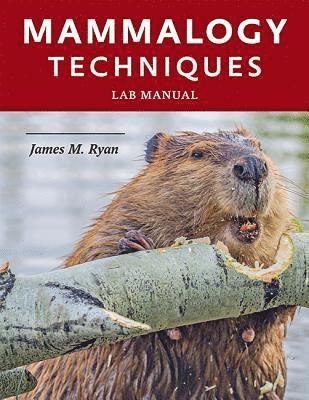
    Mammalogy Techniques Lab Manual

    AvJames M. Ryan

    Häftad, Engelska, 2018

    473 kr

    Beställningsvara. Skickas inom 5-8 vardagar. Fri frakt över 249 kr.

    Beskrivning

    Get outside! A hands-on lab manual for instructors incorporating fieldwork into their courses on mammalogy.Mammals inhabit nearly every continent and every sea. They have adapted to life underground, in the frozen Arctic, the hottest deserts, and every habitat in-between. In Mammalogy Techniques Lab Manual—the only field manual devoted to training the next generation of mammalogists—biologist and educator James M. Ryan details the modern research techniques today’s professionals use to study mammals wherever they are found.Ideal for any mammalogy or wildlife biology course, this clear and practical guide aids students by getting them outside to study mammals in their natural environments. Twenty comprehensive chapters cover skull and tooth identification, radio and satellite GPS tracking, phylogeny construction, mark and recapture techniques, camera trapping, museum specimen preparation, optimal foraging, and DNA extraction, among other topics. Each chapter includes several exercises with step-by-step instructions for students to collect and analyze their own data, along with background information, downloadable sample data sets (to use when it is not practical to be out in the field), and detailed descriptions of useful open-source software tools.This pragmatic resource provides students with real-world experience practicing the complex techniques used by modern wildlife biologists. With more than 60 applied exercises to choose from in this unique manual, students will quickly acquire the scientific skills essential for a career working with mammals.

    Produktinformation

    • Utgivningsdatum:2018-12-25
    • Mått:216 x 279 x 12 mm
    • Vikt:499 g
    • Format:Häftad
    • Språk:Engelska
    • Antal sidor:192
    • Förlag:Johns Hopkins University Press
    • ISBN:9781421426075

    Utforska kategorier

    • Däggdjur inom Naturvetenskap och teknik
    • Däggdjur inom Djur och Natur
    • Biovetenskap inom Naturvetenskap och teknik

    Mer om författaren

    James M. Ryan is a professor of biology at Hobart and William Smith Colleges. He is the coauthor of Mammalogy and the author of Adirondack Wildlife: A Field Guide.

    Recensioner i media

    The content makes for a book of such a range of mammal study methods it is difficult to think all that can be in just 179 pages.—Pat Sang MRSB, The Biologist

    Innehållsförteckning

    • Acknowledgments Chapter 1. Introduction Background How to Use This Manual R Statistical Environment Chapter 2. Mammal Skulls Background Bones and Features of the Skull Variation in Mammalian Skulls Zygomatic Morphology in Rodents Telescoping in Cetaceans Skull Measurements Exercise 1: The Nuts and Bolts Exercise 2: Dichotomous Keys of Skulls Exercise 3: Mystery Mammal Skull Appendix Chapter 3. Mammalian Teeth Background Internal Structure Kinds of Teeth Occlusal Patterns and Cusps Types of Teeth and Diet Tooth Replacement Dental Formulas Exercise 1: Dental Terminology Exercise 2: Dental Key to North American Mammals Chapter 4. Phylogeny Reconstruction Background How Do We Construct Phylogenetic Trees? Exercise 1: Manual Sequence Alignment Exercise 2: Sequence Alignment Using Computers Exercise 3: Exploring the Open Tree of Life Chapter 5. Keeping a Field Notebook Background Why Keep a Field Notebook? Elements of a Field Journal Two-Part Field Notes Grinnell Method Exercise 1: Locality Information Using Topo Maps Exercise 2: Taking Field Notes Chapter 6. Livetrapping Small Mammals Background Live Traps Exercise 1: Setting up a Livetrapping Grid Exercise 2: Checking Traps and Collecting Capture Data Handling Captured Mammals Marking Mammals Sexing and Aging Small Mammals Measuring Small Mammals Exercise 3: Data Collection and Analysis Appendix Chapter 7. Specimen Preparation Why Collect Specimens? Documenting Specimens Exercise 1: Taking Standard Measurements Recording Reproductive Data Preparing Museum Specimens Exercise 2: Preparing a Museum Study Skin Exercise 3: Preparing Skulls Exercise 4: Preparing Skeletons Chapter 8. Field Collecting and Preserving Mammalian Parasites Background Exercise 1: Making a Blood Smear Exercise 2: Collecting Ectoparasites Exercise 3: Collecting Endoparasites Exercise 4: Preliminary Ectoparasite Identification Exercise 5: Ectoparasite Population Ecology Chapter 9. Mark-Recapture Studies Background Lincoln-Petersen Method Schnabel Model Jolly-Seber Model Exercise 1: Single Mark-Recapture (Lincoln-Petersen Method) Exercise 2: The Schnabel Method Exercise 3: The Jolly-Seber Model Using Excel Appendix Chapter 10. Using Software for Mark-Recapture Data Background Capture Probability and Encounter Histories Capture Models Exercise 1: Using the Program CAPTURE Exercise 2: Tigers in India Exercise 3: Mark-Recapture Sampling Using Rcapture Appendix A Appendix B Chapter 11. Transects: Using Distance Sampling Background Indirect Data Field Procedures Indirect Transect Surveys Exercise 1: Conducting Deer Pellet Transect Surveys Exercise 2: Dung Counts Using PELLET Exercise 3: Data Analysis Using Rdistance in RStudio Chapter 12. Camera Trapping Background Camera Selection Survey Design Exercise 1: A Camera-Trap Field Study Data Analysis Exercise 2: Data Analysis from Camera-Trap Studies Exercise 3: Using camtrapR to Analyze Camera-Trap Data Chapter 13. Radio Tracking Background Types of Radio-Telemetry Studies Radio-Telemetry Equipment Locating Animals Exercise 1: Locating Animals by Homing Exercise 2: Locating Animals via Triangulation Exercise 3: Data Analysis: The Minimum Convex Polygon Exercise 4: Data Analysis Using sigloc in RStudio Exercise 5: Using adehabitatHR in RStudio Chapter 14. GPS Tracking Using GPSVisualizer and MoveBank Background Exercise 1: Tracking Grizzly Bears with GPSVisualizer Exercise 2: Exploring MoveBank Data Chapter 15. Recording and Analyzing Mammal Sounds Background Equipment for Recording Sounds Software for Analyzing Sounds Interpreting a Sonogram Exercise 1: Field Recording Exercise 2: Sound Analysis Using Audacity Exercise 3: Playback Experiments Using Alarm Calls Chapter 16. Quantifying Mammalian Behavior Background Avoiding Common Problems Exercise 1: Building an Ethogram Exercise 2: Sampling Behaviors Exercise 3: Creating a Time Budget Exercise 4: Creating a Transition Diagram Exercise 5: Creating a Dominance Hierarchy Exercise 6: Dominance Hierarchy Analysis Exercise 7: Social Network Analysis Using igraph Chapter 17. Optimal Foraging Behavior Background Foraging in Patches Exercise 1: Profitability and Prey Choice Exercise 2: Foraging in Patches Exercise 3: Foraging with Risk Appendix Chapter 18. Field Karyotyping Background What Is a Karyotype? How Are Karyotypes Produced? Exercise 1: Field Karyotyping Exercise 2: G-banding Chromosomes with Trypsin Exercise 3: Analyzing the Karyotype Manually Exercise 4: Measuring Chromosomes with ImageJ Software Appendix A Appendix B Chapter 19. Non-invasive Hair Sampling Background Hair Morphology Exercise 1: Field Methods for Collecting Hairs Exercise 2: Creating a Hair Reference Collection Exercise 3: Quantifying Hair Structure Using ImageJ Software Exercise 4: Extracting DNA from Hair Samples Instructor Resources General Field Equipment Sources Mammalian Skulls and Skeletons Biotelemetry Resources Camera Traps Sound Recording Ultrasound Recording Equipment (Bat Detectors) Glossary Bibliography Index