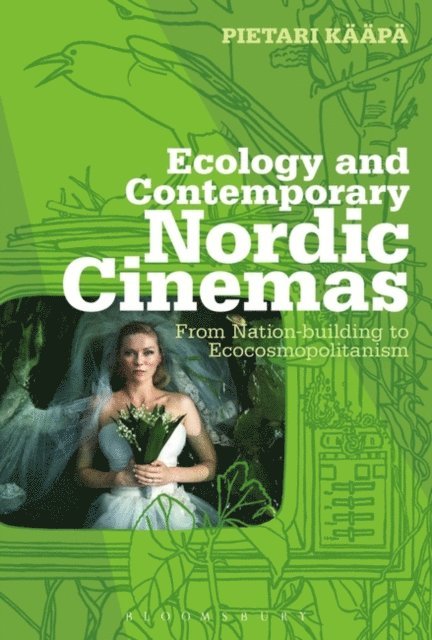
Ecology and Contemporary Nordic Cinemas
From Nation-Building to Ecocosmopolitanism
589 kr
Läs direkt i Bokus Reader – eller ladda ned till din enhet (PDF kräver ofta zoom och scroll på små skärmar).
Du är på sajten för privatpersoner.
589 kr
Läs direkt i Bokus Reader – eller ladda ned till din enhet (PDF kräver ofta zoom och scroll på små skärmar).
Pietari Kääpä is Lecturer in Media and Communications at University of Stirling, UK. His research work synergizes transnational film and media studies with ecocriticism. Kääpä has published widely on transnational Nordic cinema and issues relating to ecocinema, including collections and articles exploring ecocritical concerns in Chinese cinema, in relation to audiences, documentary politics and minority film production.
The quality and depth of the references in this book provide a new platform and focus for ecocinema scholarship... [With] fascinating chapters including studies of deer western and road movies; the horror film; children's film; crime and urban eco-narratives, alongside specific Nordic multicultural and minority concerns, drawing from a broad corpus of films and documentaries. This multi-faceted and convincing study will inspire scholars and help to draw further comparisons with Hollywood and other national cinemas well into the future.
Du är på sajten för privatpersoner.
589 kr
Läs direkt i Bokus Reader – eller ladda ned till din enhet (PDF kräver ofta zoom och scroll på små skärmar).
Pietari Kääpä is Lecturer in Media and Communications at University of Stirling, UK. His research work synergizes transnational film and media studies with ecocriticism. Kääpä has published widely on transnational Nordic cinema and issues relating to ecocinema, including collections and articles exploring ecocritical concerns in Chinese cinema, in relation to audiences, documentary politics and minority film production.
The quality and depth of the references in this book provide a new platform and focus for ecocinema scholarship... [With] fascinating chapters including studies of deer western and road movies; the horror film; children's film; crime and urban eco-narratives, alongside specific Nordic multicultural and minority concerns, drawing from a broad corpus of films and documentaries. This multi-faceted and convincing study will inspire scholars and help to draw further comparisons with Hollywood and other national cinemas well into the future.