E-bok, Engelska, 2013
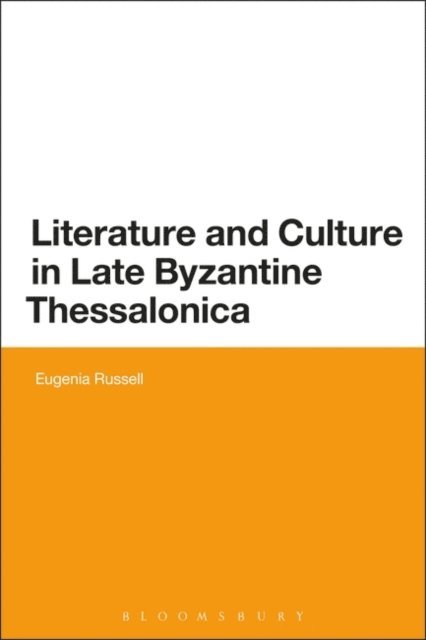
Literature and Culture in Late Byzantine Thessalonica
622 kr
Läs direkt i Bokus Reader – eller ladda ned till din enhet (PDF kräver ofta zoom och scroll på små skärmar).
Beskrivning
Produktinformation
- Utgivningsdatum: 2013-03-28
- Språk: Engelska
- Antal sidor: 208
- Filformat: PDF
- Kopieringsskydd: LCP
- ISBN: 9781441155849
- Förlag: Bloomsbury Publishing PLC (Digital)
Utforska kategorier
Mer om författaren
Eugenia Russell is Lecturer in History at St Mary's University, Twickenham, UK. She is the author of St Demetrius of Thessalonica: Cult and Devotion in the Middle Ages (2010), 'Two Greek excerpts by Johannes Cuno (1463-1513) in London Arundel 550', Renaissance Studies 24 (2010), 'Donors, texts and images. Visualisation of the hagiographical cycle of St Panteleimon' (with Teodora Burnand), Byzantion 81 (2011) and the editor of Spirituality in Late Byzantium (2009).
Recensioner i media
It is a fact that Russell's book offers the reader a different perspective on interesting aspects of the literal and cultural atmosphere of post-Byzantine Thessalonica ... [It is] an important tool for those interested in the Palaiologan era and Byzantine studies generally. The historic, literary and prosopographical information that it provides and the methodology of the research that follows are particularly interesting, in a way that makes the book a useful aid not only for students and young researchers, but also for the scientific world in general.
Betyg & recensioner
0 recensioner
Inga recensioner tillgängliga.