• Fri frakt över 249 kr
  • •
  • Snabba leveranser
  • •
  • Billiga böcker
Kundservice

Du är på sajten för privatpersoner.

Företag, bibliotek eller offentlig verksamhet?

Du handlar på classic.bokus.com, där alla dina funktioner finns intakta.
Till classic.bokus.com
Bokus logotyp. Gå till startsidan.
  • Erbjudanden
  • Nyheter
  • Student
  • Topplistor
  • Barn & ungdom
  • Bokus Play
  • E-böcker
  • Pocketböcker
  • Spel & pussel

10% rabatt på allt med kod: NYSTART10 →

Sidfot

Mina sidor

    Hjälp

    • Kundservice
    • Vanliga frågor och svar
    • Frakt och leverans
    • Retur vid ångerrätt
    • Reklamera vara
    • Betalning
    • Köpvillkor
    • Allmänna villkor
    • Information om webbplatsens tillgänglighet

    Om Bokus

    • Om oss
    • Pressrum
    • För studenter
    • För företag
    • För bibliotek och offentlig verksamhet
    • För leverantörer
    • Hållbarhet

    Populärt

    • Aktuella erbjudanden
    • Presentkort
    • Studentlitteratur
    • Nya böcker
    • Topplistor
    • Signerade böcker
    • Engelska böcker

    Inspiration

    • Boktips
    • BookTok
    • Populära bokserier
    • Barnbokskaraktärer
    • Populära författare
    Logotyp för Bokus
    Följ oss på Facebook (extern länk)Följ oss på Instagram (extern länk)Följ oss på YouTube (extern länk)Följ oss på TikTok (extern länk)
    bokus @ CookiesAnpassa cookiesIntegritetspolicyKöpvillkor
    Till Citymail hemsida (extern länk)Till Budbee hemsida (extern länk)Till Postnord hemsida (extern länk)Till Schenker hemsida (extern länk)Till Early Bird hemsida (extern länk)Till Walleys hemsida (extern länk)
    1. Samhälle och politik
    2. Samhälle och kultur
    3. Sociala och etiska frågor

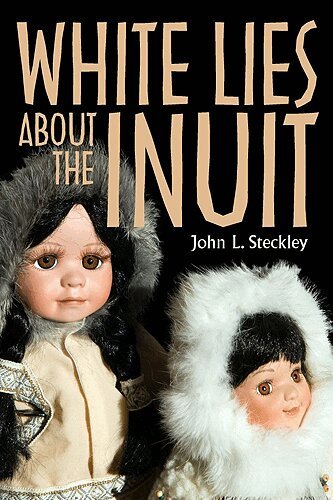
    White Lies About the Inuit

    AvJohn Steckley

    E-bok
    PDF, Engelska, 2013

    Del i serien Teaching Culture: UTP Ethnographies for the Classroom

    342 kr

    Läs direkt i Bokus Reader – eller ladda ned till din enhet (PDF kräver ofta zoom och scroll på små skärmar).

    Fler format och utgåvor

    E-bok

    342 kr

    Häftad

    317 kr

    Beskrivning

    The Inuit are a familiar part of Canadian identity but also exotic residing in the remote Arctic. The mix of the familiar and the exotic has resulted in the creation and perpetuation of a number of "White Lies." These are stories that have been developed over long periods of time, reproduced in classrooms, anthropology and sociology textbooks, and other media, but have been rarely challenged, contributing to misunderstandings that have ultimately, in subtle ways, diminished the stature of Inuit traditional culture. In this lively book, designed specifically for introductory students, Steckley unpacks three "White Lies"-the myth that there are fifty-two words for snow, that there are blond, blue-eyed Inuit descended from the Vikings, and that the Inuit send off their elders to die on ice floes. Debunking these popular myths allows him to illustrate how knowledge is shaped by Western social science, particularly the anthropology of the "Other," and that it can be flawed. In the process, students learn not only about Inuit culture, but about the difference between popular and scholarly research.

    Produktinformation

    • Utgivningsdatum:2013-04-29
    • Språk:Engelska
    • Antal sidor:176
    • Filformat:PDF
    • Kopieringsskydd:LCP
    • ISBN:9781442603332
    • Förlag:University of Toronto Press
    • Serie:Teaching Culture: UTP Ethnographies for the Classroom
    • Dimensioner:152 x 229 x 25 mm
    • Vikt:1 g

    Utforska kategorier

    • Sociala och etiska frågor inom Samhälle och politik
    • Etnicitet inom Samhälle och politik
    • Antropologi inom Samhälle och politik

    Mer om författaren

    John Steckley teaches Anthropology at Humber College in Toronto. He is the author of Aboriginal Voices and the Politics of Representation in Canadian Sociology Textbooks (Canadian Scholars' Press) and Words of the Huron (Wilfrid Laurier University Press).

    Innehållsförteckning

    • Chapter 1: Imagining the Inuit Arctic Urban Legends Learning about the Eskimo See You in the Movies "In This Movie, You Will Be an Eskimo" White Lies Not Included The Word Eskimo and Its Meanings Does Eating Raw Mean Eating People Raw? Who Are You Calling Inuit, White Man? Part of a Larger Picture Chapter 2: Four Major White Figures Franz Boas: A Paternalistic Father of Anthropology Stefansson and Jenness: Two Polar Opposites Farley Mowat: Subjective Non-fiction, Essential Truths, or Fxxx the Facts? Conclusion Chapter 3: Fifty-two Words for Snow A Source of Humour: Jokes about Inuit Snow Terms It All Began with Boas Enter Diamond Jenness Benjamin Whorf Downplaying the Number of Inuit Snow Terms: An Ignored Source The Birth of 20 Snow Terms: A Sociological Tradition Since 1968 Numbers Ending with Two: 52, 42, 32, 22 Farley Mowat Takes the Number to an Artistic High: 100 How Do Inuktitut and English Differ in Terms for Snow? English Is Good in the Snow, Too So How Many "Words" Are There for Snow? Seven Primary Terms for Snow Negative Implications of the Inuit Snow Term Cliche Summary Chapter 4: The Myth of the Blond Eskimo The Blond Eskimo: A Popular Figure The Copper Inuit First Contact Lost Races Stefansson Discovers the Blond Eskimo and Finds Funding The Greenland Norse and Their Fate The Blond Eskimo Captures the Literary Imagination Jenness Takes Up the Challenge The Return of the Blond Eskimo Negative Implications of the Blond Eskimo Chapter 5: Elders on Ice A Popular Story: Going with the Floes Why Shouldn't You Believe the Story? When is Abandonment Really Abandonment? The Deep Roots of This Myth: Beginnings as Euthanasia Growing the Myth Altruistic Suicide, Mores, and Cultural Relativism Anthropologists Introduce Environmental Causality Balikci Uses Psychology to Blame the Victim Guemple Uses Anthropology to Blame the Victim Colonial Contact: A Neglected Causality Farley Mowat Popularizes Inuit Elder Abandonment and Suicide Inuit Suicide Today Chapter 6: The Lies Do Not Stand Alone Inuit Snow Terms, Hanunoo Rice Terms, and Nuer Cow Colours The Blond Eskimo: Atlanteans, Welsh Princes, and the Irish Sati The Inuit as a Canadian Construct Best in the Bush  Conclusion Works Cited Index