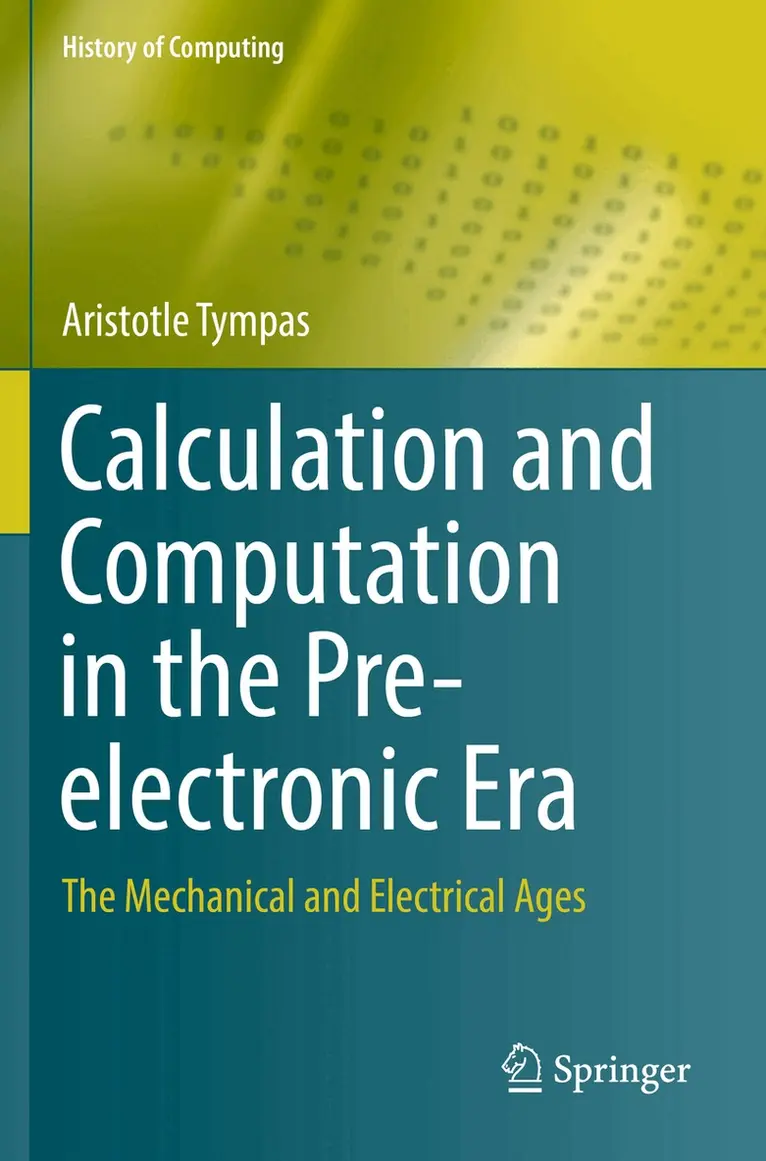
Häftad, Engelska, 2019
Calculation and Computation in the Pre-electronic Era
420 kr
Beställningsvara. Skickas inom 10-15 vardagar. Fri frakt över 249 kr.
Beskrivning
Although it is popularly assumed that the history of computing before the second half of the 20th century was unimportant, in fact the Industrial Revolution was made possible and even sustained by a parallel revolution in computing technology. An examination and historiographical assessment of key developments helps to show how the era of modern electronic computing proceeded from a continual computing revolution that had arisen during the mechanical and the electrical ages.This unique volume introduces the history of computing during the “first” (steam) and “second” (electricity) segments of the Industrial Revolution, revealing how this history was pivotal to the emergence of electronic computing and what many historians see as signifying a shift to a post-industrial society. It delves into critical developments before the electronic era, focusing on those of the mechanical era (from the emergence of the steam engine to that of the electric power network) and the electrical era (from the emergence of the electric power network to that of electronic computing). In so doing, it provides due attention to the demarcations between—and associated classifications of—artifacts for calculation during these respective eras. In turn, it emphasizes the history of comparisons between these artifacts.Topics and Features:motivates exposition through a firm historiographical argument of important developmentsexplores the history of the slide rule and its use in the context of electrificationexamines the roles of analyzers, graphs, and a whole range of computing artifacts hitherto placed under the allegedly inferior class of analog computersshows how the analog and the digital are really inseparable, with perceptions thereof depending on either a full or a restricted view of the computing processinvestigates socially situated comparisons of computing history, including the effects of a politicaleconomy of computing (one that takes into account cost and ownership of computing artifacts)assesses concealment of analog-machine labor through encasement (“black-boxing”)Historians of computing, as well as those of technology and science (especially, energy), will find this well-argued and presented history of calculation and computation in the mechanical and electrical eras an indispensable resource. The work is a natural textbook companion for history of computing courses, and will also appeal to the broader readership of curious computer scientists and engineers, as well as those who generally just have a yearn to learn the contextual background to the current digital age."In this fascinating, original work, Tympas indispensably intertwines the histories of analog and digital computing, showing them to be inseparable from the evolution of social and economic conditions. " Prof. David Mindell, MIT
Produktinformation
- Utgivningsdatum: 2019-04-24
- Mått: 155 x 235 x 15 mm
- Vikt: 400 g
- Format: Häftad
- Språk: Engelska
- Serie: History of Computing
- Antal sidor: 243
- Förlag: Springer London Ltd
- ISBN: 9781447174103
Utforska kategorier
Betyg & recensioner
0 recensioner
Inga recensioner tillgängliga.