Häftad, Engelska, 2012
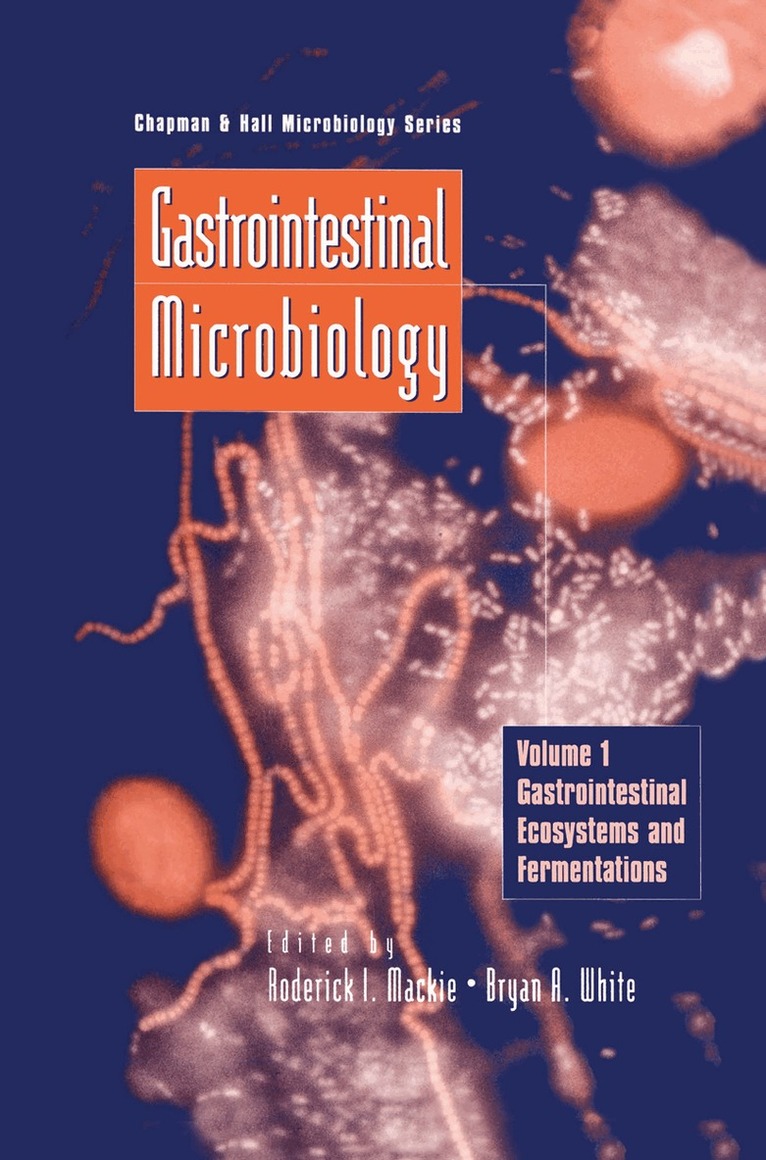
Gastrointestinal Microbiology
Av Roderick Mackie, Bryan White
2194 kr
Skickas inom 10-15 vardagar
Beskrivning
Extremely diverse and complicated bacterial and protozoan populations inhabit the rumen and intestinal tract of animals, and there is a delicate balance among the individual populations within this complex microbial community. This authoritative edited volume, the first in a two-volume set, reviews the gut environment and the fermentations taking place in animal digestive tracts. It is an essential source of reference for microbial ecologists and physiologists, medical microbiologists and gastroenterologists, biochemists, nutritionists, veterinarians and animal scientists, and wildlife ecologists.
Produktinformation
- Utgivningsdatum: 2012-10-31
- Mått: 155 x 235 x 40 mm
- Vikt: 1 014 g
- Format: Häftad
- Språk: Engelska
- Serie: Chapman & Hall Microbiology Series
- Antal sidor: 658
- Förlag: Springer-Verlag New York Inc.
- ISBN: 9781461368434
Utforska kategorier
Betyg & recensioner
0 recensioner
Inga recensioner tillgängliga.