• Fri frakt över 249 kr
  • •
  • Snabba leveranser
  • •
  • Billiga böcker
Kundservice

Du är på sajten för privatpersoner.

Företag, bibliotek eller offentlig verksamhet?

Du handlar på classic.bokus.com, där alla dina funktioner finns intakta.
Till classic.bokus.com
Bokus logotyp. Gå till startsidan.
  • Erbjudanden
  • Nyheter
  • Student
  • Topplistor
  • Barn & ungdom
  • Bokus Play
  • E-böcker
  • Pocketböcker
  • Spel & pussel

10% rabatt på allt med kod: NYSTART10 →

Sidfot

Mina sidor

    Hjälp

    • Kundservice
    • Vanliga frågor och svar
    • Frakt och leverans
    • Retur vid ångerrätt
    • Reklamera vara
    • Betalning
    • Köpvillkor
    • Allmänna villkor
    • Information om webbplatsens tillgänglighet

    Om Bokus

    • Om oss
    • Pressrum
    • För studenter
    • För företag
    • För bibliotek och offentlig verksamhet
    • För leverantörer
    • Hållbarhet

    Populärt

    • Aktuella erbjudanden
    • Presentkort
    • Studentlitteratur
    • Nya böcker
    • Topplistor
    • Signerade böcker
    • Engelska böcker

    Inspiration

    • Boktips
    • BookTok
    • Populära bokserier
    • Barnbokskaraktärer
    • Populära författare
    Logotyp för Bokus
    Följ oss på Facebook (extern länk)Följ oss på Instagram (extern länk)Följ oss på YouTube (extern länk)Följ oss på TikTok (extern länk)
    bokus @ CookiesAnpassa cookiesIntegritetspolicyKöpvillkor
    Till Citymail hemsida (extern länk)Till Budbee hemsida (extern länk)Till Postnord hemsida (extern länk)Till Schenker hemsida (extern länk)Till Early Bird hemsida (extern länk)Till Walleys hemsida (extern länk)
    1. Samhälle och politik
    2. Samhälle och kultur
    3. Kultur och medier
    4. Kulturvetenskap

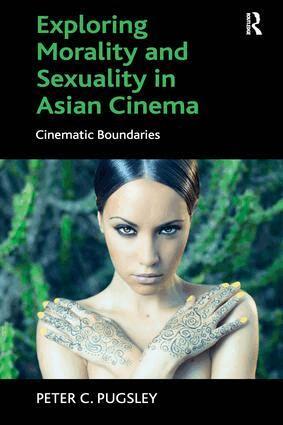
    Exploring Morality and Sexuality in Asian Cinema

    Cinematic Boundaries

    AvPeter C. Pugsley

    Inbunden, Engelska, 2015

    2 421 kr

    Beställningsvara. Skickas inom 5-8 vardagar. Fri frakt över 249 kr.

    Fler format och utgåvor

    Häftad

    667 kr

    E-bok

    788 kr

    E-bok

    788 kr

    Beskrivning

    This ground-breaking book explores the moral dimensions of sexual imagery in contemporary, general-release Asian films. It examines debates that arise over aesthetic styles and the cultural and traditional influences that determine the content and impact of these films. The social and regulatory environments for filmmakers across Asia reflect distinct national and cultural differences. In just the past decade, for instance, Indian cinema has rapidly moved from representations of coy and submissive female protagonists to highly eroticized leading ladies unafraid of flaunting their sexuality. On the other hand, the cinema emerging from the Chinese mainland has been much more circumspect in its representations of overt sexuality, at times in conflict with other Chinese cinemas from Hong Kong and Taiwan. This use of sexual imagery or morally questionable film content raises on-going debates into censorship and the use of state or industry controls to protect certain sectors of society from exposure to particular narratives or images. Film, like all forms of art, fulfils a number of aesthetic functions for local, regional and international audiences. As distribution and technological advances make Asian films more readily available across the globe, an understanding of the different aesthetics at play will enable readers of this book to recognize key cultural motifs in representations of onscreen sexuality and the surrounding controversies found in cinematic texts from Asia.

    Produktinformation

    • Utgivningsdatum:2015-12-04
    • Mått:156 x 234 x 18 mm
    • Vikt:520 g
    • Format:Inbunden
    • Språk:Engelska
    • Antal sidor:194
    • Förlag:Taylor & Francis Ltd
    • ISBN:9781472466709

    Utforska kategorier

    • Kulturvetenskap inom Samhälle och politik
    • Film inom Kultur

    Mer om författaren

    Dr. Peter C. Pugsley is Senior Lecturer in the Department of Media at the University of Adelaide in South Australia. He teaches in the subjects Asian Screen Media, Advanced Media Theory, Broadcast TV & Radio, and Japanese Media Cultures (taught in Kyoto, Japan). Peter was formerly based in the Media and Communications Program at the University of Melbourne, Australia, and also taught in the MA (Communications) at RMIT University. In October 2011 he was a Visiting Research fellow at Sophia University, Tokyo. In 2013 he published the sole-authored monograph Tradition, Culture and Aesthetics in Contemporary Asian Cinema (Ashgate). His published work has appeared in refereed journals including Asian Studies Review, International Communication Gazette, Asian Journal of Communication, Continuum: Journal of Media & Cultural Studies and Westminster Papers on Communication and Culture. Recent book chapters include 'Hong Kong Film as Crossover Cinema: Maintaining the HK Aesthetic', in Crossover Cinema: Cross-Cultural Film from Production to Reception, (2013) edited by Sukhmani Khorana, Routledge, and ’Asia: The Nationalist Geopolitics of India's Hindi Cinema’, in The Routledge Companion to Film and Politics (2014), edited by Yannis Tzioumakis and Claire Molloy, Routledge, London.

    Recensioner i media

    ’Pugsley offers fresh perspectives on how contemporary Asian cinemas are transforming by challenging the cultural policy regimes that historically have shaped the ways in which their films represent gender and sexuality on screen. This book is key reading for anyone interested in peering into the rise and transformation of Asia and learning more about a bevy of dynamic filmmakers and films that are pushing the boundaries of self-expression and cultural diversity in the region.’ Brian Yecies, University of Wollongong, Australia; author of The Changing Face of Korean Cinema, 1960-2015

    Innehållsförteckning

    • List of Figures viiList of Tables ixAcknowledgements xiIntroduction 11 Indian Cinema’s New Aesthetic 132 Visual Decorum and Chasteness in Chinese Film 413 Maintaining Respectability in Singaporean and Malaysian Cinema 734 An Open Mind: Japanese Cinema’s Sexual Revolution 995 Culture, Tradition and Sexuality in South Korean Cinema 117Conclusion 131Films Cited 141Bibliography 149Index