• Fri frakt över 249 kr
  • •
  • Snabba leveranser
  • •
  • Billiga böcker
Kundservice

Du är på sajten för privatpersoner.

Företag, bibliotek eller offentlig verksamhet?

Du handlar på classic.bokus.com, där alla dina funktioner finns intakta.
Till classic.bokus.com
Bokus logotyp. Gå till startsidan.
  • Erbjudanden
  • Nyheter
  • Student
  • Topplistor
  • Barn & ungdom
  • Bokus Play
  • E-böcker
  • Pocketböcker
  • Spel & pussel

10% rabatt på allt med kod: NYSTART10 →

Sidfot

Mina sidor

    Hjälp

    • Kundservice
    • Vanliga frågor och svar
    • Frakt och leverans
    • Retur vid ångerrätt
    • Reklamera vara
    • Betalning
    • Köpvillkor
    • Allmänna villkor
    • Information om webbplatsens tillgänglighet

    Om Bokus

    • Om oss
    • Pressrum
    • För studenter
    • För företag
    • För bibliotek och offentlig verksamhet
    • För leverantörer
    • Hållbarhet

    Populärt

    • Aktuella erbjudanden
    • Presentkort
    • Studentlitteratur
    • Nya böcker
    • Topplistor
    • Signerade böcker
    • Engelska böcker

    Inspiration

    • Boktips
    • BookTok
    • Populära bokserier
    • Barnbokskaraktärer
    • Populära författare
    Logotyp för Bokus
    Följ oss på Facebook (extern länk)Följ oss på Instagram (extern länk)Följ oss på YouTube (extern länk)Följ oss på TikTok (extern länk)
    bokus @ CookiesAnpassa cookiesIntegritetspolicyKöpvillkor
    Till Citymail hemsida (extern länk)Till Budbee hemsida (extern länk)Till Postnord hemsida (extern länk)Till Schenker hemsida (extern länk)Till Early Bird hemsida (extern länk)Till Walleys hemsida (extern länk)
    1. Kultur
    2. Konstböcker
    3. Konsthistoria

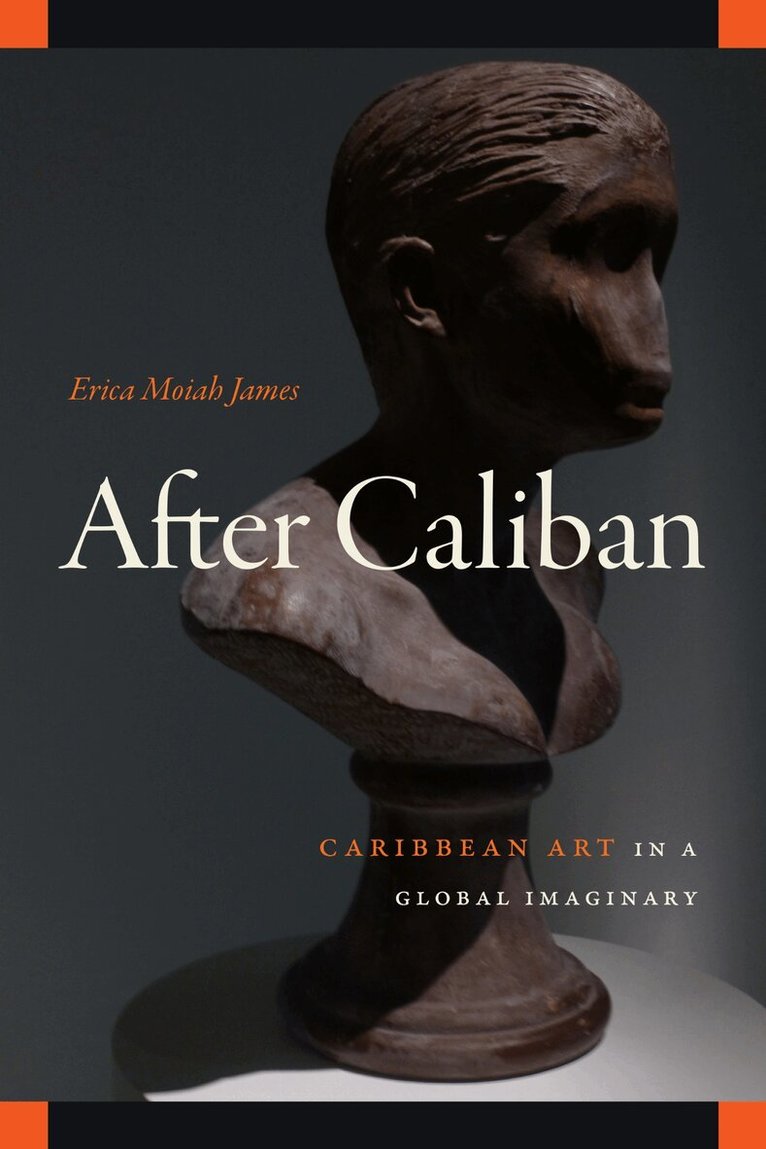
    After Caliban

    Caribbean Art in a Global Imaginary

    AvErica Moiah James

    Häftad, Engelska, 2025

    Del i serien Visual Arts of Africa and Its Diasporas

    373 kr

    Beställningsvara. Skickas inom 5-8 vardagar. Fri frakt över 249 kr.

    Fler format och utgåvor

    Inbunden

    1 416 kr

    Beskrivning

    In After Caliban, Erica Moiah James examines the rise of global Caribbean artists in the 1990s and their production of a decolonized art history for the Caribbean. She draws on AimÉ CÉsaire’s rewriting of Shakespeare’s The Tempest, in which Caliban becomes the sole author of his own story, dissolving his fixed position as colonized in relation to Prospero as colonizer. James shows how visual artists such as Marc Latamie, Janine Antoni, Belkis AyÓn, Edouard Duval-CarriÉ, and Christopher Cozier followed CÉsaire’s model by employing a range of practices and methodologies that refused marginalization. Just as CÉsaire decolonized The Tempest, so too did these artists, who crafted a decolonial aesthetic that redefined their own cultural and historical narratives and positioned art as a key pathway toward a postcolonial future. By providing the foundation for a postcolonial, post-Caliban art world, these artists redefined the critical and popular notion of contemporary Caribbean art. At the same time, James argues, they fulfilled CÉsaire’s dream for a postcolonial Caribbean while creating a nonhegemonic art historical practice that exists beyond modern binaries and borders.

    Produktinformation

    • Utgivningsdatum:2025-09-09
    • Mått:152 x 229 x 16 mm
    • Vikt:445 g
    • Format:Häftad
    • Språk:Engelska
    • Serie:Visual Arts of Africa and Its Diasporas
    • Antal sidor:304
    • Förlag:Duke University Press
    • ISBN:9781478032137

    Utforska kategorier

    • Konsthistoria inom Kultur
    • Etnicitet inom Samhälle och politik

    Mer om författaren

    Erica Moiah James is Associate Professor in the Department of Art and Art History at the University of Miami and Non-Resident Senior Research Fellow at the Visual Identities in Art and Design Research Centre, University of Johannesburg.

    Recensioner i media

    “By thinking art history from and with the Caribbean, Erica Moiah James demands a reorientation and expansion of the theoretical toolkit used to understand the region. Her questioning of the analytical purchase of Caliban disturbs the taken-for-grantedness of earlier examinations of the Caribbean while opening up space for how we might think it otherwise. After Caliban will be of great significance, having an important impact on the field of art history, especially in this moment as attempts are being made to decolonize the discipline.” - Wayne Modest, Professor of Material Culture and Critical Heritage Studies, Vrije Universiteit Amsterdam “Insightful, transformative, and a must read, After Caliban centers artists working in the 1990s who newly reenvisioned history and the world from a Caribbean perspective and offered a decolonial critique of art history in the process.” - Krista A. Thompson, author of Shine: The Visual Economy of Light in African Diasporic Aesthetic Practice

    Innehållsförteckning

    • Acknowledgments  viiIntroduction. “Wat Wrong wit Dis Place?”  11. From Behind God’s Back: Janine Antoni’s Embodied Histories  372. Meeting in the Upper Room: Belkis AyÓn’s La Cena, 1988–1993  773. Historical Drag: Genre, Violence, and History in Edouard Duval-CarriÉ’s Mardigras at Fort Dimanche, 1992  1214. The Caribbean Does Not Exist: Maurizio Cattelan’s 6th Caribbean Biennial, 1999  1635. “Wrong Way” Lenny, Tempests, and Other DÈtournements  205Notes  223Bibliography  259Index