• Fri frakt över 249 kr
  • •
  • Snabba leveranser
  • •
  • Billiga böcker
Kundservice

Du är på sajten för privatpersoner.

Företag, bibliotek eller offentlig verksamhet?

Du handlar på classic.bokus.com, där alla dina funktioner finns intakta.
Till classic.bokus.com
Bokus logotyp. Gå till startsidan.
  • Erbjudanden
  • Nyheter
  • Student
  • Topplistor
  • Barn & ungdom
  • Bokus Play
  • E-böcker
  • Pocketböcker
  • Spel & pussel

10% rabatt på allt med kod: NYSTART10 →

Sidfot

Mina sidor

    Hjälp

    • Kundservice
    • Vanliga frågor och svar
    • Frakt och leverans
    • Retur vid ångerrätt
    • Reklamera vara
    • Betalning
    • Köpvillkor
    • Allmänna villkor
    • Information om webbplatsens tillgänglighet

    Om Bokus

    • Om oss
    • Pressrum
    • För studenter
    • För företag
    • För bibliotek och offentlig verksamhet
    • För leverantörer
    • Hållbarhet

    Populärt

    • Aktuella erbjudanden
    • Presentkort
    • Studentlitteratur
    • Nya böcker
    • Topplistor
    • Signerade böcker
    • Engelska böcker

    Inspiration

    • Boktips
    • BookTok
    • Populära bokserier
    • Barnbokskaraktärer
    • Populära författare
    Logotyp för Bokus
    Följ oss på Facebook (extern länk)Följ oss på Instagram (extern länk)Följ oss på YouTube (extern länk)Följ oss på TikTok (extern länk)
    bokus @ CookiesAnpassa cookiesIntegritetspolicyKöpvillkor
    Till Citymail hemsida (extern länk)Till Budbee hemsida (extern länk)Till Postnord hemsida (extern länk)Till Schenker hemsida (extern länk)Till Early Bird hemsida (extern länk)Till Walleys hemsida (extern länk)
    1. Kultur
    2. Konstböcker
    3. Konsthistoria
    • Nyhet

    From Bayou Teche to Fifth Avenue

    How Basket Diplomacy Saved the Chitimacha Indian Nation

    AvDaniel H. Usner

    Inbunden, Engelska, 2026

    Del i serien New Visions in Native American and Indigenous Studies

    804 kr

    Skickas . Fri frakt över 249 kr.

    Beskrivning

    Daniel H. Usner offers a cultural, political, and social history of the Chitimacha Tribe in South Louisiana and its struggle for political sovereignty. Between the 1890s and 1940s, Chitimacha Indian women in South Louisiana – with extraordinary baskets they created from rivercane – strategically built a network of allies that originated in a relationship with neighboring white women and that would eventually extend across the United States. Responding resourcefully to renewed interest in their basketry largely driven by the arts and crafts market and ethnographic collection, the Chitimachas were able to contact individuals and groups far from their home who possessed potential influence on government policy. Confronting at the same time perilous threats to their land, autonomy, and even their lives in the Jim Crow South, women in this Indigenous community were inessence weaving political allies as they wove their rivercane baskets.Besides the considerable revenue Chitimacha baskets brought to tribal coffers, the story of the Chitimacha people and their predicament gained attention as their basketry appeared in major art gallery shows and museums and was sought by art collectors. By expanding the view beyond southern Louisiana and tracking the nationwide circulation of Chitimacha basketry, From Bayou Teche to Fifth Avenue illustrates how Indigenous people in North America have creatively confronted adversity and peril with aesthetic forms of expression.

    Produktinformation

    • Utgivningsdatum:2026-08-07
    • Mått:152 x 229 x 36 mm
    • Vikt:788 g
    • Format:Inbunden
    • Språk:Engelska
    • Serie:New Visions in Native American and Indigenous Studies
    • Antal sidor:416
    • Förlag:University of Nebraska Press
    • ISBN:9781496246691

    Utforska kategorier

    • Konsthistoria inom Kultur
    • Etnicitet inom Samhälle och politik
    • Sömnad och handarbete inom Sport, fritid och hobby

    Mer om författaren

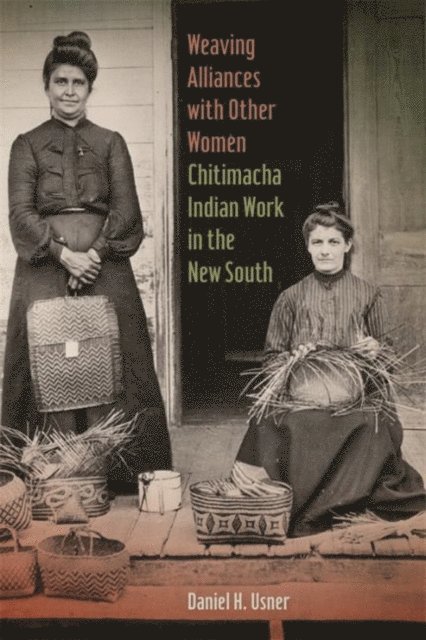
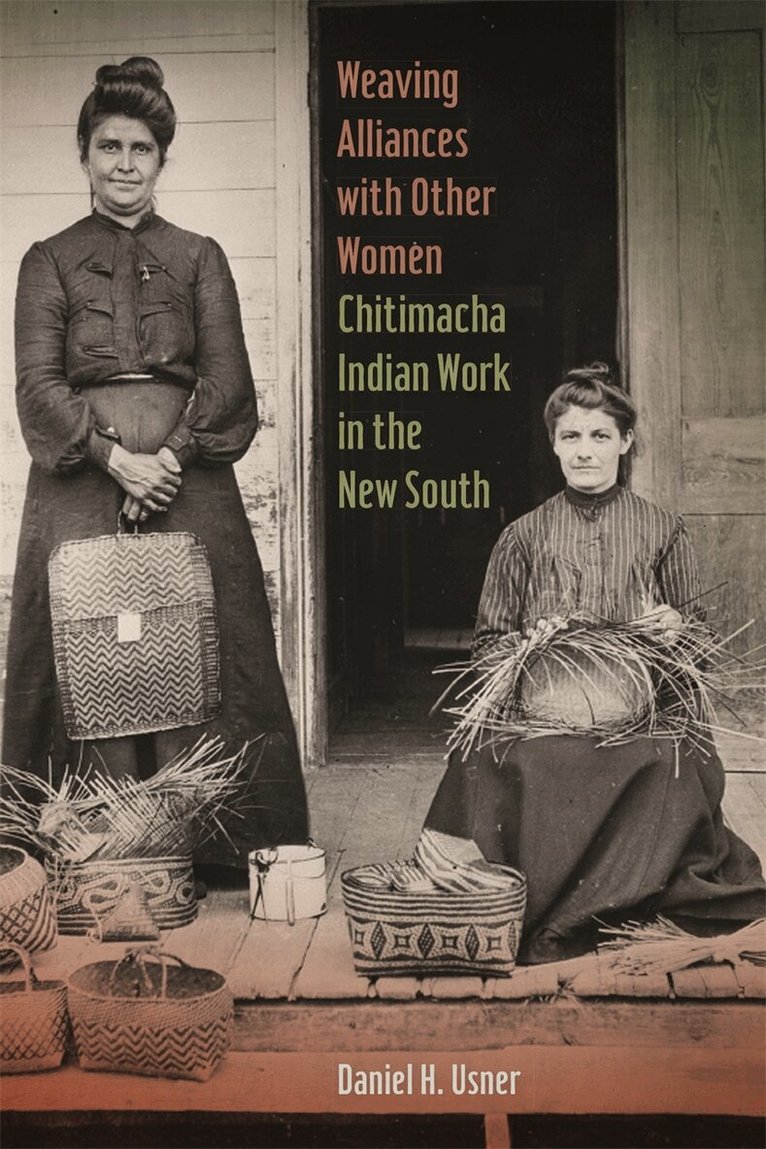
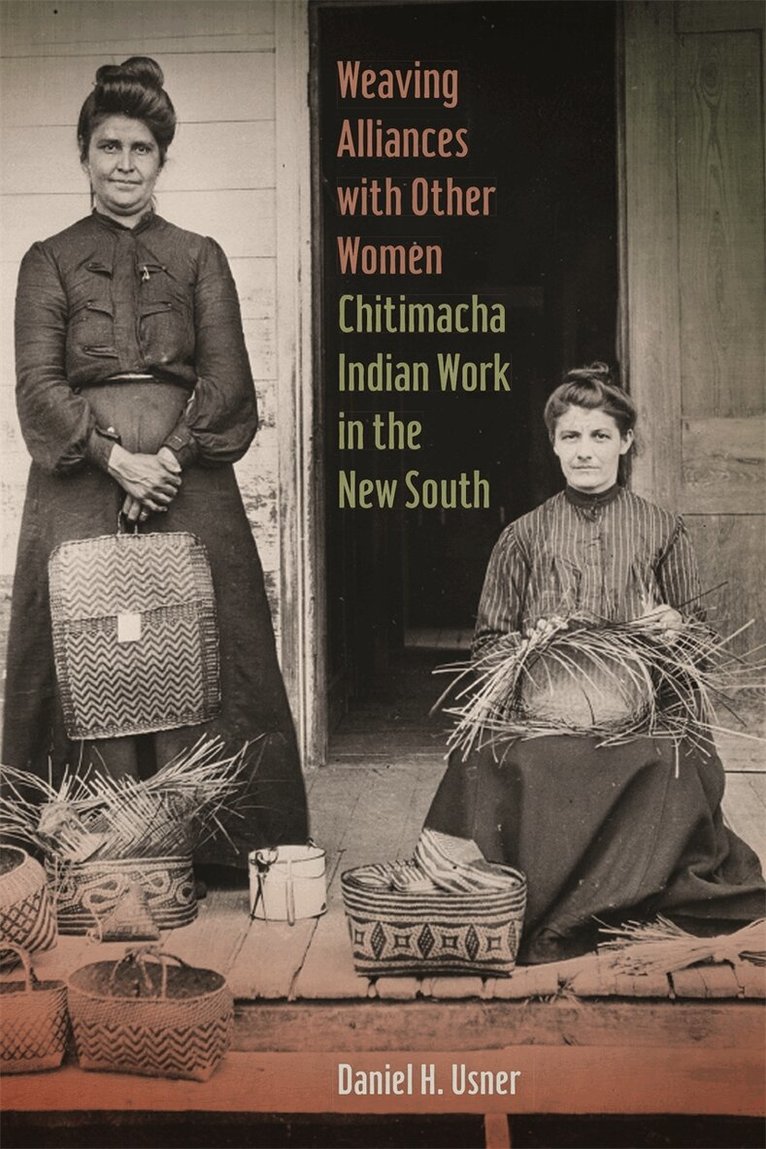
    Daniel H. Usner is Holland N. McTyeire Professor Emeritus of History at Vanderbilt University. He is the author of Native American Women and the Burdens of Southern History and Weaving Alliances with Other Women: Chitimacha Indian Work in the New South, among other books. In 2024 Usner was awarded the Lifetime Achievement Award from the American Society of Ethnohistory.

    Recensioner i media

    "Intimately grounded on the banks of Bayou Teche, but reaching far beyond, Daniel Usner celebrates the incredible Chitimacha women and their white allies who preserved community by weaving baskets as well as personal connections. The result is a powerful tribute to the women whose fight to save their nation changed America."—Cathleen D. Cahill, author of Federal Fathers and Mothers: A Social History of the United States Indian Service, 1869–1933"Truly a remarkable piece of scholarship! The depth and breadth of coverage is amazing. Daniel Usner takes the history of a much-neglected tribe and links it to broad themes of race, class, gender, and the environment across U.S. history, and he covers several genres of historical study to boot. From Bayou Teche to Fifth Avenue is an eminently readable text that will appeal to people with a broad range of interests."—Katherine M. B. Osburn, author of Choctaw Resurgence in Mississippi: Race, Class, and Nation Building in the Jim Crow South, 1830–1977"In From Bayou Teche to Fifth Avenue, Chitimacha women take center stage as artists, negotiators, and defenders of their nation. . . . With clarity and eloquence, historian Daniel Usner reveals how [Chitimacha] 'basket diplomacy' became both political resistance and cultural endurance. Brimming with vivid detail and amplifying overlooked voices, this book makes a powerful contribution to art history, Indigenous studies, and political history as a testament to resilience, creativity, and Indigenous leadership."—Denise E. Bates, author of Basket Diplomacy: Leadership, Alliance-Building, and Resilience among the Coushatta Tribe of Louisiana, 1884–1984

    Innehållsförteckning

    • List of IllustrationsIntroduction: Christmas Morning on Bayou Teche, 19011. Chitimacha Diplomacy in Early Louisiana2. Surviving in Sugarcane Country3. Finding Mary McIlhenny Bradford4. Christine Paul Weaves and Writes for Her People5. Mary Bradford and Neltje Doubleday Form a Partnership6. Craving Indian Baskets7. In the Hands of Anthropologists8. Going to School at Carlisle9. Saving Chitimacha Land10. New Deal for Indian Art11. Turning to Caroline DormonConclusion: The Legacy of Basket DiplomacyAcknowledgmentsNotesBibliographyIndex