• Fri frakt över 249 kr
  • •
  • Snabba leveranser
  • •
  • Billiga böcker
Kundservice

Du är på sajten för privatpersoner.

Företag, bibliotek eller offentlig verksamhet?

Du handlar på classic.bokus.com, där alla dina funktioner finns intakta.
Till classic.bokus.com
Bokus logotyp. Gå till startsidan.
  • Erbjudanden
  • Nyheter
  • Student
  • Topplistor
  • Barn & ungdom
  • Bokus Play
  • E-böcker
  • Pocketböcker
  • Spel & pussel

10% rabatt på allt med kod: NYSTART10 →

Sidfot

Mina sidor

    Hjälp

    • Kundservice
    • Vanliga frågor och svar
    • Frakt och leverans
    • Retur vid ångerrätt
    • Reklamera vara
    • Betalning
    • Köpvillkor
    • Allmänna villkor
    • Information om webbplatsens tillgänglighet

    Om Bokus

    • Om oss
    • Pressrum
    • För studenter
    • För företag
    • För bibliotek och offentlig verksamhet
    • För leverantörer
    • Hållbarhet

    Populärt

    • Aktuella erbjudanden
    • Presentkort
    • Studentlitteratur
    • Nya böcker
    • Topplistor
    • Signerade böcker
    • Engelska böcker

    Inspiration

    • Boktips
    • BookTok
    • Populära bokserier
    • Barnbokskaraktärer
    • Populära författare
    Logotyp för Bokus
    Följ oss på Facebook (extern länk)Följ oss på Instagram (extern länk)Följ oss på YouTube (extern länk)Följ oss på TikTok (extern länk)
    bokus @ CookiesAnpassa cookiesIntegritetspolicyKöpvillkor
    Till Citymail hemsida (extern länk)Till Budbee hemsida (extern länk)Till Postnord hemsida (extern länk)Till Schenker hemsida (extern länk)Till Early Bird hemsida (extern länk)Till Walleys hemsida (extern länk)
    1. Historia och arkeologi
    2. Historia
    3. Historia: särskilda händelser och ämnen
    4. Socialhistoria och kulturhistoria

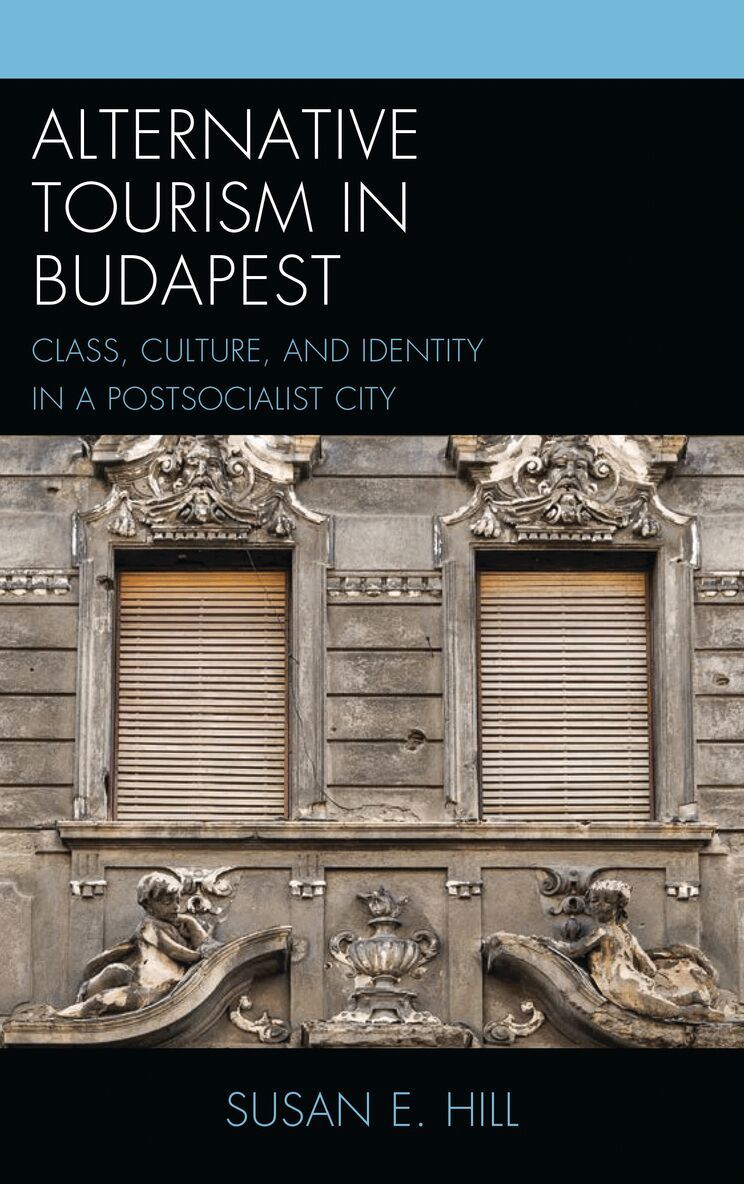
    Alternative Tourism in Budapest

    Class, Culture, and Identity in a Postsocialist City

    AvSusan E. Hill

    Inbunden, Engelska, 2017

    Del i serien Anthropology of Tourism: Heritage, Mobility, and Society

    1 150 kr

    Beställningsvara. Skickas inom 10-15 vardagar. Fri frakt över 249 kr.

    Beskrivning

    Alternative Tourism in Budapest: Class, Culture, and Identity in a Postsocialist City analyzes the particular imaginaries of Hungarian culture that are produced and circulated through alternative tourism a generation after state socialism. Susan Hill records the everyday work of business owners and tour guides at four Budapest alternative tourism companies that lead tourists to areas not typically visited by travelers, and she considers the significance of alternative tourism work for processes of identity-making and cultural production in Budapest. This ethnographic study is recommended for scholars of anthropology, cultural studies, and political science.

    Produktinformation

    • Utgivningsdatum:2017-02-03
    • Mått:159 x 240 x 15 mm
    • Vikt:363 g
    • Format:Inbunden
    • Språk:Engelska
    • Serie:Anthropology of Tourism: Heritage, Mobility, and Society
    • Antal sidor:122
    • Förlag:Bloomsbury Publishing Plc
    • ISBN:9781498528641

    Utforska kategorier

    • Socialhistoria och kulturhistoria inom Historia och arkeologi
    • Servicesektorn inom Ekonomi och Ledarskap
    • Antropologi inom Samhälle och politik

    Mer om författaren

    Susan E. Hill is PhD candidate at the University of Wisconsin–Milwaukee.

    Recensioner i media

    Susan Hill offers an original take on tourism, one that is equally interested in the production of the imaginary of a place and its producer, the tour guide. Alternative Tourism in Budapest is fascinating, provocative, and entertaining, if also troubling in the depiction of how the business of ‘going off the beaten path’ can seamlessly melt into the logic of neoliberal urbanism.

    Innehållsförteckning

    • PrefaceAcknowledgmentsIntroduction: Ethnography in the “Hidden” BudapestChapter One: Sketching an Illiberal BudapestChapter Two: Tourism in Budapest and Its ImaginariesChapter Three: Alt-entrepreneurship and the Meanings of AlterityChapter Four: Alt-guiding on the Pericapitalist EdgesChapter Five: Touring the Post-socialist, TranscendentConclusion