• Fri frakt över 249 kr
  • •
  • Snabba leveranser
  • •
  • Billiga böcker
Kundservice

Du är på sajten för privatpersoner.

Företag, bibliotek eller offentlig verksamhet?

Du handlar på classic.bokus.com, där alla dina funktioner finns intakta.
Till classic.bokus.com
Bokus logotyp. Gå till startsidan.
  • Erbjudanden
  • Nyheter
  • Student
  • Topplistor
  • Barn & ungdom
  • Bokus Play
  • E-böcker
  • Pocketböcker
  • Spel & pussel

10% rabatt på allt med kod: NYSTART10 →

Sidfot

Mina sidor

    Hjälp

    • Kundservice
    • Vanliga frågor och svar
    • Frakt och leverans
    • Retur vid ångerrätt
    • Reklamera vara
    • Betalning
    • Köpvillkor
    • Allmänna villkor
    • Information om webbplatsens tillgänglighet

    Om Bokus

    • Om oss
    • Pressrum
    • För studenter
    • För företag
    • För bibliotek och offentlig verksamhet
    • För leverantörer
    • Hållbarhet

    Populärt

    • Aktuella erbjudanden
    • Presentkort
    • Studentlitteratur
    • Nya böcker
    • Topplistor
    • Signerade böcker
    • Engelska böcker

    Inspiration

    • Boktips
    • BookTok
    • Populära bokserier
    • Barnbokskaraktärer
    • Populära författare
    Logotyp för Bokus
    Följ oss på Facebook (extern länk)Följ oss på Instagram (extern länk)Följ oss på YouTube (extern länk)Följ oss på TikTok (extern länk)
    bokus @ CookiesAnpassa cookiesIntegritetspolicyKöpvillkor
    Till Citymail hemsida (extern länk)Till Budbee hemsida (extern länk)Till Postnord hemsida (extern länk)Till Schenker hemsida (extern länk)Till Early Bird hemsida (extern länk)Till Walleys hemsida (extern länk)
    1. Psykologi och pedagogik
    2. Psykologi
    3. Psykologiska teorier och skolor
    4. Freudiansk psykologi

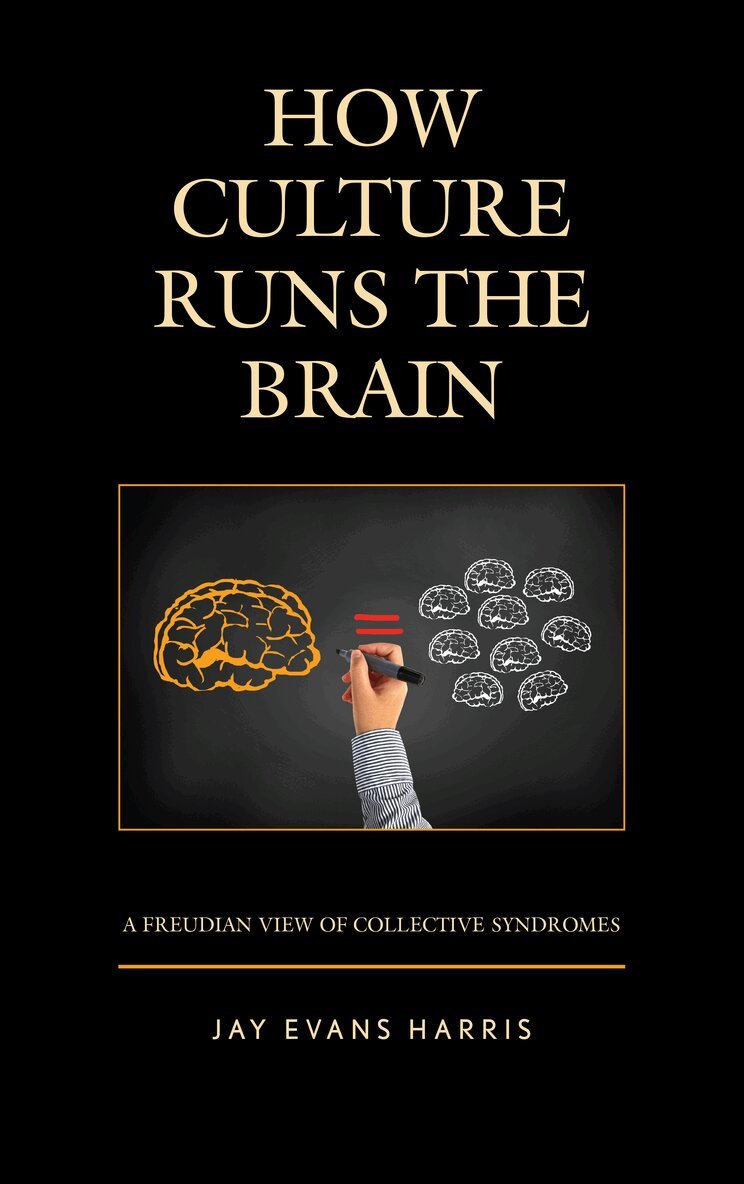
    How Culture Runs the Brain

    A Freudian View of Collective Syndromes

    AvJay Evans Harris

    Häftad, Engelska, 2019

    Del i serien Dialog-on-Freud

    579 kr

    Beställningsvara. Skickas inom 10-15 vardagar. Fri frakt över 249 kr.

    Beskrivning

    Freud was right: mind and brain evolved together, adapting progressively to cultural change; responding regressively to wars, genocides, and forced migrations. Freud traced innate conflicts between pleasure and aggression in each stage of individual development to corresponding development in cultural stages. Cultural trauma that induces PTSD with a loss of secure identity in one generation induces collective phantasies (mythologies) among succeeding generations, and this may form cultural syndromes of revenge and restitution. Families, tribes, clans, and religious communities can regress together to infant and childhood stages. They may breed heroes, sociopaths, revolutionaries—or potential terrorists vulnerable to the siren call of internet shamans. How Culture Runs (and sometimes ruins) the Brain presents neuroscience findings, revealing fantasy as the brain’s default mode, as it alters identity during unbearable trauma or loss. The book presents case histories of cultural conflicts among individuals, tribes, and nations, using the examples of the Boston Marathon Bombers, Bowe Bergdahl’s iconic trial, the Orlando Shooter, and regressive American players in the election of 2016. Conflicting forms of cultural narcissism determine economic survival: the immature narcissism of Trump and his followers challenges the mature narcissism that hid Hillary Clinton’s hubris. Immature narcissistic oligarchs can act out their economic dominance to deal with the fear of extinction of their own identity. Some terrorists groups use mature global technology in the service of immature fundamentalist identity.

    Produktinformation

    • Utgivningsdatum:2019-06-10
    • Mått:152 x 220 x 21 mm
    • Vikt:417 g
    • Format:Häftad
    • Språk:Engelska
    • Serie:Dialog-on-Freud
    • Antal sidor:286
    • Förlag:Bloomsbury Publishing Plc
    • ISBN:9781498562478

    Utforska kategorier

    • Freudiansk psykologi inom Psykologi och pedagogik
    • Psykoterapi som behandlingsmetod inom Medicin

    Mer om författaren

    Jay Evans Harris, MDis clinical associate professor at New York Medical College.

    Recensioner i media

    In this timely analysis of how collective or social conditions affect the ways human beings respond to their inner and outer worlds, Harris (New York Medical College) offers an important intervention into multiple fields, including neuroscience, psychology, politics, and biography. His readings are built around Freud's struggles to articulate how cultural forces shape and unshape the mind. This book will be identified with its critical readings of traumatic experience and its effort to build an understanding of trauma in relation to contemporary examples of conflict, aggression, and regressions. Examples include readings of the Boston Marathon bombing; the Orlando, FL, shooting; the Bowe Bergdahl military desertion trial; and political regressions in the American political sphere. With an acute grasp of how trauma is induced and its ramifications for individual and collective identities, Harris has made psychoanalysis relevant as a mode of cultural analysis. Few authors in the analytic tradition have done this with as much success. This book will be immensely rewarding for those who wish to think through the relation of psyche and society, and this will include practitioners as well as students.Summing Up: Highly recommended. Upper-division undergraduates through faculty and professionals.

    Innehållsförteckning

    • AcknowledgmentsIntroductionChapter 1: Contemporary Cultural SyndromesChapter 2: The Cultural Regulation of identityChapter 3: The Freudian BrainChapter 4: How Mind Enters TraumaChapter 5: From Gilgamesh: The Oldest Culture We KnowChapter 6: Darwin through Freud’s EyesChapter 7: From the Primal Horde to the Primal SceneChapter 8: Freud’s Self-Specimen Chapter 9: Freud As GoetheChapter 10: Modernism and Cultural DisciplinesChapter 11: Gender and Surrender: Lessons in Ego Identity Chapter 12: Freud’s Ambivalence about AmericaChapter 13: The Pretense of Cultural LeadersChapter 14: The Evolution of FantasyChapter 15: Syndromes of Restitution and Retribution: The Tsarnaev CaseConclusionReferences