• Fri frakt över 249 kr
  • •
  • Snabba leveranser
  • •
  • Billiga böcker
Kundservice

Du är på sajten för privatpersoner.

Företag, bibliotek eller offentlig verksamhet?

Du handlar på classic.bokus.com, där alla dina funktioner finns intakta.
Till classic.bokus.com
Bokus logotyp. Gå till startsidan.
  • Erbjudanden
  • Nyheter
  • Student
  • Topplistor
  • Barn & ungdom
  • Bokus Play
  • E-böcker
  • Pocketböcker
  • Spel & pussel

10% rabatt på allt med kod: NYSTART10 →

Sidfot

Mina sidor

    Hjälp

    • Kundservice
    • Vanliga frågor och svar
    • Frakt och leverans
    • Retur vid ångerrätt
    • Reklamera vara
    • Betalning
    • Köpvillkor
    • Allmänna villkor
    • Information om webbplatsens tillgänglighet

    Om Bokus

    • Om oss
    • Pressrum
    • För studenter
    • För företag
    • För bibliotek och offentlig verksamhet
    • För leverantörer
    • Hållbarhet

    Populärt

    • Aktuella erbjudanden
    • Presentkort
    • Studentlitteratur
    • Nya böcker
    • Topplistor
    • Signerade böcker
    • Engelska böcker

    Inspiration

    • Boktips
    • BookTok
    • Populära bokserier
    • Barnbokskaraktärer
    • Populära författare
    Logotyp för Bokus
    Följ oss på Facebook (extern länk)Följ oss på Instagram (extern länk)Följ oss på YouTube (extern länk)Följ oss på TikTok (extern länk)
    bokus @ CookiesAnpassa cookiesIntegritetspolicyKöpvillkor
    Till Citymail hemsida (extern länk)Till Budbee hemsida (extern länk)Till Postnord hemsida (extern länk)Till Schenker hemsida (extern länk)Till Early Bird hemsida (extern länk)Till Walleys hemsida (extern länk)
    1. Skönlitteratur
    2. Litteraturvetenskap
    3. Litteraturteori

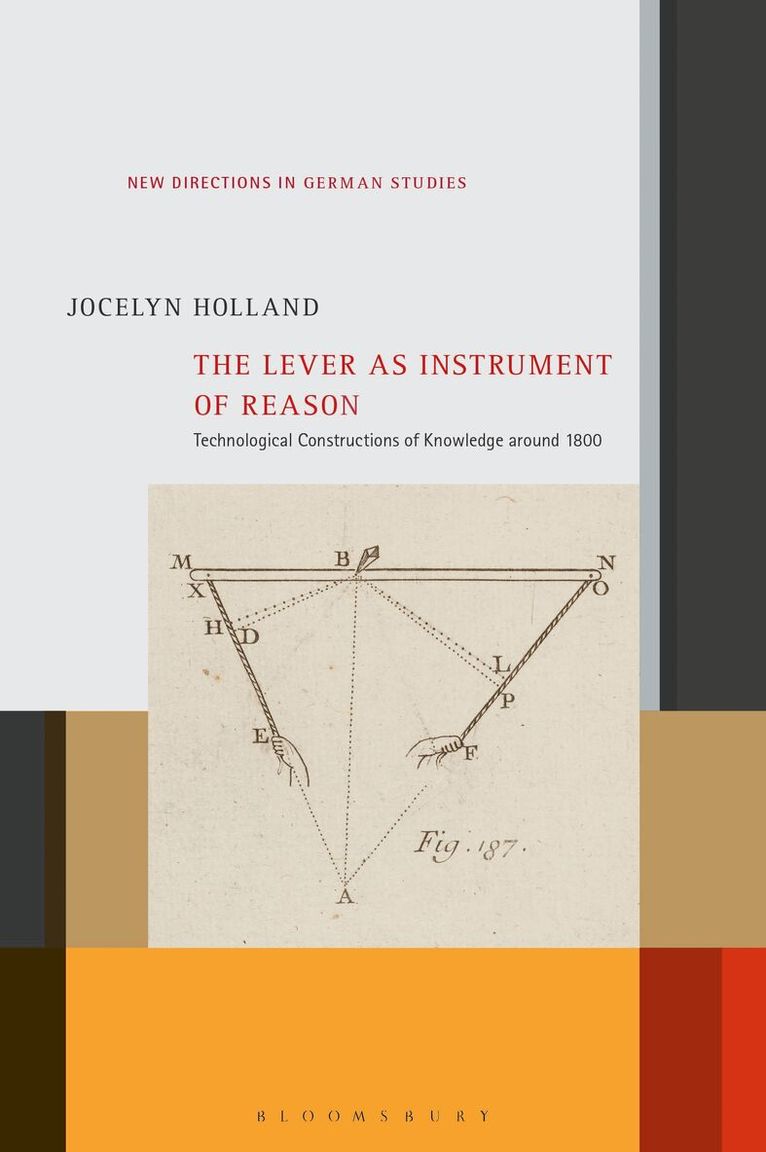
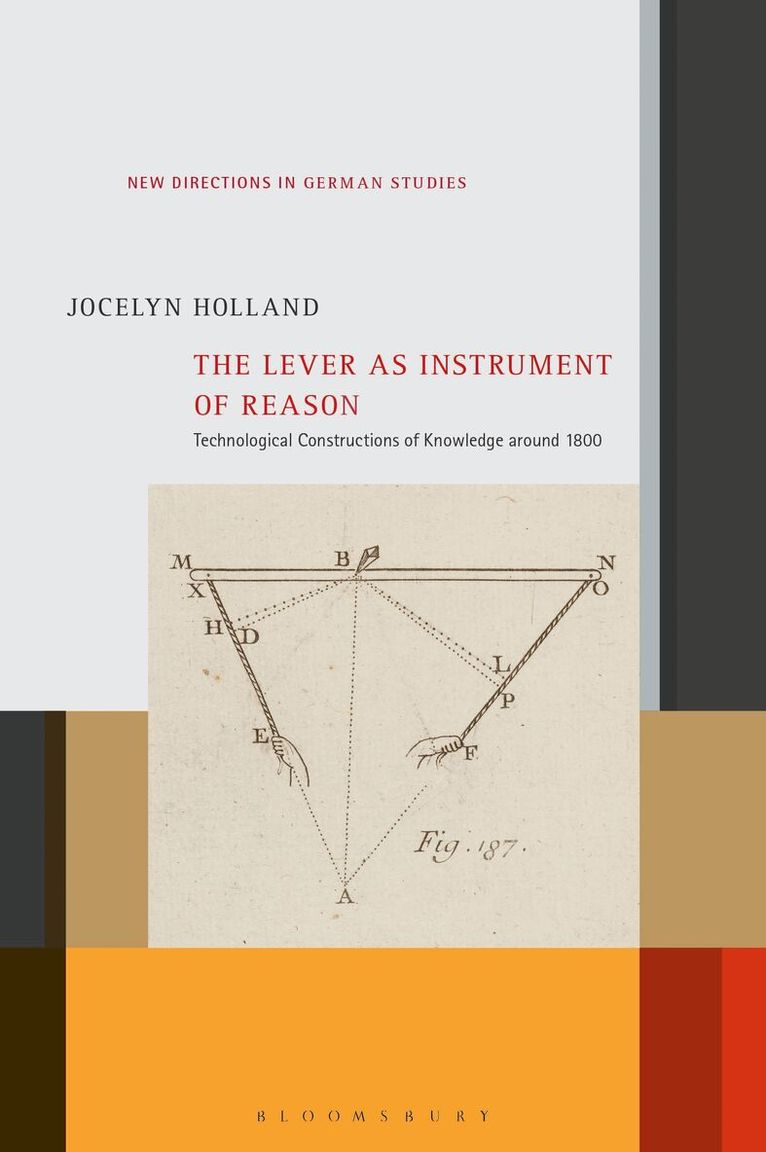
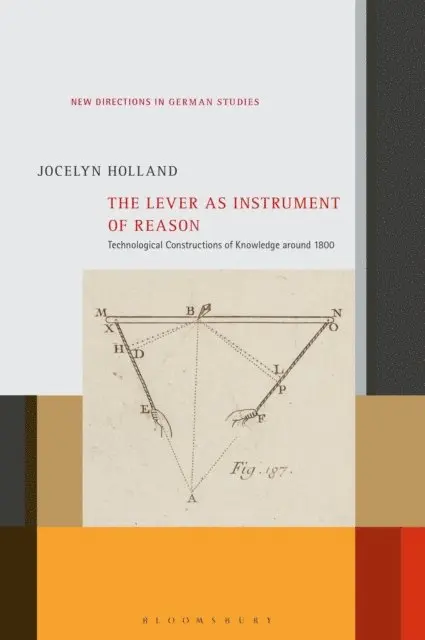
    Lever as Instrument of Reason

    Technological Constructions of Knowledge Around 1800

    AvJocelyn Holland

    E-bok
    PDF, Engelska, 2019

    Del i serien New Directions in German Studies

    590 kr

    Läs direkt i Bokus Reader – eller ladda ned till din enhet (PDF kräver ofta zoom och scroll på små skärmar).

    Fler format och utgåvor

    Inbunden

    2 082 kr

    E-bok

    590 kr

    Häftad

    550 kr

    Beskrivning

    The lever appears to be a very simple object, a tool used since ancient times for the most primitive of tasks: to lift and to balance. Why, then, were prominent intellectuals active around 1800 in areas as diverse as science, philosophy, and literature inspired to think and write about levers? In The Lever as Instrument of Reason, readers will discover the remarkable ways in which the lever is used to model the construction of knowledge and to mobilize new ideas among diverse disciplines. These acts of construction are shown to model key aspects of the human, from the more abstract processes of moral decision-making to a quite literal equation of the powerful human ego with the supposed stability and power of the fulcrum point.

    Produktinformation

    • Utgivningsdatum:2019-05-30
    • Språk:Engelska
    • Antal sidor:224
    • Filformat:PDF
    • Kopieringsskydd:LCP
    • ISBN:9781501346071
    • Förlag:Bloomsbury Publishing PLC (Digital)
    • Serie:New Directions in German Studies

    Utforska kategorier

    • Litteraturteori inom Skönlitteratur
    • Litteraturvetenskap inom Skönlitteratur
    • Filosofiska discipliner inom Filosofi och religion

    Mer om författaren

    Jocelyn Holland is Associate Professor of German at the University of California, Santa Barbara and Professor of Comparative Literature at the California Institute of Technology, USA. She is the author of German Romanticism and Science: The Procreative Poetics of Goethe, Novalis and Ritter (2009) and Key Texts on the Science and Art of Nature by Johann Wilhelm Ritter (2010).

    Recensioner i media

    The Lever as Instrument of Reason is an inquiry into the theoretical use of the trope of the lever in major thinkers of the 18th and 19th centuries. It explores not what work a real lever can do but what epistemological work references to the lever can do in this crucial period of intellectual history. As she discusses the deployment of the figure of the lever, Holland takes us on a tour de force from Kant through Romanticism and Naturphilosophie to nineteenth-century psychology, providing along the way thoroughly original insights into shifting conceptions of the nature of knowledge and humanity. Holland's is a mature book that prompts us to consider anew our understanding of critical junctures of 18th- and 19th-century German and European intellectual history.

    Innehållsförteckning

    • AcknowledgementsIntroduction. An Object and Its Positions: The Lever, the Fulcrum, and the Archimedean Point1. The Balance of Life / Quantifying Kant2. The Levers of German Romanticism3. The Contested God of Naturphilosophie4. From Naturphilosophie to a Mechanically-Minded PsychologyConcluding ThoughtsBibliographyIndex