• Fri frakt över 249 kr
  • •
  • Snabba leveranser
  • •
  • Billiga böcker
Kundservice

Du är på sajten för privatpersoner.

Företag, bibliotek eller offentlig verksamhet?

Du handlar på classic.bokus.com, där alla dina funktioner finns intakta.
Till classic.bokus.com
Bokus logotyp. Gå till startsidan.
  • Erbjudanden
  • Nyheter
  • Student
  • Topplistor
  • Barn & ungdom
  • Bokus Play
  • E-böcker
  • Pocketböcker
  • Spel & pussel

10% rabatt på allt med kod NYSTART10 →

Sidfot

Mina sidor

    Hjälp

    • Kundservice
    • Vanliga frågor och svar
    • Frakt och leverans
    • Retur vid ångerrätt
    • Reklamera vara
    • Betalning
    • Köpvillkor
    • Allmänna villkor
    • Information om webbplatsens tillgänglighet

    Om Bokus

    • Om oss
    • Pressrum
    • För studenter
    • För företag
    • För bibliotek och offentlig verksamhet
    • För leverantörer
    • Hållbarhet

    Populärt

    • Aktuella erbjudanden
    • Presentkort
    • Studentlitteratur
    • Nya böcker
    • Topplistor
    • Signerade böcker
    • Engelska böcker

    Inspiration

    • Boktips
    • BookTok
    • Populära bokserier
    • Barnbokskaraktärer
    • Populära författare
    Logotyp för Bokus
    Följ oss på Facebook (extern länk)Följ oss på Instagram (extern länk)Följ oss på YouTube (extern länk)Följ oss på TikTok (extern länk)
    bokus @ CookiesAnpassa cookiesIntegritetspolicyKöpvillkor
    Till Citymail hemsida (extern länk)Till Budbee hemsida (extern länk)Till Postnord hemsida (extern länk)Till Schenker hemsida (extern länk)Till Early Bird hemsida (extern länk)Till Walleys hemsida (extern länk)
    1. Naturvetenskap och teknik
    2. Geovetenskap
    3. Miljövetenskap och miljöpolitik

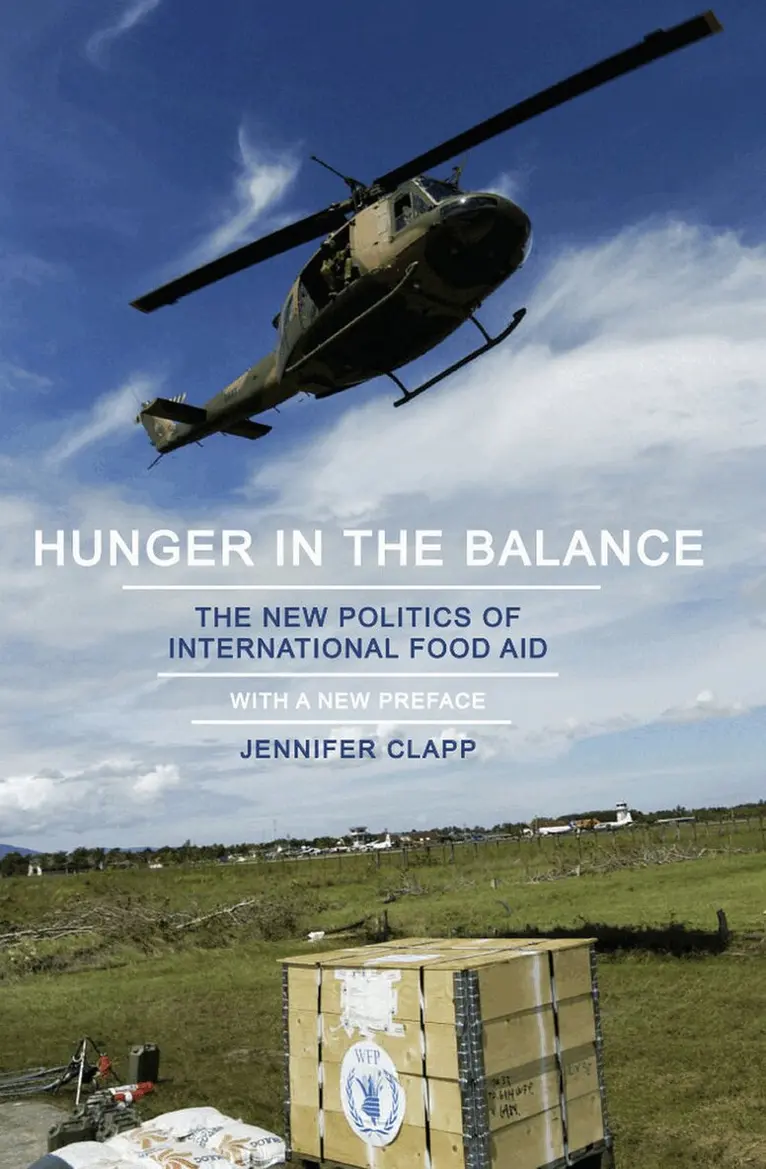
    Hunger in the Balance

    The New Politics of International Food Aid

    AvJennifer Clapp

    Häftad, Engelska, 2015

    377 kr

    Beställningsvara. Skickas inom 5-8 vardagar. Fri frakt över 249 kr.

    Fler format och utgåvor

    Inbunden

    507 kr

    Beskrivning

    Food aid has become a contentious issue in recent decades, with sharp disagreements over genetically modified crops, agricultural subsidies, and ways of guaranteeing food security in the face of successive global food crises. In Hunger in the Balance, Jennifer Clapp provides a timely and comprehensive account of the contemporary politics of food aid, explaining the origins and outcomes of recent clashes between donor nations—and between donors and recipients.She identifies fundamental disputes between donors over "tied" food aid, which requires that food be sourced in the donor country, versus "untied" aid, which provides cash to purchase food closer to the source of hunger. These debates have been especially intense between the major food aid donors, particularly the European Union and the United States. Similarly, the EU's rejection of GMO agricultural imports has raised concerns among recipients about accepting GMO foodstuffs from the United States. For the several hundred million people who at present have little choice but to rely on food aid for their daily survival, Clapp concludes, the consequences of these political differences are profound.

    Produktinformation

    • Utgivningsdatum:2015-10-01
    • Mått:155 x 235 x 14 mm
    • Vikt:454 g
    • Format:Häftad
    • Språk:Engelska
    • Antal sidor:216
    • Förlag:Cornell University Press
    • ISBN:9781501700651
    • Utmärkelser:Runner-up, 2013 Donner Prize (Donner Canadian Foun

    Utforska kategorier

    • Miljövetenskap och miljöpolitik inom Naturvetenskap och teknik
    • Socialt arbete och välfärd inom Samhälle och politik

    Mer om författaren

    Jennifer Clapp is Professor and Canada Research Chair of Global Food Security and Sustainability, Department of Environment and Resource Studies and Balsillie School of International Affairs, University of Waterloo. She is a Trudeau Fellow and author of a number of books, including Toxic Exports: The Transfer of Hazardous Wastes from Rich to Poor Countries, also from Cornell, and Food. She is also coauthor of Paths to a Green World and coeditor of several books.

    Recensioner i media

    Clapp helpfully reviews the debates surrounding food aid and the changes in policy by the major donors—the United States, the European Union, Japan, Canada, and Australia, generally in that order—that have led to a decline in overall aid since the mid-1980s and a trend toward more emergency assistance.- Richard N. Cooper (Foreign Affairs) Clapp investigates the forces that have shaped international food aid from its inception during the 1950s through the present. From tied versus untied food aid to issues associated with genetically modified organisms, local and regional purchase (LRP), and monetized food aid, Clapp exposes the particular policies and institutional contexts of donor nations that impact recipient nations and food aid processes.... Highly recommended.(Choice) Even experts steeped in the details of food aid policy debates will learn things from this extremely perceptive and carefully researched account; I certainly did. Clapp clearly and meticulously explains the ideological, institutional and interest group dynamics behind evolving food aid debates. She flags interesting emerging issues... [and] clearly lays out the analytical basis for each perspective on why food aid has been so politicized and some of the testable implications of each theory.- Christopher B. Barrett (Journal of Developmental Studies) In her new book, Hunger in the Balance: The New Politics of International Food Aid, Jennifer Clapp lucidly and concisely deconstructs the evolution and current orientation of the international food aid system. Deftly navigating how donor nations attempt to reconcile individual economic and political interests with (a) evolving norms concerning aid effectiveness and (b) the need for adequate and sustainable aid flow, this volume will undoubtedly serve as a benchmark in food aid scholarship for years to come.- Nicholas C. Parker (Agriculture and Human Values) In this lucid, well documented and entirely convincing book, Jennifer Clapp explains how the provision of food aid to hungry people in poor countries has always been (and largely remains) at the mercy of powerful interests in donor countries, above all the United States.- J.E. King (Global Change, Peace, and Security) The author presents a succinct and full assessment of modern food aid, discussing its nature and specificity. In this book on the policy of aid giving she defly avoids ideological arguments and opinions, focusing instead on an objective analysis of the influences involved.(Political Studies Review) The book brings into sharp focus the conflicts among developed and developing nations over issues such as global food security.... It is written in a clear and compelling way and should serve as an excellent introductory text for those seeking to study the intersection between food production and international relations.- Calestous Juma (International Affairs) Though there is a wealth of research considering the economic effects of food aid on both donor and recipient countries, Hunger in the Balance seeks to explain trends and changes in food aid politics as they relate not only to donor and recipient economies, but policies, corporate interests, and the food itself.... Hunger in the Balance takes on complex political ideas and applies them in a clear and cogent way.(Contemporary Sociology) Jennifer Clapp has forensically dissected post-Cold War international food aid policy with remarkable thoroughness and presented it logically, concisely and accessibly in Hunger in the Balance, a fact all the more admirable for the slimness of the book. It offers a substantive contribution to food aid discourse... in addition to serving as a valuable primer for anybody new to the subject.... It is easy to see this book becoming a common reference for students, policy professionals, and researchers.- Andrew Wilbur (Journal of International Development)

    Innehållsförteckning

    • 1. Food Aid Politics: The Old and the New2. Past and Present Food Assistance Trends3. Donor Policies on the Question of Tying4. U.S. Debates on Tied Food Aid5. The GMO Controversy6. Food Aid at the WTO7. The 2007–2008 Food Crisis and the Global Governance of Food Aid8. Conclusion: Prospects for the Future of Food Aid PoliticsReferencesIndex