• Fri frakt över 249 kr
  • •
  • Snabba leveranser
  • •
  • Billiga böcker
Kundservice

Du är på sajten för privatpersoner.

Företag, bibliotek eller offentlig verksamhet?

Du handlar på classic.bokus.com, där alla dina funktioner finns intakta.
Till classic.bokus.com
Bokus logotyp. Gå till startsidan.
  • Erbjudanden
  • Nyheter
  • Student
  • Topplistor
  • Barn & ungdom
  • Bokus Play
  • E-böcker
  • Pocketböcker
  • Spel & pussel

10% rabatt på allt med kod NYSTART10 →

Sidfot

Mina sidor

    Hjälp

    • Kundservice
    • Vanliga frågor och svar
    • Frakt och leverans
    • Retur vid ångerrätt
    • Reklamera vara
    • Betalning
    • Köpvillkor
    • Allmänna villkor
    • Information om webbplatsens tillgänglighet

    Om Bokus

    • Om oss
    • Pressrum
    • För studenter
    • För företag
    • För bibliotek och offentlig verksamhet
    • För leverantörer
    • Hållbarhet

    Populärt

    • Aktuella erbjudanden
    • Presentkort
    • Studentlitteratur
    • Nya böcker
    • Topplistor
    • Signerade böcker
    • Engelska böcker

    Inspiration

    • Boktips
    • BookTok
    • Populära bokserier
    • Barnbokskaraktärer
    • Populära författare
    Logotyp för Bokus
    Följ oss på Facebook (extern länk)Följ oss på Instagram (extern länk)Följ oss på YouTube (extern länk)Följ oss på TikTok (extern länk)
    bokus @ CookiesAnpassa cookiesIntegritetspolicyKöpvillkor
    Till Citymail hemsida (extern länk)Till Budbee hemsida (extern länk)Till Postnord hemsida (extern länk)Till Schenker hemsida (extern länk)Till Early Bird hemsida (extern länk)Till Walleys hemsida (extern länk)
    1. Samhälle och politik
    2. Samhälle och kultur
    3. Sociala och etiska frågor
    4. Migration

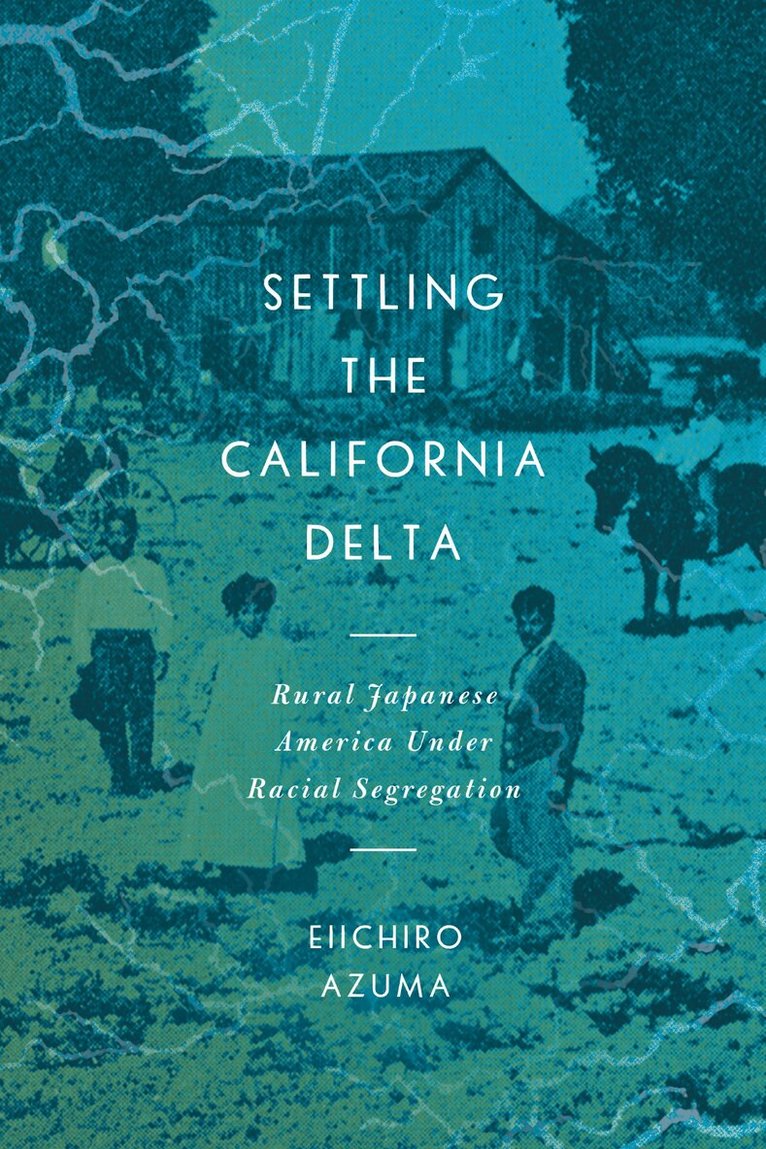
    Settling the California Delta

    Rural Japanese America Under Racial Segregation

    AvEiichiro Azuma

    Häftad, Engelska, 2027

    Del i serien Asian America

    346 kr

    Slutsåld

    Beskrivning

    This book traces the forgotten history of a Japanese farm settlement in the Sacramento River delta. Before the wartime removal and incarceration, most West Coast Japanese Americans, including immigrant Issei and US-born Nisei generations, resided in rural agricultural areas. Existing histories of Japanese America have often overlooked this farming aspect of their experience, focusing instead on urban narratives. Centered on the town of Walnut Grove, the "downriver" (kawashimo) settlement was home to Issei farmers, merchants, and laborers who lived alongside their Nisei children in a society characterized by strict racial segregation and landlessness. In the delta basin, a small group of white landowning settlers and corporate interests held power and wealth, shaping social relations and economic opportunities for mostly Asian immigrant settlers and fieldhands.Combining theories of settler colonialism, racial capitalism, and immigrant transnationalism with the techniques of microhistory, Eiichiro Azuma reveals the intricate dynamics of paternalistic interdependency between white landlords and Japanese tenants, as well as the complex interethnic relations among marginalized immigrant groups in the local segregated society and agricultural economy. Through his careful analysis of heretofore overlooked immigrant vernacular sources and oral histories, Azuma sheds important light on a lesser-known aspect of rural Asian American history through the lens of multiracial entanglements on the ground.

    Produktinformation

    • Utgivningsdatum:2027-01-05
    • Mått:152 x 229 x undefined mm
    • Format:Häftad
    • Språk:Engelska
    • Serie:Asian America
    • Antal sidor:320
    • Förlag:Stanford University Press
    • ISBN:9781503648449

    Utforska kategorier

    • Migration inom Samhälle och politik
    • Etnicitet inom Samhälle och politik
    • Amerikas historia inom Historia och arkeologi

    Mer om författaren

    Eiichiro Azuma is the Roy F. and Jeannette P. Nichols Professor of American History at the University of Pennsylvania. He is the author of several books, including Brokering a Race War: Japanese Americans in the Pacific War and the Occupation of Japan (2026) and In Search of Our Frontier: Japanese America and Settler Colonialism in the Construction of Japan's Borderless Empire (2019).

    Recensioner i media

    "Drawing on an astounding array of overlooked Japanese language sources, this is a gripping and compelling history of rural Japanese America, full of surprising, original findings and interventions.The clarity of the writing and analysis belies the complexity and richness of the research. Eiichiro Azuma elegantly narrates the history of the Sacramento Delta's political economy, its unique pattern of development, and the outsized role of Japanese immigrant farmers within it. This stunning microhistory is Asian American historical scholarship at its finest."—Cecilia M. Tsu, University of California, Davis "Settling the California Deltais a landmark contribution to rural history and Asian American studies. Through a deeply researched examination of the Japanese American community of Walnut Grove, California in the early twentieth century, Eiichiro Azuma deploys an original and incisive framework—the mutually reinforcing dynamics of white segregationist settler colonialism and Asian immigrant settler colonialism—to illuminate how race, land, and labor shaped rural California. Integrating theories of racial capitalism and settler colonialism rarely applied in the field, and centering interethnic relations among Japanese, Chinese, and Filipino residents with particular effectiveness, Azuma transforms a community history into a powerful case study with implications beyond the Delta. The result is an exemplary work of regional and environmental history and a significant intervention in the study of race and capitalism in the American West."—Shelley Lee, Brown University "Based on decades of original research, Settling the California Delta captures the everyday struggles of Japanese American agricultural workers before World War II. Placing personal stories in shifting contexts, Eiichiro Azuma demonstrates the power of local history—its capacity to reveal how seemingly abstract concepts like racial capitalism and settler colonialism profoundly shaped the lives of ordinary human beings."—Moon-Ho Jung, University of Washington