• Fri frakt över 249 kr
  • •
  • Snabba leveranser
  • •
  • Billiga böcker
Kundservice

Du är på sajten för privatpersoner.

Företag, bibliotek eller offentlig verksamhet?

Du handlar på classic.bokus.com, där alla dina funktioner finns intakta.
Till classic.bokus.com
Bokus logotyp. Gå till startsidan.
  • Erbjudanden
  • Nyheter
  • Student
  • Topplistor
  • Barn & ungdom
  • Bokus Play
  • E-böcker
  • Pocketböcker
  • Spel & pussel

10% rabatt på allt med kod: NYSTART10 →

Sidfot

Mina sidor

    Hjälp

    • Kundservice
    • Vanliga frågor och svar
    • Frakt och leverans
    • Retur vid ångerrätt
    • Reklamera vara
    • Betalning
    • Köpvillkor
    • Allmänna villkor
    • Information om webbplatsens tillgänglighet

    Om Bokus

    • Om oss
    • Pressrum
    • För studenter
    • För företag
    • För bibliotek och offentlig verksamhet
    • För leverantörer
    • Hållbarhet

    Populärt

    • Aktuella erbjudanden
    • Presentkort
    • Studentlitteratur
    • Nya böcker
    • Topplistor
    • Signerade böcker
    • Engelska böcker

    Inspiration

    • Boktips
    • BookTok
    • Populära bokserier
    • Barnbokskaraktärer
    • Populära författare
    Logotyp för Bokus
    Följ oss på Facebook (extern länk)Följ oss på Instagram (extern länk)Följ oss på YouTube (extern länk)Följ oss på TikTok (extern länk)
    bokus @ CookiesAnpassa cookiesIntegritetspolicyKöpvillkor
    Till Citymail hemsida (extern länk)Till Budbee hemsida (extern länk)Till Postnord hemsida (extern länk)Till Schenker hemsida (extern länk)Till Early Bird hemsida (extern länk)Till Walleys hemsida (extern länk)
    1. Naturvetenskap och teknik
    2. Geovetenskap
    3. Miljövetenskap och miljöpolitik

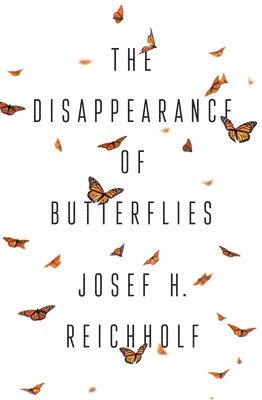
    Disappearance of Butterflies

    AvJosef H. Reichholf

    Inbunden, Engelska, 2020

    149 kr

    Beställningsvara. Skickas inom 5-8 vardagar. Fri frakt över 249 kr.

    Fler format och utgåvor

    E-bok

    237 kr

    Beskrivning

    In the last fifty years our butterfly populations have declined by more than eighty per cent and butterflies are now facing the very real prospect of extinction. It is hard to remember the time when fields and meadows were full of these beautiful, delicate creatures – today we rarely catch a glimpse of the Wild Cherry Sphinx moths, Duke of Burgundy or the even once common Small Tortoiseshell butterflies. The High Brown Fritillary butterfly and the Stout Dart Moth have virtually disappeared. The eminent entomologist and award-winning author Josef H. Reichholf began studying butterflies in the late 1950s. He brings a lifetime of scientific experience and expertise to bear on one of the great environmental catastrophes of our time. He takes us on a journey into the wonderful world of butterflies - from the small nymphs that emerge from lakes in air bubbles to the trusting purple emperors drunk on toad poison - and immerses us in a world that we are in danger of losing forever.  Step by step he explains the science behind this impending ecological disaster, and shows how it is linked to pesticides, over-fertilization and the intensive farming practices of the agribusiness. His book is a passionate plea for biodiversity and the protection of butterflies.

    Produktinformation

    • Utgivningsdatum:2020-10-30
    • Mått:160 x 231 x 28 mm
    • Vikt:612 g
    • Format:Inbunden
    • Språk:Engelska
    • Antal sidor:260
    • Förlag:Polity Press
    • ISBN:9781509539796
    • Översättare:Gwen Clayton

    Utforska kategorier

    • Miljövetenskap och miljöpolitik inom Naturvetenskap och teknik
    • Biologi inom Naturvetenskap och teknik

    Mer om författaren

    Josef Reichholf is an environmental biologist and author who has twice received the German Science Book of the Year prize.

    Recensioner i media

    "The Disappearance of Butterflies is in many ways the fulfilment of Reichholf’s entire 50-year career."New Statesman"This is a brilliant, authoritative and iconoclastic challenge to the industrial farming that is destroying insect life. But Josef Reichholf’s lifetime of scrupulous scientific observation of butterflies and moths does not lead to despondency. He identifies overlooked solutions, from discarding fertiliser to embracing disorder and greening cities. And he reveals more of the miraculous biology of butterflies and moths, and their marvellous relationships with a whole web of life – including us."Patrick Barkham, author of The Butterly Isles “This engaging book, based on personal observations of the author and a broad reading of the literature, celebrates the wonderful diversity of butterflies and moths, and laments their ongoing decline in response to loss of natural habitat and intense agricultural practices. Reichholf introduces the reader to the general biology of Lepidoptera, as well as highlighting the special adaptations of some groups to their particular, and sometimes peculiar, ways of life. The second part of the book addresses the decline of butterflies and moths, why this should matter to us, and what we can do about it. Among its surprises are the roles of urban areas as refuges for some species. Reichholf makes the case that diversity is important and worth conserving, both for the functioning of the natural environment and for the pleasure we humans derive from nature.”Robert E. Ricklefs, University of Missouri-St. Louis“The beauty, individuality and unique characteristics of butterflies and moths are brought to life in the first half of this authoritative book. The pages filled with a lifetime of personal experiences, scientific research and case studies. But it is the second half that really captured my imagination. Addressing the devastating decline of lepidoptera, Reichholf outlines why this should matter to us and what we can do about it. With striking insight into why over fertilisation, industrial agriculture and habitat degradation are crippling for biodiversity, the author offers hope through a range of solutions.”Lindsey Chapman, Discover Wildlife"Fascinating"Visions for Sustainability“Eloquent, detailed, expertly organized and presented, The Disappearance of Butterflies is a definitive study that will have immense value to students, scientists, and the general public alike.”Midwest Book Review“The Disappearance of Butterflies is an important creation. It is partly a poignant catalogue of loss, and partly a celebration of the wonder of butterflies and moths.”The London Naturalist“An important book”Antenna

    Innehållsförteckning

    • Foreword AcknowledgementsIntroductionPart I: The Biodiversity of LepidopteraA Review of 50 Years of Butterfly and Moth ResearchInsects fly towards UV lightUrban Lepidoptera: more common than expectedDeath’s head hawk-moth: a guest that can barely live with us anymoreThe Fascinating Life of Aquatic MothsEvenings at the pondThe hidden lives of the little nymphsHow the caterpillar breathes under waterUp and away in an air balloonThe advantages of living in waterA place to live or an ‘ecological niche’The destruction of the biotopes of the little nymphsThe Benefits of Being Attracted to LightLike moths to a flameThe red blindness of butterfliesThe Strange Behaviour of the Purple EmperorButterflies on drugsPsychedelics in the insect kingdomThe Nettle-feeding Lepidoptera: An Instructive CommunityNettles: indicators of overfertilizationNettles escape defoliationMaize: damaged beyond repairCabbage whites: parasites and protectionThe mass flight of the map butterfly: singularities in the realm of the butterfliesDoes climate change affect the seasonal morphs of the map butterfly?Nature is too diverse for simple generalizationsThe Great Migrations of the ButterfliesThe migratory flights of the painted ladiesSmall tortoiseshells as travellersButterfly invasionsPoisonous Butterflies and Moths: From the Cabbage White to the Six-spot BurnetCabbage whites on the Dalmatian coastWhenever it rains in the desert …Which factors affect the reproduction of butterflies, and when?Useful modelsThe need to go slowPoison in the bodyThe Secret Life of Small Ermine MothsThe bird-cherry, a tree of the riparian woodsToxins in bird-cherriesThe life history of the caterpillars of the ermine mothHelpful hungry caterpillarsBetween parasitism and population explosionLonger-term population cyclesCoppice management and its consequencesGenerations and multiyear cycles of ermine mothsParasitoids on other ermine mothsThe lifecycles of butterflies and mothsHardy Winter MothsLife at the edge of winterThe mastery of seasonal nichesWhy female winter moths do not need wingsDeforestation, poison and the decline of the codling moth and the winter mothThe common quaker moth in early springBrimstones: The First Spring ButterfliesButterfly attacksThe problem with early flightMüllerian mimicryThe critical factor of spring weather‘Balance’ in naturePart II: The Disappearance of LepidopteraAssessing the Abundance and Occurrence of Butterflies: A Major ChallengeStarting with 1,000 wattsHow to successfully attract moths to lightChange and continuityAll praise to those who helped us with identification problemsButterfly and Moth NamesThe Decline of Moths and ButterfliesThe village outskirts and the open fieldsFindings in the riparian woodsThe findings from MunichThe decline in species diversityWarm summers and what they mean for the moths and butterfliesThe Metropolis: The End of Nature or Salvation of Species Diversity?The advantage of structureMonocultures produce pestsCities as islands of warmthOverfertilized, poisoned landNature-friendly citiesThe Inhospitality of the CountrysideFrom idyll to slurryMonocultures and changes to the ground-level microclimateThe cooling of fields and forestsIncreased growth reduces the abundance of moths and butterflies in the riparian woodsBoundary ridges in the fields and meadows: a supportive network‘Infilling’ and ‘compensating areas’The ‘nutritional condition’ of the landscapeThe disappearance of the cockchafersThe turning point for our farmers: the 1970sThe Krefeld StudyA subsidy system without an exit mechanismNature conservation and nature enthusiastsThe Devastating Effect of Communal Maintenance MeasuresThe End of the Night: The Role of Light PollutionSummary: A Cluster of FactorsThe Disappearance of Moths and Butterflies and Its ConsequencesWhat We Can Do about the Disappearance of Moths and butterfliesThe Beauty of Moths and ButterfliesTwo Findings in Place of an EpilogueSelect BibliographyIndex