• Fri frakt över 249 kr
  • •
  • Snabba leveranser
  • •
  • Billiga böcker
Kundservice

Du är på sajten för privatpersoner.

Företag, bibliotek eller offentlig verksamhet?

Du handlar på classic.bokus.com, där alla dina funktioner finns intakta.
Till classic.bokus.com
Bokus logotyp. Gå till startsidan.
  • Erbjudanden
  • Student
  • Topplistor
  • Barn & ungdom
  • Bokus Play
  • E-böcker
  • Ljudböcker
  • Pocketböcker
  • Spel och pussel

5% studentrabatt – använd koden KURSBOK27 →

Sidfot

Mina sidor

    Hjälp

    • Kundservice
    • Vanliga frågor och svar
    • Frakt och leverans
    • Retur vid ångerrätt
    • Reklamera vara
    • Betalning
    • Köpvillkor
    • Allmänna villkor
    • Information om webbplatsens tillgänglighet

    Om Bokus

    • Om oss
    • Pressrum
    • För studenter
    • För företag
    • För bibliotek och offentlig verksamhet
    • För leverantörer
    • Hållbarhet

    Populärt

    • Aktuella erbjudanden
    • Presentkort
    • Studentlitteratur
    • Nya böcker
    • Topplistor
    • Signerade böcker
    • Engelska böcker

    Inspiration

    • Boktips
    • BookTok
    • Barnbokskaraktärer
    • Populära författare
    Logotyp för Bokus
    Följ oss på Facebook (extern länk)Följ oss på Instagram (extern länk)Följ oss på YouTube (extern länk)Följ oss på TikTok (extern länk)
    bokus @ CookiesAnpassa cookiesIntegritetspolicyKöpvillkor
    Till Citymail hemsida (extern länk)Till Budbee hemsida (extern länk)Till Postnord hemsida (extern länk)Till Schenker hemsida (extern länk)Till Early Bird hemsida (extern länk)Till Walleys hemsida (extern länk)
    1. Samhälle och politik
    2. Politik och statsskick
    3. Statsskick och politiska processer
    4. Statsskick: demokrati

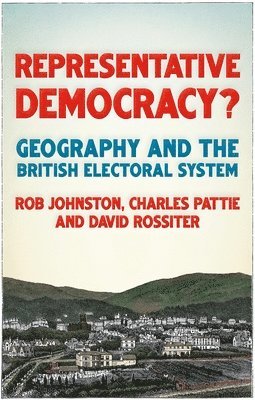
    Representative democracy?

    Geography and the British electoral system

    AvRon Johnston,Charles Pattie

    Häftad, Engelska, 2021

    360 kr

    Beställningsvara. Skickas inom 5-8 vardagar. Fri frakt över 249 kr.

    Fler format och utgåvor

    Inbunden

    403 kr

    Beskrivning

    Members of Parliament in the United Kingdom are elected to represent geographic constituencies; but how are these defined and what are the consequences for democracy?Tracing the UK’s system of parliamentary representation from its origins in the thirteenth century right through to the present, this comprehensive new survey reveals how a system initially designed to restrain the power of monarchs gradually evolved to serve their interests, then those of political parties before the twentieth century ‘settlement’ of an independent process for revising the constituency map.That settlement is now under pressure, with the traditional pattern of constituencies representing communities about to be replaced by one which elevates numbers above community. Advanced under the slogan of ‘making votes equal’, this new regime promises fairness yet, as the authors show, is destined to fail to address the disproportional and biased election results that have long been a feature of UK politics.Concluding with a detailed consideration of the ways in which various parts of the UK have embraced alternatives to first-past-the-post over the last two decades, this book serves as a timely reminder that the needs of political parties do not always coincide with those of us, the electors.

    Produktinformation

    • Utgivningsdatum:2021-01-12
    • Mått:138 x 216 x 12 mm
    • Vikt:268 g
    • Format:Häftad
    • Språk:Engelska
    • Antal sidor:224
    • Förlag:Manchester University Press
    • ISBN:9781526139894

    Utforska kategorier

    • Statsskick: demokrati inom Samhälle och politik
    • Val och folkomröstningar inom Samhälle och politik

    Mer om författaren

    Ron Johnston was Professor of Geography in the School of Geographical Sciences at the University of BristolCharles Pattie is Professor of Politics at the University of SheffieldDavid Rossiter is now an independent researcher, having previously held posts at several British universities

    Innehållsförteckning

    • Preface1 Introduction2 Representation: of whom, what and where?3 Creating an electoral system: 1832–19184 Consolidating the system: 1930-20105 The 2011 legislation: major changes?6 How representative is our democracy?7 Does it have to be this way?8 ConclusionNotesIndex