• Fri frakt över 249 kr
  • •
  • Snabba leveranser
  • •
  • Billiga böcker
Kundservice

Du är på sajten för privatpersoner.

Företag, bibliotek eller offentlig verksamhet?

Du handlar på classic.bokus.com, där alla dina funktioner finns intakta.
Till classic.bokus.com
Bokus logotyp. Gå till startsidan.
  • Erbjudanden
  • Nyheter
  • Student
  • Topplistor
  • Barn & ungdom
  • Bokus Play
  • E-böcker
  • Pocketböcker
  • Spel & pussel

10% rabatt på allt med kod NYSTART10 →

Sidfot

Mina sidor

    Hjälp

    • Kundservice
    • Vanliga frågor och svar
    • Frakt och leverans
    • Retur vid ångerrätt
    • Reklamera vara
    • Betalning
    • Köpvillkor
    • Allmänna villkor
    • Information om webbplatsens tillgänglighet

    Om Bokus

    • Om oss
    • Pressrum
    • För studenter
    • För företag
    • För bibliotek och offentlig verksamhet
    • För leverantörer
    • Hållbarhet

    Populärt

    • Aktuella erbjudanden
    • Presentkort
    • Studentlitteratur
    • Nya böcker
    • Topplistor
    • Signerade böcker
    • Engelska böcker

    Inspiration

    • Boktips
    • BookTok
    • Populära bokserier
    • Barnbokskaraktärer
    • Populära författare
    Logotyp för Bokus
    Följ oss på Facebook (extern länk)Följ oss på Instagram (extern länk)Följ oss på YouTube (extern länk)Följ oss på TikTok (extern länk)
    bokus @ CookiesAnpassa cookiesIntegritetspolicyKöpvillkor
    Till Citymail hemsida (extern länk)Till Budbee hemsida (extern länk)Till Postnord hemsida (extern länk)Till Schenker hemsida (extern länk)Till Early Bird hemsida (extern länk)Till Walleys hemsida (extern länk)
    1. Psykologi och pedagogik
    2. Pedagogik
    3. Pedagogisk teori och filosofi
    • 10% rabatt på allt

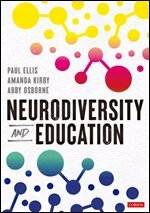
    Neurodiversity and Education

    AvPaul Ellis,Amanda Kirby

    Häftad, Engelska, 2023

    388 kr

    Beställningsvara. Skickas inom 5-8 vardagar. Fri frakt över 249 kr.

    Fler format och utgåvor

    Inbunden

    1 608 kr

    Beskrivning

    Human brains are diverse: each one of us has a unique set of connections between billions of nerve cells.
    Neurodiversity is about us all. It is not an exclusive club or one condition, difficulty, difference, or disorder.
    Understanding more about the concept of neurodiversity helps us consider, respect and appreciate these differences. It helps us see potential rather than deficit.
    This clear and practical book, which is useful for all apsects of learning and education discusses how an emphasis on neurodiverse 'ability' can cultivate a better world.

    Produktinformation

    • Utgivningsdatum:2023-02-17
    • Mått:170 x 242 x 15 mm
    • Vikt:290 g
    • Format:Häftad
    • Språk:Engelska
    • Antal sidor:176
    • Upplaga:1
    • Förlag:SAGE Publications
    • ISBN:9781529600353

    Ingår i kampanjer

    10% rabatt på allt

    Utforska kategorier

    • Pedagogisk teori och filosofi inom Psykologi och pedagogik
    • Utbildningsstrategier och utbildningspolitik inom Psykologi och pedagogik
    • Specialundervisning inom Psykologi och pedagogik

    Mer om författaren

    Paul Ellis began teaching in schools and universities in the 1990s, and has held senior positions in two of the main international education providers since 2006. Within his current role, he is in charge of the worldwide recruitment and development of teacher-trainers. He has worked with teachers and school leaders on all continents to advise and support them in their professional learning. He has written or edited more than a dozen education books.Amanda Kirby has held had a chair in developmental disorders in education at the University of South Wales since 2008. Her PhD was in emerging adulthood in developmental coordination disorder (DCD), from Leeds University. She is also a qualified general physician. She founded The Dyscovery Centre, a specialist centre for children and adults with developmental disorders, in 1997 and ran it until 2015. She is chair of Movement Matters, the U.K. umbrella organization for movement difficulties. She is also a patron of the Dyspraxia Association in New Zealand, medical advisor to the Dyspraxia Foundation in the United Kingdom, and a past advisor to the Dyspraxia Association in the Republic of Ireland. She has been on the international scientific committee for DCD and was part of the committee for the European guidelines for DCD and the 2019 International Guidelines for DCD. She is the CEO of Do-IT Solutions Ltd., a company providing person-centered assessments and support for people with neurodevelopmental disabilities (NDDs) and related difficulties. Her interests and publications have focused on NDDs (particularly DCD and co-occurrence) and their impact on children, adults, and their families. She has run large-scale research trials and European Union projects and has published books and peer-reviewed papers in the field. She is active on Twitter and LinkedIn where she promotes Neurodiversity awareness and shares advice and support strategies.Abby Osborne works at the University of Bath in the Centre for Learning and Teaching as their Assessment and Feedback Lead. She has extensive experience of mentoring and tutoring students, from secondary to further and higher education. In addition, she now works as a Consultant to support busy teachers to develop their inclusive practice.Through her work with students and teachers, Abby has developed many practical strategies to overcoming multiple barriers to learning which we all face. She has recently published two books on inclusive teaching and learning and worked with teachers across the globe, covering the educational journey from primary to post- graduate study.

    Recensioner i media

    The book was warmly welcomed by the students for its contemporary perspective. I can happily report that the book is included in the current and next year′s recommended reading list.

    Innehållsförteckning

    • Chapter 1: What is neurodiversity?Chapter 2: Framing neurodiversity - past and presentChapter 3: The 3Ms - Missed, Misdiagnosed and MisunderstoodChapter 4: Mental health and wellbeingChapter 5: ReframingChapter 6: Universal DesignChapter 7: The Inclusive ClassroomChapter 8: Teaching and LearningChapter 9: Assessing neurodiverse learnersChapter 10: Neurodiversity in the Education Workplace