• Fri frakt över 249 kr
  • •
  • Snabba leveranser
  • •
  • Billiga böcker
Kundservice

Du är på sajten för privatpersoner.

Företag, bibliotek eller offentlig verksamhet?

Du handlar på classic.bokus.com, där alla dina funktioner finns intakta.
Till classic.bokus.com
Bokus logotyp. Gå till startsidan.
  • Erbjudanden
  • Nyheter
  • Student
  • Topplistor
  • Barn & ungdom
  • Bokus Play
  • E-böcker
  • Pocketböcker
  • Spel & pussel

10% rabatt på allt med kod NYSTART10 →

Sidfot

Mina sidor

    Hjälp

    • Kundservice
    • Vanliga frågor och svar
    • Frakt och leverans
    • Retur vid ångerrätt
    • Reklamera vara
    • Betalning
    • Köpvillkor
    • Allmänna villkor
    • Information om webbplatsens tillgänglighet

    Om Bokus

    • Om oss
    • Pressrum
    • För studenter
    • För företag
    • För bibliotek och offentlig verksamhet
    • För leverantörer
    • Hållbarhet

    Populärt

    • Aktuella erbjudanden
    • Presentkort
    • Studentlitteratur
    • Nya böcker
    • Topplistor
    • Signerade böcker
    • Engelska böcker

    Inspiration

    • Boktips
    • BookTok
    • Populära bokserier
    • Barnbokskaraktärer
    • Populära författare
    Logotyp för Bokus
    Följ oss på Facebook (extern länk)Följ oss på Instagram (extern länk)Följ oss på YouTube (extern länk)Följ oss på TikTok (extern länk)
    bokus @ CookiesAnpassa cookiesIntegritetspolicyKöpvillkor
    Till Citymail hemsida (extern länk)Till Budbee hemsida (extern länk)Till Postnord hemsida (extern länk)Till Schenker hemsida (extern länk)Till Early Bird hemsida (extern länk)Till Walleys hemsida (extern länk)
    1. Psykologi och pedagogik
    2. Pedagogik
    3. Högskola och universitet

    Autonomy-Supportive Teaching in Higher Education

    A Practical Guide for College Professors

    AvPatrick M. Whitehead

    Inbunden, Engelska, 2023

    628 kr

    Beställningsvara. Skickas inom 10-15 vardagar. Fri frakt över 249 kr.

    Fler format och utgåvor

    Häftad

    304 kr

    Beskrivning

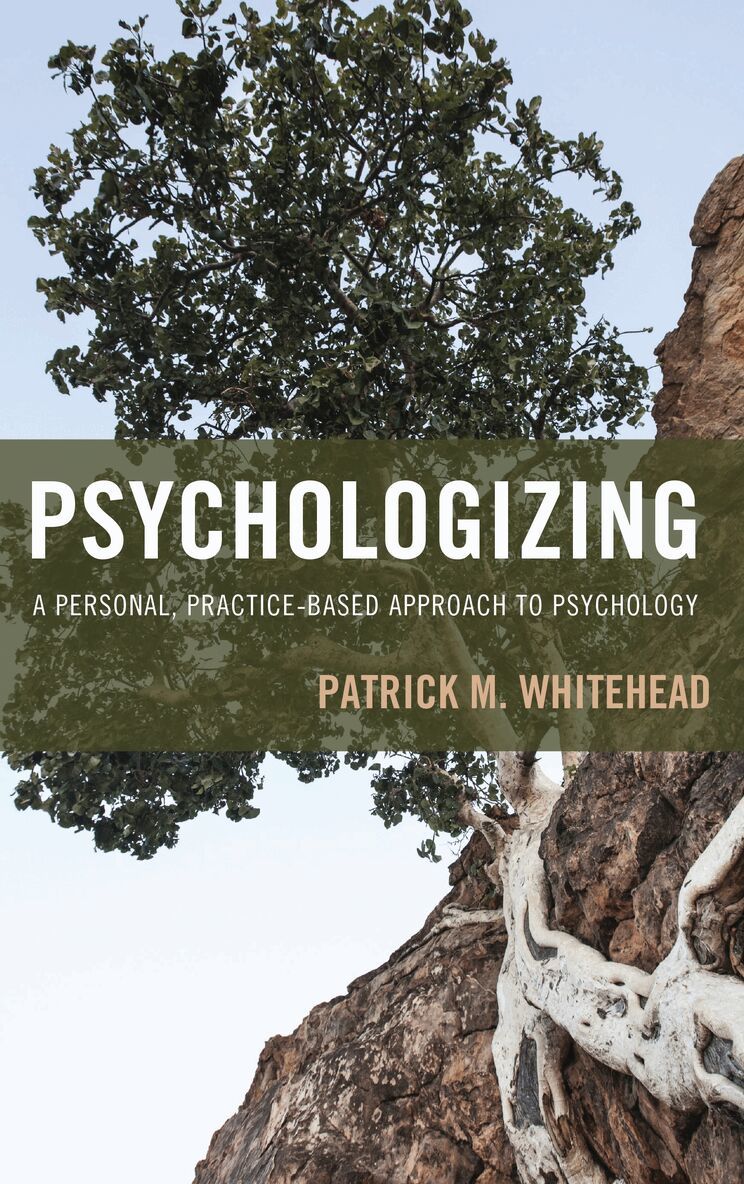
    This book is for college faculty who are tired of student apathy, disinterest, and confrontation, and who are interested in helping their students cultivate inner motivational resources. Autonomous learners are interested in more than getting a good grade or doing as they’re told—they benefit from the motivations that increase need satisfaction, lead to lifelong learning, and support a wide variety of independent learning objectives. Using everyday language, Autonomy-Supportive Teaching in Higher Education: A Practical Guide for College Professors synthesizes the mountain of research conducted using autonomy-supportive teaching (AST) in the classroom. This book summaries the state-of-the-art motivation psychology for the classroom, provides eight workshops demonstrating evidence-based and classroom tested strategies for applying AST, and explores faculty and student reflections on the strengths and weaknesses of AST. With this text, readers can begin applying the principles of self-determination theory to their classrooms today.
    Produktinformation

    • Utgivningsdatum:2023-04-15
    • Mått:184 x 261 x 18 mm
    • Vikt:612 g
    • Format:Inbunden
    • Språk:Engelska
    • Antal sidor:178
    • Förlag:Bloomsbury Publishing Plc
    • ISBN:9781538177198

    Utforska kategorier

    • Högskola och universitet inom Psykologi och pedagogik
    • Psykologi inom Psykologi och pedagogik
    • Utbildningsstrategier och utbildningspolitik inom Psykologi och pedagogik

    Mer om författaren

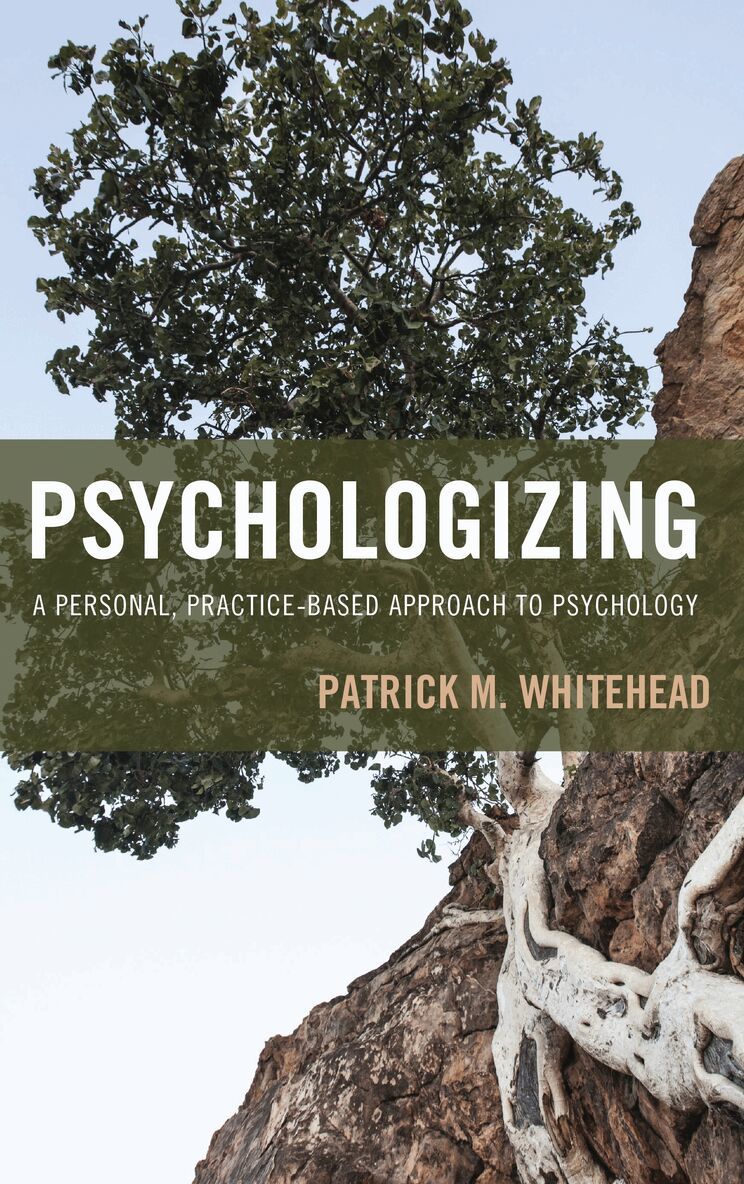
    Patrick Whitehead is associate professor of psychology and coordinator of general education at Albany State University, where he was named 2019 scholar of the year. He has published six books including Psychologizing: A Personal, Practice-based Approach to Psychology and dozens of articles in the fields of psychology, philosophy, and higher education. He lives on a farm in Albany, Georgia, USA with his wife, Erica. For more information and resources for college faculty, see www.patrickmwhitehead.com

    Recensioner i media

    Dr. Whitehead's Autonomy-Supportive Teaching in Higher Education is a game-changer for faculty looking to improve and energize their classes and students. At a time when motivation is diminished by the many challenges faced by students, Dr. Whitehead offers strategies, informed by autonomy-supportive teaching, to enhance learning and increase student success and faculty satisfaction. I would definitely recommend this book to faculty looking for strategies to motivate students and, by doing so, unlock their academic potential!

    Innehållsförteckning

    • Acknowledgments Introduction Not a Vignette A Revolution in My Teaching Spirit AST Will Work for You and Your Students Three Potential Hurdles: Mistaken Beliefs that Interfere with Professional Development Mistaken Belief 1: It’s the Students’ Fault Mistaken Belief 2: Teachers Cannot Change Mistaken Belief 3: Controlling Teachers Are the Best Teachers Relation to Other Psychologies of Student Motivation Grit: Passion and Determination with Angela Duckworth and Cal Newport Fixed and Growth Mindsets with Carol Dweck Why We Learn the Ways that We Learn with Josh Eyler Structure of This Book PART I: THEORY1 Self-Determination Theory and Higher Education A Brief History of the Psychology of Student Motivation Self-Determination Theory and the Three Basic Psychological Needs Autonomy Competence Relatedness Supporting Basic Psychological Needs Why the Students Wouldn’t Read Macbeth The Many Forms of Extrinsic Motivation Continuum of Extrinsic Motivation Internalization and the Regulation of Beliefs, Values, and Behaviors No Regulation of Beliefs, Values, and Behaviors External Regulation of Beliefs, Values, and BehaviorsExternalized Regulation Introjected Regulation Internalized Regulation of Beliefs, Values, and Behaviors Identified Regulation Integrated Regulation Intrinsic Regulation of Beliefs, Values, and Behaviors2 Autonomy-Supportive TeachingVignette 1, Where Online Students Missed the First Deadline Vignette 2, The One with Lethargic Graduate Students Autonomy-Supportive Teaching Seven Strategies for Supporting Student Autonomy Strategy 1: Autonomy-Supportive Teachers Adopt Their Students’ Perspective My Experience Taking Students’ Perspective Strategy 2: Autonomy-Supportive Teachers Invite Students to Pursue Their Interests My Experience Inviting Students to Pursue Their Interests Strategy 3: Autonomy-Supportive Teachers Present Learning Activities in Need-Satisfying Ways Autonomy Competence Relatedness My Experience Presenting Learning Activities in Need-Satisfying Ways Strategy 4: Autonomy-Supportive Teachers Provide Explanatory Rationale My Experience Providing Explanatory Rationale Strategy 5: Autonomy-Supportive Teachers Acknowledge Negative Feelings My Experience Acknowledging Negative Feelings Strategy 6: Autonomy-Supportive Teachers Use Invitational LanguageMy Experience Using Invitational LanguageStrategy 7: Autonomy-Supportive Teachers Practice Patience My Experience Practicing Patience The Gestalt of Autonomy-Supportive Teaching 3 Evidence Supporting Autonomy-Supportive Teaching in Higher Education Evidence that AST Works in Higher Education Physical Education and Other General Education Courses Remedial Writing Courses Music and Performing Arts Psychology and Social Sciences Sciences and Liberal Arts in South America Arts and Humanities, Health Sciences, Engineering, and Exercise Sciences in Europe Online and Asynchronous CoursesGraduate SchoolGender Differences in Highly Specific CasesIntercultural and International ApplicabilityConclusionPART II: APPLICATION4 Self-Determination Theory Workshop Basic Psychological Needs Regulation of Beliefs, Values, and Behaviors 5 Diagnosing Teaching Styles with AST Inventories A Preliminary Note on the Difference Between Assessment and Evaluation Situations in School Inventory Assessing Structure Assessing Chaos Assessing Autonomy Support Assessing Control Completing the Inventory and Analyzing the Results Situations in School Inventory Advanced Scoring Learning Climate Questionnaire Classroom Observation Checksheet 6 Taking Students’ Perspective Methods for Getting Student Feedback Distribute Slips of Paper Asking for Anonymous Suggestions Hold an Open Town Hall–Type Forum Create a Virtual Survey or Poll When to Avoid Taking Students’ Perspective Put It into Practice Homework Activity #1: Distribute Comment Cards Homework Activity #2: Seek Candid Reviews about Course Content Homework Activity #3: Invite Students to Comment on the Lesson Plan for the Day Problems to Expect, and How to Deal with Them Students Have No Feedback to Share Students Don’t Seem to Be Interested in Their Own Suggestions Students Have Only Positive Feedback to Share 7 Intrinsic Motivation AST Strategy Two: Invite Students to Pursue Their Interests Homework: Identify an Aspect of the Course with Which You Are Comfortable Allowing Students to Participate in Choosing AST Strategy Three: Present Learning Activities in Need-Satisfying Ways CompetenceRelatednessPut It into PracticeHomework Activity #1: Stop and Assess Where Your Students Are Homework Activity #2: Emphasize Relatedness by Encouraging Students to Work TogetherProblems to Expect and How to Deal with ThemStudents Have a Range of Skill Levels Students Are Not Interested in Working Together 8 Supporting Students’ InternalizationAST Strategy Four: Provide Explanatory RationalePut It into Practice Homework Activity #1: Explain Why You’re Doing the Next Thing You Will Be Doing Homework Activity #2: Integrate Rationale into Assignment InstructionsHomework Activity #3: Explore the TiLT Model of TeachingAST Strategy Five: Acknowledge Negative FeelingsHomework Activity #1: Acknowledge and Accept the Negative Affect of One StudentHomework Activity #2: Use Collective Negative Affect as a Diagnostic ToolHomework Activity #3: Reflect on the Ideal Emotional Profile of StudentsAST Strategy Six: Rely on Invitational Language Homework Activity #1: Rewrite Activity Instructions Using Invitational LanguageHomework Activity #2: Design an Alternative Assignment AST Strategy Seven: Practice Patience Homework Activity #1: Adjust the Amount of Time Needed for Completing an Activity Homework Activity #2: Patient Listening PART III: FINISHING TOUCHES9 Sample Assessment of Using Autonomy Support in an Online Course AST in Online Courses: An Understudied RelationshipDesign Control Condition AST Condition Results Learning Climate Inventory Discussion Additional ResultsStudent Comments about the AST Condition Discussion of Assessment Results Mistake Number 1: Expectations Were Unclear Mistake Number 2: My Understanding of AST Was Limited Mistake Number 3: I Integrated Too Few AST Strategies Conclusion 10 A Case Study of Teacher Transformation My 2016 Letter to Students Course “Deliverables” Desire2Learn Be Yourself My 2022 Analysis of the 2016 Letter to Students The Letter Is Long The Letter Is Formatted Using Headings There Is a Block Quote The Letter Is Not Written from the Students’ Perspective Students Are Expected to Be Guided by Intrinsic Motivation There Is Little Explanatory Rationale There Is No Room for Affect It’s My Way or the Highway Selective Patience It Isn’t All Bad A Digital Letter Written to an Online Health Psychology Course in 2022 General Observations Conclusion: Troubleshooting Problems and Looking Forward Some Instructors Will Do This Naturally Anticipating Problems The Need for Structure Logistical Problems with Adopting Autonomy-Supportive Teaching Confusion about What the Strategies Entail Disagreement about the Teachability of Certain Strategies External Pressures to Be Controlling A Call for More Research on AST in Higher Education AST in Large Lecture Halls Asynchronous Online Courses Professional and Organizational Development References Index About the Author