• Fri frakt över 249 kr
  • •
  • Snabba leveranser
  • •
  • Billiga böcker
Kundservice

Du är på sajten för privatpersoner.

Företag, bibliotek eller offentlig verksamhet?

Du handlar på classic.bokus.com, där alla dina funktioner finns intakta.
Till classic.bokus.com
Bokus logotyp. Gå till startsidan.
  • Erbjudanden
  • Nyheter
  • Student
  • Topplistor
  • Barn & ungdom
  • Bokus Play
  • E-böcker
  • Pocketböcker
  • Spel & pussel

10% rabatt på allt med kod: NYSTART10 →

Sidfot

Mina sidor

    Hjälp

    • Kundservice
    • Vanliga frågor och svar
    • Frakt och leverans
    • Retur vid ångerrätt
    • Reklamera vara
    • Betalning
    • Köpvillkor
    • Allmänna villkor
    • Information om webbplatsens tillgänglighet

    Om Bokus

    • Om oss
    • Pressrum
    • För studenter
    • För företag
    • För bibliotek och offentlig verksamhet
    • För leverantörer
    • Hållbarhet

    Populärt

    • Aktuella erbjudanden
    • Presentkort
    • Studentlitteratur
    • Nya böcker
    • Topplistor
    • Signerade böcker
    • Engelska böcker

    Inspiration

    • Boktips
    • BookTok
    • Populära bokserier
    • Barnbokskaraktärer
    • Populära författare
    Logotyp för Bokus
    Följ oss på Facebook (extern länk)Följ oss på Instagram (extern länk)Följ oss på YouTube (extern länk)Följ oss på TikTok (extern länk)
    bokus @ CookiesAnpassa cookiesIntegritetspolicyKöpvillkor
    Till Citymail hemsida (extern länk)Till Budbee hemsida (extern länk)Till Postnord hemsida (extern länk)Till Schenker hemsida (extern länk)Till Early Bird hemsida (extern länk)Till Walleys hemsida (extern länk)
    1. Psykologi och pedagogik
    2. Pedagogik
    3. Utbildningsstrategier och utbildningspolitik
    4. Studievägledning och elevhälsa

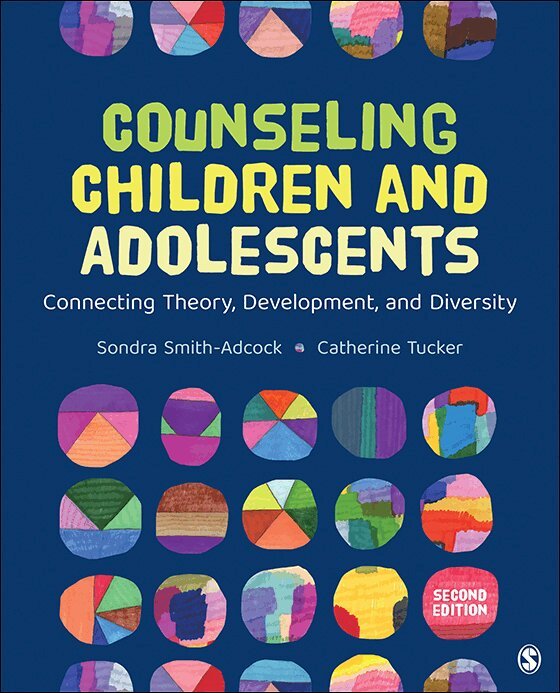
    Counseling Children and Adolescents

    Connecting Theory, Development, and Diversity

    AvSondra Smith-Adcock,Catherine Tucker

    Häftad, Engelska, 2023

    Del i serien Counseling and Professional Identity

    1 780 kr

    Skickas . Fri frakt över 249 kr.

    Beskrivning

    Counseling Children and Adolescents, Second Edition reviews the most relevant theoretical approaches for counseling children (CBT, emotion focused therapy, play therapy, systems theory and developmental theories) and focuses on connecting key theories to application via case studies. The book has an integrated framework that focuses on development and diversity. In addition, a unique aspect of this text is its focus on neuroscience, the developing brain, and the impact of early childhood trauma on development. Updates to the second edition include new coverage of the multicultural ethical decision model, intersectionality, implicit bias, the impact of the COVID-19 pandemic, and new research and citations.

    Produktinformation

    • Utgivningsdatum:2023-05-23
    • Mått:187 x 231 x 22 mm
    • Vikt:780 g
    • Format:Häftad
    • Språk:Engelska
    • Serie:Counseling and Professional Identity
    • Antal sidor:456
    • Upplaga:2
    • Förlag:SAGE Publications
    • ISBN:9781544385990

    Utforska kategorier

    • Studievägledning och elevhälsa inom Psykologi och pedagogik
    • Socialt arbete och välfärd inom Samhälle och politik

    Mer om författaren

    Sondra Smith-Adcock holds a PhD in counseling and counselor education from the University of North Carolina at Greensboro. She has taught at the University of Florida for 20+ years in both the school counseling and mental health programs. She has authored more than 50 publications on counseling-related topics, with emphasis on counseling children and adolescents. She has counseling experience in schools, agencies, and private practice settings with diverse children of all ages. Catherine Tucker holds a PhD in counselor education from the University of Florida and is a Licensed Clinical Mental Health Counselor Supervisor in North Carolina. She currently operates a private practice in Asheville, NC focused on supporting children and parents who have experienced attachment ruptures and trauma. Dr. Tucker earned tenure in the counseling area programs at Indiana State University, where she taught for 9 years. She has over 20 years of direct counseling experience, including 10 years as a school counselor, and has authored multiple journal articles and book chapters on counseling related issues. She was president of the Association for Child and Adolescent Counseling from 2017 to 2019.

    Recensioner i media

    Good Text overall.

    Innehållsförteckning

    • Chapter 1: Historical and Contextual Trends in Counseling Children and Adolescents: Guiding FrameworksCounseling Youth: A Developmental and Multicultural PerspectiveSociohistorical Context of Childhood and Children’s Mental Health Care in the United StatesCurrent Perspectives on Children’s Mental Health CareFuture TrendsChapter 2: Legal and Ethical Issues in Counseling Children and AdolescentsThe Child and Adolescent Counselor and the Law: Working Within the Legal SystemEthics of Counseling Children and Adolescents—Best Practices and Decision-MakingLegal and Ethical Issues Clinical and Developmental Group FactorsSupervisionChapter 3: Attachment, Trauma, and Repair From Infant to Adolescent Development: Counseling Implications From NeurobiologyBrain Development and EnvironmentHand Model of the BrainThe Cortices—The Executive Control CenterThe Limbic System—The Welcoming Center or GuardhouseBrain Stem—Basic SurvivalThe Vagus Nerve—The Two-Way Superhighway of EmotionNeurons—The Building Blocks of the Brain and Nervous SystemMirror NeuronsNeurotransmitters—Brain ChemistryAdverse Events and Child DevelopmentDevelopmental Trauma and DiagnosisPlay Counseling for Complex TraumaRelational, Cultural, Experiential, and Sensory InterventionsChapter 4: The Counseling Process: Establishing a Therapeutic AllianceThe Culture of Childhood and AdolescenceA Survey of Attitudes Toward ChildrenRelating to the World of ChildrenRelating to the World of AdolescentsRelating to Children and Adolescents: “What Works"Focus on the Child, Not the ProblemRelating the Child’s View to OthersUsing Therapeutic ResponsesChapter 5: Psychodynamic TheoriesSociohistorical ContextTheoristsChapter 6: Humanistic ApproachesSociohistorical ContextTheoristsApplication to Counseling SettingsExistential–Humanistic Counseling TechniquesOutcome ResearchChapter 7: Cognitive–Behavioral ApproachesSociohistorical ContextTheoristsMerging Cognitive and Behavioral Into CBTAdapting CBT for Younger ChildrenIntegrative and Cognitive Behavioral Play TherapyTrauma-Focused CBTDBT With AdolescentsAcceptance and Commitment TherapyCreative Techniques for Using CBT With Children and AdolescentsProcess and Outcome ResearchChapter 8: Family and Organizational Systems ApproachesDefining Family Systems CounselingTheoristsApplications in Counseling SettingsChapter 9: Constructivist ApproachesTheorists and Tenets of TheoriesTechniques and Application of Constructivist Counseling ApproachesChapter 10: Counseling With Very Young Children (0–4) and Their FamiliesThe Brain and Cognitive DevelopmentPsychosocial DevelopmentIssues and ConcernsDevelopmentally Appropriate Interventions With Children Ages 0–4Chapter 11: Counseling With Young Children (5–8) and Their FamiliesThe Brain and Cognitive DevelopmentPsychosocial DevelopmentIssues and ConcernsSuggestions for Developmentally Appropriate Intervention With Children Ages 5–8Chapter 12: Counseling With Older Children (9–11)The Brain and Cognitive DevelopmentIssues and ConcernsSuggestions for Developmentally Appropriate Interventions With Children Ages 9–11Chapter 13: Counseling With Young Adolescents (12–14)Developmental Theory/ConsiderationsMilestones and Issues Facing AdolescentsCultural ConsiderationsSuggested Interventions With Young Adolescents Ages 12–14 YearsChapter 14: Counseling With Older Adolescents (15–19)A Time of Rapid Growth and ChangeModels of Adolescent Identity DevelopmentToward a Global Understanding of Adolescent Identity DevelopmentIssues and Concerns: Late Adolescence in the Postmillennial GenerationSuggestions for Developmentally Appropriate Counseling Interventions With Adolescents Ages 15–19 YearsChapter 15: Counseling Emerging Adults (18–21): A Time of Uncertainty and HopePillars of Emerging Adulthood TheoryPhysical and Cognitive DevelopmentIdentity DevelopmentChickering’s Vectors of Identity DevelopmentMilestones and Issues Facing Emerging AdultsSuggestions for Developmentally Appropriate Counseling Interventions for Emerging Adults Ages 18–21