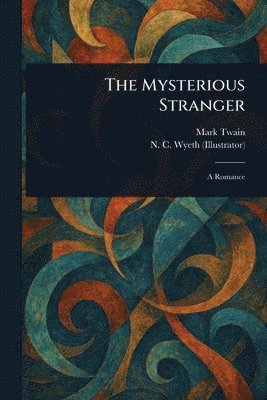
Mysterious Stranger
180 kr
Beställningsvara. Skickas inom 5-8 vardagar. Fri frakt över 249 kr.
Fler format och utgåvor
Beskrivning
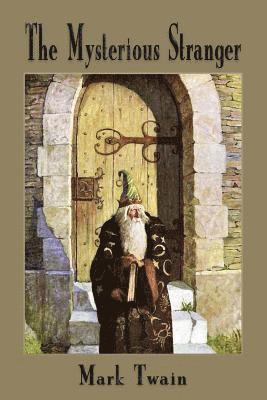
The Mysterious Stranger, published posthumously in 1916 and belonging to Twain's "dark" period, belies the popular image of the affable American humorist. At the time this work was written, Twain had suffered a series of painful physical, economic, and emotional losses.In this antireligious tale, he denies the existence of a benign Providence, a soul, an afterlife, and even reality itself. As the Stranger in the story asserts, "nothing exists; all is a dream."
Produktinformation
Utforska kategorier
Hoppa över listan




Mer från samma författare
50 Masterpieces you have to read before you die vol: 2
Hermann Hesse, Thomas Hardy, E. M. Forster, F. Scott Fitzgerald, Alexandre Dumas, Fyodor Dostoyevsky, Charles Dickens, Wilkie Collins, G. K. Chesterton, Jane Austen, Louisa May Alcott, Arthur Conan Doyle, Jules Verne, Mark Twain, Lewis Carroll
E-bok
202517 kr
Hoppa över listan