• Fri frakt över 249 kr
  • •
  • Snabba leveranser
  • •
  • Billiga böcker
Kundservice

Du är på sajten för privatpersoner.

Företag, bibliotek eller offentlig verksamhet?

Du handlar på classic.bokus.com, där alla dina funktioner finns intakta.
Till classic.bokus.com
Bokus logotyp. Gå till startsidan.
  • Erbjudanden
  • Nyheter
  • Student
  • Topplistor
  • Barn & ungdom
  • Bokus Play
  • E-böcker
  • Pocketböcker
  • Spel & pussel

10% rabatt på allt med kod NYSTART10 →

Sidfot

Mina sidor

    Hjälp

    • Kundservice
    • Vanliga frågor och svar
    • Frakt och leverans
    • Retur vid ångerrätt
    • Reklamera vara
    • Betalning
    • Köpvillkor
    • Allmänna villkor
    • Information om webbplatsens tillgänglighet

    Om Bokus

    • Om oss
    • Pressrum
    • För studenter
    • För företag
    • För bibliotek och offentlig verksamhet
    • För leverantörer
    • Hållbarhet

    Populärt

    • Aktuella erbjudanden
    • Presentkort
    • Studentlitteratur
    • Nya böcker
    • Topplistor
    • Signerade böcker
    • Engelska böcker

    Inspiration

    • Boktips
    • BookTok
    • Populära bokserier
    • Barnbokskaraktärer
    • Populära författare
    Logotyp för Bokus
    Följ oss på Facebook (extern länk)Följ oss på Instagram (extern länk)Följ oss på YouTube (extern länk)Följ oss på TikTok (extern länk)
    bokus @ CookiesAnpassa cookiesIntegritetspolicyKöpvillkor
    Till Citymail hemsida (extern länk)Till Budbee hemsida (extern länk)Till Postnord hemsida (extern länk)Till Schenker hemsida (extern länk)Till Early Bird hemsida (extern länk)Till Walleys hemsida (extern länk)
    1. Kultur
    2. Scenkonst och film
    3. Film

    White Ribbon

    AvFatima Naqvi

    Häftad, Engelska, 2020

    Del 4 i serien Camden House German Film Classics

    279 kr

    Beställningsvara. Skickas inom 10-15 vardagar. Fri frakt över 249 kr.

    Beskrivning

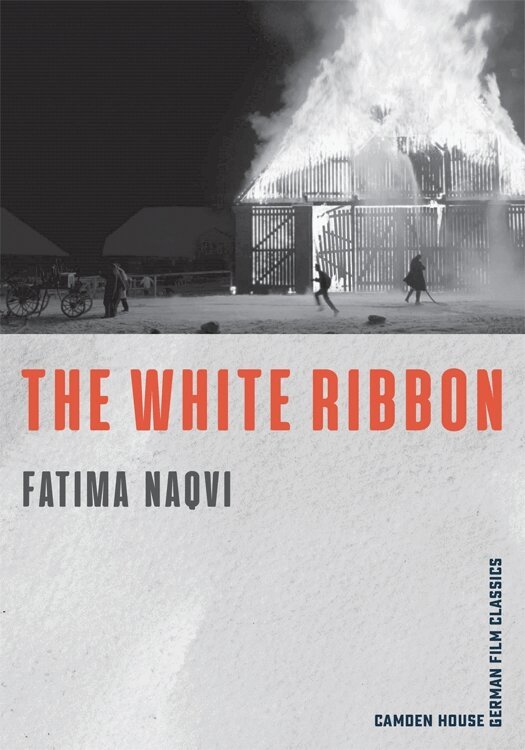
    Explores Haneke's historically complex film as a reflection on purity, ideology, violence, and child-rearing.White ribbons and black pedagogy - Michael Haneke's award-winning film The White Ribbon (2009) is a multilayered reflection on purity, ideology, violence, and child rearing. In this tense black-and-white whodunit, mysterious events occur in a small town on the German-Polish border in 1913-14. A tripwire fells the doctor's horse; a farmhand's wife falls through the floor of a shed; a barn goes up in flames; the baron's son is terribly beaten; a girls takes claims to clairvoyance; a mentally disabled boy is tortured and maimed. While the film unfolds on the eve of the First World War, the violence evokes other historical moments: the breakup of the multi ethnic Austro-Hungarian Empire, the rise of National Socialism, the emergence of 1960s German terrorism, and religious fundamentalism post 9/11.Fatima Naqvi's book looks at Haneke's technique of combining various histories in the digital era. It also reflects on the guise of literariness and historical authenticity in which the director clothes this fictional film. It meditates on the film's inscription techniques and its ability to appeal to international audiences. Naqvi shows that The White Ribbon bespeaks a certain historical "translatability" into historical and aesthetic contexts outside of Germany-in marked contrast to the historical specificity it conveys on a surface level.

    Produktinformation

    • Utgivningsdatum:2020-09-15
    • Mått:132 x 188 x 8 mm
    • Vikt:204 g
    • Format:Häftad
    • Språk:Engelska
    • Serie:Camden House German Film Classics
    • Antal sidor:98
    • Förlag:Boydell & Brewer Ltd
    • ISBN:9781640140448

    Utforska kategorier

    • Film inom Kultur

    Mer om författaren

    FATIMA NAQVI is Professor in the Department of Germanic Languages and Literatures and an Affiliate of the Film and Media Studies Program at Yale University.

    Recensioner i media

    Naqvi hopes to counter the impression some critics were left with: that . . . the film . . . argues that no one is responsible for Nazi violence. She argues convincingly that Haneke's specific indictment of Enlightenment conceptions of pedagogy and their nineteenth-century practices do in fact point to a culprit. [Those practices] "made German systems of hypocrisy, collusion, and oppression possible across generations" (78), and Haneke's specific aesthetic paradigms and film techniques make that argument clear.

    Innehållsförteckning

    • IntroductionLiterarinessInscriptionsBlack PedagogyWorking Through Working ThroughWomen's Meta-CommentaryGermannessAn Ecology of ImagesThe Unresolved MysteryCodaCreditsNotes