Häftad, Engelska, 2026
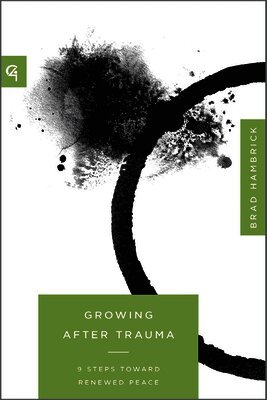
Growing After Trauma
249 kr
Beställningsvara. Skickas inom 3-6 vardagar. Fri frakt över 249 kr.
Beskrivning
Trauma is an intense past experience with lingering effects in the present. It is futile to minimize trauma’s impact, but trauma should not have the last word on our lives. Growing After Trauma seeks to help readers strike this balance. As we understand and counter the impact of trauma, we can live satisfying and fruitful lives. Hambrick outlines a process for finding peace after trauma by establishing an environment of safety, processing painful memories, and reengaging the life God designed for you to live.This biblically-rooted plan can be used as a personal study, with a counselor, or in a group. Whether your experience of trauma is from military service, serving as a first responder, abuse or human trafficking, a natural disaster, or a mass violence event, Growing After Trauma helps readers understand the impact of their trauma and identify ways to become increasingly free from its impact. It emphasizes patience, self-care, and reliance on God’s care while encouraging individuals to move forward at their own pace, while celebrating each marker of progress.Growing After Trauma is an in-depth resource for churches and individuals to use for support groups to heal from trauma in a faith-filled and safe way. The 9-step model helps participants understand the struggles that accompany trauma and gives actionable strategies for overcoming with the hope of the gospel. This book is part of the Church-Based Counseling series, built on the G4 model of subject-specific, lay-led counseling groups, designed to help churches create sustainable lay counseling ministries.
Produktinformation
- Utgivningsdatum: 2026-08-10
- Mått: 152 x 229 x 12 mm
- Vikt: 318 g
- Format: Häftad
- Språk: Engelska
- Serie: Church-Based Counseling
- Antal sidor: 240
- Förlag: New Growth Press
- ISBN: 9781645076117
Utforska kategorier
Betyg & recensioner
0 recensioner
Inga recensioner tillgängliga.