• Fri frakt över 249 kr
  • •
  • Snabba leveranser
  • •
  • Billiga böcker
Kundservice

Du är på sajten för privatpersoner.

Företag, bibliotek eller offentlig verksamhet?

Du handlar på classic.bokus.com, där alla dina funktioner finns intakta.
Till classic.bokus.com
Bokus logotyp. Gå till startsidan.
  • Erbjudanden
  • Nyheter
  • Student
  • Topplistor
  • Barn & ungdom
  • Bokus Play
  • E-böcker
  • Pocketböcker
  • Spel & pussel

10% rabatt på allt med kod: NYSTART10 →

Sidfot

Mina sidor

    Hjälp

    • Kundservice
    • Vanliga frågor och svar
    • Frakt och leverans
    • Retur vid ångerrätt
    • Reklamera vara
    • Betalning
    • Köpvillkor
    • Allmänna villkor
    • Information om webbplatsens tillgänglighet

    Om Bokus

    • Om oss
    • Pressrum
    • För studenter
    • För företag
    • För bibliotek och offentlig verksamhet
    • För leverantörer
    • Hållbarhet

    Populärt

    • Aktuella erbjudanden
    • Presentkort
    • Studentlitteratur
    • Nya böcker
    • Topplistor
    • Signerade böcker
    • Engelska böcker

    Inspiration

    • Boktips
    • BookTok
    • Populära bokserier
    • Barnbokskaraktärer
    • Populära författare
    Logotyp för Bokus
    Följ oss på Facebook (extern länk)Följ oss på Instagram (extern länk)Följ oss på YouTube (extern länk)Följ oss på TikTok (extern länk)
    bokus @ CookiesAnpassa cookiesIntegritetspolicyKöpvillkor
    Till Citymail hemsida (extern länk)Till Budbee hemsida (extern länk)Till Postnord hemsida (extern länk)Till Schenker hemsida (extern länk)Till Early Bird hemsida (extern länk)Till Walleys hemsida (extern länk)
    1. Samhälle och politik
    2. Samhälle och kultur
    3. Sociala grupper och identitet
    4. HBTQ+

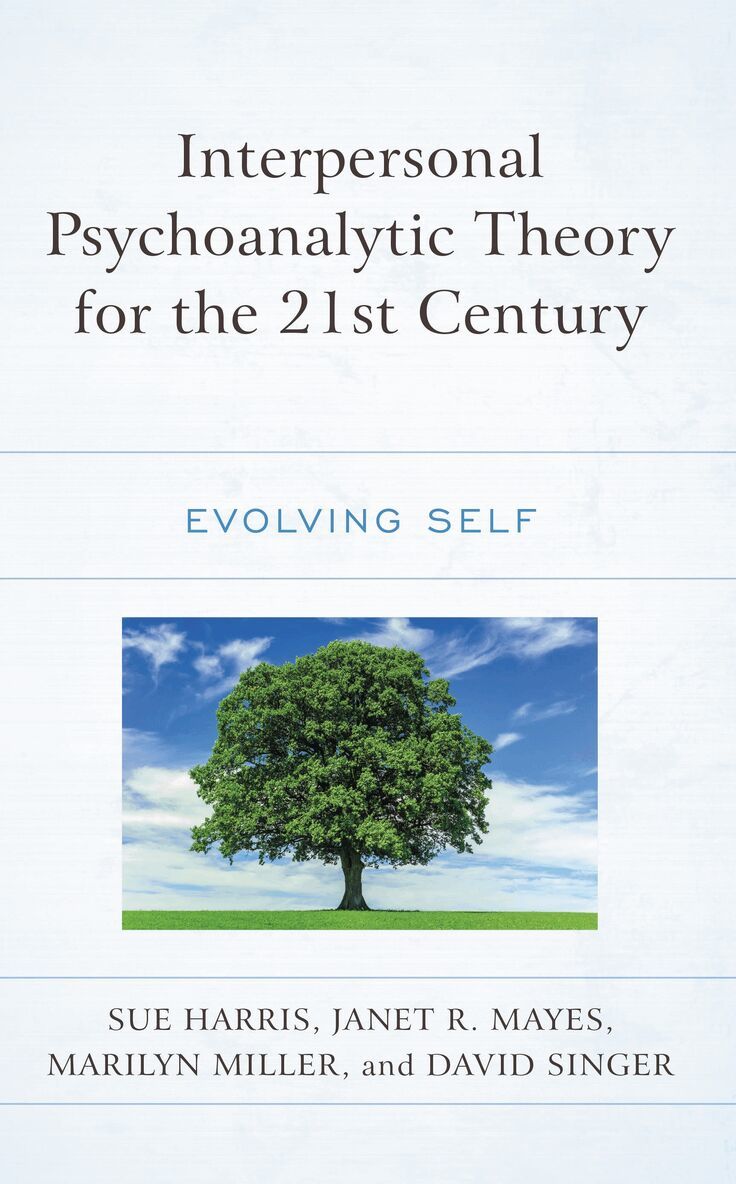
    Interpersonal Psychoanalytic Theory for the 21st Century

    Evolving Self

    AvSue Harris,Janet R. Mayes

    Inbunden, Engelska, 2023

    1 288 kr

    Beställningsvara. Skickas inom 10-15 vardagar. Fri frakt över 249 kr.

    Beskrivning

    Interpersonal psychoanalytic theory states that people can achieve insight into how, through interactions with people, they became who they are, and how they can change patterns of living that limit further satisfaction. People are born with a blueprint for growth and development that includes self-respect, joy, expansion of experiences, creativity, and ever widening and deepening human interactions. With some exceptions, the mental health profession in the United States is dictated by insurance and pharmaceutical companies, focusing primarily on symptom reduction and social conformity. These goals are inadequate. The goal, as elucidated in this book, is maximizing one's human potential. Interpersonal Psychoanalytic Theory for the 21st Century: Evolving Self is written for practitioners in all areas of mental health and pedagogy, whether or not they are psychotherapists or clinicians. It is also intended for anyone interested in understanding themselves and other people. Additionally, in the spirit of Harry Stack Sullivan, developer of the theory, this volume addresses some pressing issues relevant to interpersonal theory and practice in the twenty-first century social/economic/political milieu.

    Produktinformation

    • Utgivningsdatum:2023-01-30
    • Mått:159 x 238 x 27 mm
    • Vikt:635 g
    • Format:Inbunden
    • Språk:Engelska
    • Antal sidor:334
    • Förlag:Bloomsbury Publishing Plc
    • ISBN:9781666927504

    Utforska kategorier

    • HBTQ+ inom Samhälle och politik
    • Socialpsykologi och gruppsykologi inom Psykologi och pedagogik
    • Freudiansk psykologi inom Psykologi och pedagogik

    Mer om författaren

    Sue Harris has been in private practice in New York City since 1968. Janet R. Mayes is in private practice in New York City and was an adjunct lecturer of psychology at various colleges and universities, including Montclair State University and Kean University.Marilyn Miller (1939-2020) was a certified clinical nurse specialist in adult psychiatric and mental health nursing in addition to her private practice in New York City.David Singer has his private practice in New York City and serves as clinical psychologist at Abbott House and as adjunct assistant professor at John Jay College for Criminal Justice.

    Recensioner i media

    This volume builds on the idea, developed by psychiatrist Harry Stack Sullivan in the first half of the 20th century, that the social experiences between people, particularly those close to them, determine their sense of self and guide their behavior. The authors seek to update this theory with an eye toward clinical applications for 21st-century conditions. Examples include treatment of individuals with LGBTQIA+ identities, changing views of so-called mental disorders, and changing household environments. The theory and its associated "talk" therapies are counters to the prevalent psychiatric perspectives that the authors claim are wrongly couched in short-term drug fixes and guided by pressures from insurance companies rather than by evidence of long-term changes in behavioral patterns. Related to classical psychoanalytic thought, the theory builds on concepts of developmental eras and particularly the formative experiences one has during childhood. Considering rapidly changing notions of adolescence in the 21st century, the authors provide intriguing insights into the influence of the "juvenile era" and preadolescence on personality and behavior. Recommended. Advanced undergraduates through faculty; professionals.

    Innehållsförteckning

    • PrefaceAcknowledgmentsIntroductionChapter One: Basic ConceptsI. Developmental Eras Chapter Two: Early Infancy: The Development of Initial Blueprints for Later Experience Chapter Three: Late Infancy: Exploring Beyond the SelfChapter Four: Childhood: The Widening WorldChapter: Five: The Juvenile Era: Group Experience and The Political Arts of RelatingChapter Six: Preadolescence: Falling in Love with a PeerChapter Seven: Adolescence: Precursor to Independence, Emergence of Sexuality, Need for Partnership, Intimacy—A Work in ProgressChapter Eight: Adulthood: A New Interpersonal ChallengeII. Personality and How It WorksChapter Nine: The Self-systemChapter Ten: Despair and the Central ParanoiaChapter Eleven: Cognitive Development, an Interpersonal PhenomenonChapter Twelve: The (Essential) Interpersonal Context of LearningChapter Thirteen: The Interpersonal Theory of EnvyIII. Practical ApplicationsChapter Fourteen: Interpersonal Theory and PsychotherapyChapter Fifteen: Dreams