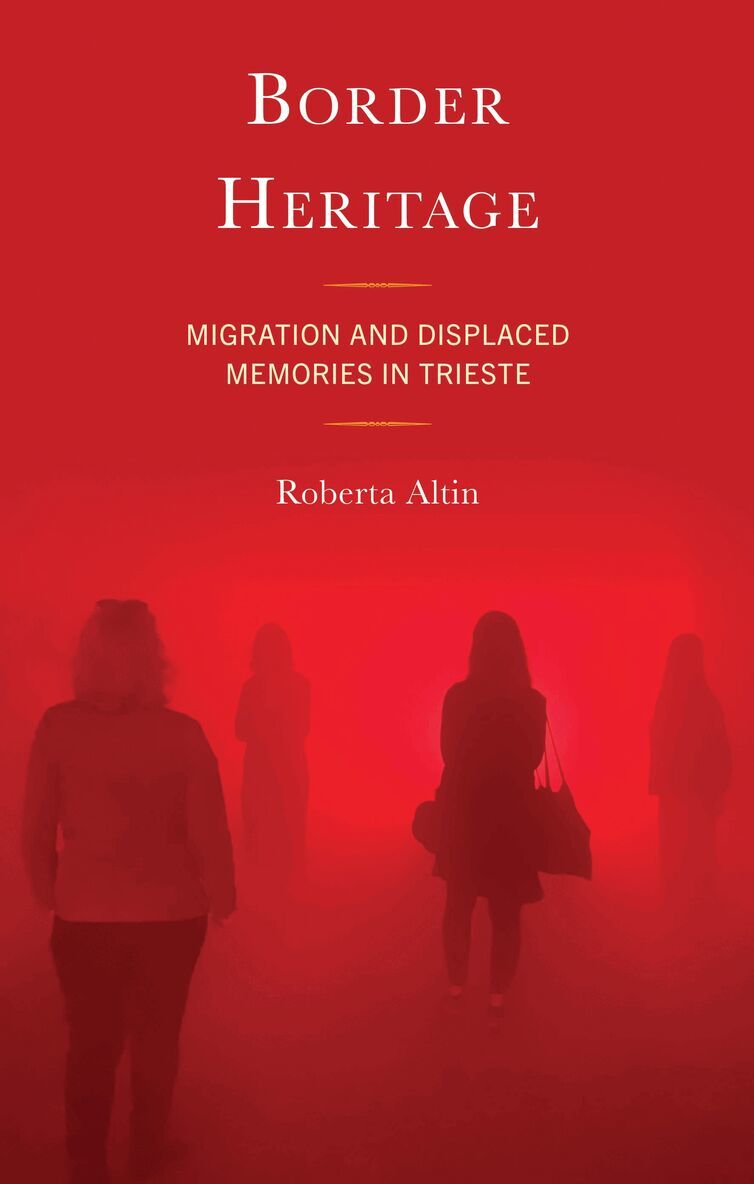
Inbunden, Engelska, 2024
Border Heritage
Migration and Displaced Memories in Trieste
Del i serien Crossing Borders in a Global World: Applying Anthropology to Migration, Displacement, and Social Change
1203 kr
Beställningsvara. Skickas inom 10-15 vardagar. Fri frakt över 249 kr.
Beskrivning
Border Heritage opens new insights in migration studies through analysis of the same emblematic eastern-central European borderland in Trieste, crossed by four refugee migrations over 70 years of history (1945–2022). Born from a dual personal and professional perspective, the book’s original structure starts from the Ukrainian displacement, going back to the asylum seekers arriving via the Balkans, then to refugees from the former Yugoslavia, and the exodus from Istria after the Second World War; the second part focuses on places, objects, and displaced memories. Each chapter begins with a particularly significant account by a refugee, which anchors the argument in everyday life and gives a human dimension to the following conceptual developments. All but scattered, the narrative plot offers a cohesive thread through the various chapters, analyzing how the various migrations have stratified, overlapped, and contaminated each other.Critically rethinking the heritage of a borderland means rethinking cognitive categories and being able to perceive the different nuances of those on the margins, without necessarily wanting to merge them into a generic “social inclusion” and instead giving them the right to a different voice. This book reverses the monochrome historical perspective to instead adopt the migrants’ perspective and make them the subject of study in a set of historical migrations.
Produktinformation
- Utgivningsdatum: 2024-07-17
- Mått: 159 x 236 x 22 mm
- Vikt: 499 g
- Format: Inbunden
- Språk: Engelska
- Serie: Crossing Borders in a Global World: Applying Anthropology to Migration, Displacement, and Social Change
- Antal sidor: 226
- Förlag: Bloomsbury Publishing Plc
- ISBN: 9781666949490
Utforska kategorier
Mer om författaren
Roberta Altin is associate professor of cultural anthropology in the Department of Humanities, University of Trieste.
Recensioner i media
Border Heritage is a masterful book that engages in a debate with methodological nationalism. It takes the city of Trieste as an entry point to think in grounded and at the same time comparative terms about migration, border regimes and memories of displacement. It compellingly brings together first-hand empirical research, historical inquiry and intellectual critique.
Betyg & recensioner
0 recensioner
Inga recensioner tillgängliga.