Häftad, Engelska, 2026
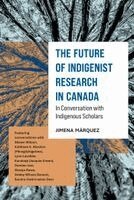
Future of Indigenist Research in Canada
610 kr
Beställningsvara. Skickas inom 5-8 vardagar. Fri frakt över 249 kr.
Beskrivning
This timely and engaging volume brings together eight remarkable, leading, and emerging Indigenous scholars from various fields in conversation with author Jimena Márquez to critically assess the state of Indigenist research in a post-Truth and Reconciliation Commission era. Through ten thematically organized chapters, Márquez uses a multigenerational dialogical lens to explore what work has been done over the last decade, what shifts are taking place now, what's in store for the future of the field, and who should take on this valuable work and how they can be held accountable to Indigenous communities.Topics include the core principles of Indigenist research, intellectual integrity, identity-shifting strategies still present in academia, and the consequences of misguided approaches. Through these candid conversations, students and researchers will get a rare view into the complexities of decolonial scholarship and the responsibilities it entails. Woven together and contextualized by Márquez, the discussions converge on a shared direction forward and offer a tool for critical reflexivity to support readers in decolonizing their own research practices.Designed to be accessible and thought-provoking, this is an ideal resource for students beginning their journey into Indigenous research methodologies, as well as for student researchers who might already have an Indigenist project in mind.
Produktinformation
- Utgivningsdatum: 2026-10-31
- Mått: 13 x 229 x 152 mm
- Format: Häftad
- Språk: Engelska
- Antal sidor: 258
- Förlag: Canadian Scholars
- ISBN: 9781773385402
Utforska kategorier
Betyg & recensioner
0 recensioner
Inga recensioner tillgängliga.