Häftad, Engelska, 2016
Killing of Death
1411 kr
Beställningsvara. Skickas inom 5-8 vardagar. Fri frakt över 249 kr.
Beskrivning
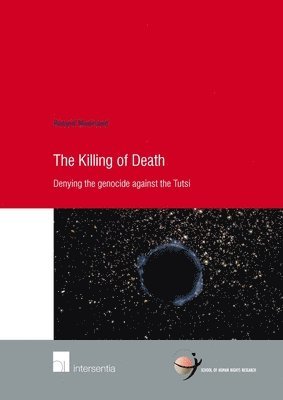
This study deals with the phenomenon of genocide denialism, and in particular how it operates in the context of the genocide against the Tutsi. The term genocide denialism denotes that we are not dealing with a single act or type of (genocide) denial but with a more elaborate process of denial that involves a variety of denialist and denial-like acts that are part of the process of genocide. From this study it becomes clear that the process of genocide thrives on a more elaborate denial dynamic than recognized in expert literature until now. This study consists of three parts. The first theoretical part analyses what the elements of denial and genocide entail and how they are (inter)related. The exploration results in a typology of genocide denialism. This model clarifies the different functions denial performs throughout the process of genocide. It furthermore explains how actors engage in denial and on which rhetorical devices speech acts of denial rely. The second part of the study focuses on denial in practice and it analyses how denial operates in the particular case of the genocide against the Tutsi. The analysis reveals a complex denial dynamic: not only those who perpetrated the genocide are involved in its denial, but also certain Western scholars, journalists, lawyers, etc. The latter were originally not involved in the genocide but recycle (elements of) the denial discourse of the perpetrators. The study addresses the implications of such recycling and discusses whether these actors actually have become involved in the genocidal process. This sheds light on the complex relationship between genocide and denial. The insights gained throughout the first two parts of this study have significant implications for many other actors that through their actions engage with the flow of meaning concerning the specific events in Rwanda or genocide in general. The final part of this study critically reflects on the actions of a variety of actors and their significance in terms of genocide denialism. These actors include scholars from various fields, human rights organisations, the ICTR, and the government of Rwanda. On a more fundamental level this study critically highlights how the revisionist scientific climate, in which knowledge and truth claims are constantly questioned, is favourable to genocide denialism and how the post-modern turn in academia has exacerbated this climate. Ultimately, this study reveals that the phenomenon of genocide denial involves more than perpetrators denying their genocidal crimes and the scope of actors and actions relevant in terms of genocide denialism is much broader than generally assumed.
Produktinformation
- Utgivningsdatum: 2016-02-05
- Mått: 170 x 240 x 2 mm
- Vikt: 682 g
- Format: Häftad
- Språk: Engelska
- Serie: Human Rights Research Series
- Antal sidor: 406
- Förlag: Intersentia Ltd
- ISBN: 9781780683515
Utforska kategorier
Betyg & recensioner
0 recensioner
Inga recensioner tillgängliga.