• Fri frakt över 249 kr
  • •
  • Snabba leveranser
  • •
  • Billiga böcker
Kundservice

Du är på sajten för privatpersoner.

Företag, bibliotek eller offentlig verksamhet?

Du handlar på classic.bokus.com, där alla dina funktioner finns intakta.
Till classic.bokus.com
Bokus logotyp. Gå till startsidan.
  • Erbjudanden
  • Nyheter
  • Student
  • Topplistor
  • Barn & ungdom
  • Bokus Play
  • E-böcker
  • Pocketböcker
  • Spel & pussel

10% rabatt på allt med kod: NYSTART10 →

Sidfot

Mina sidor

    Hjälp

    • Kundservice
    • Vanliga frågor och svar
    • Frakt och leverans
    • Retur vid ångerrätt
    • Reklamera vara
    • Betalning
    • Köpvillkor
    • Allmänna villkor
    • Information om webbplatsens tillgänglighet

    Om Bokus

    • Om oss
    • Pressrum
    • För studenter
    • För företag
    • För bibliotek och offentlig verksamhet
    • För leverantörer
    • Hållbarhet

    Populärt

    • Aktuella erbjudanden
    • Presentkort
    • Studentlitteratur
    • Nya böcker
    • Topplistor
    • Signerade böcker
    • Engelska böcker

    Inspiration

    • Boktips
    • BookTok
    • Populära bokserier
    • Barnbokskaraktärer
    • Populära författare
    Logotyp för Bokus
    Följ oss på Facebook (extern länk)Följ oss på Instagram (extern länk)Följ oss på YouTube (extern länk)Följ oss på TikTok (extern länk)
    bokus @ CookiesAnpassa cookiesIntegritetspolicyKöpvillkor
    Till Citymail hemsida (extern länk)Till Budbee hemsida (extern länk)Till Postnord hemsida (extern länk)Till Schenker hemsida (extern länk)Till Early Bird hemsida (extern länk)Till Walleys hemsida (extern länk)
    1. Kultur
    2. Konstböcker
    3. Konsthistoria

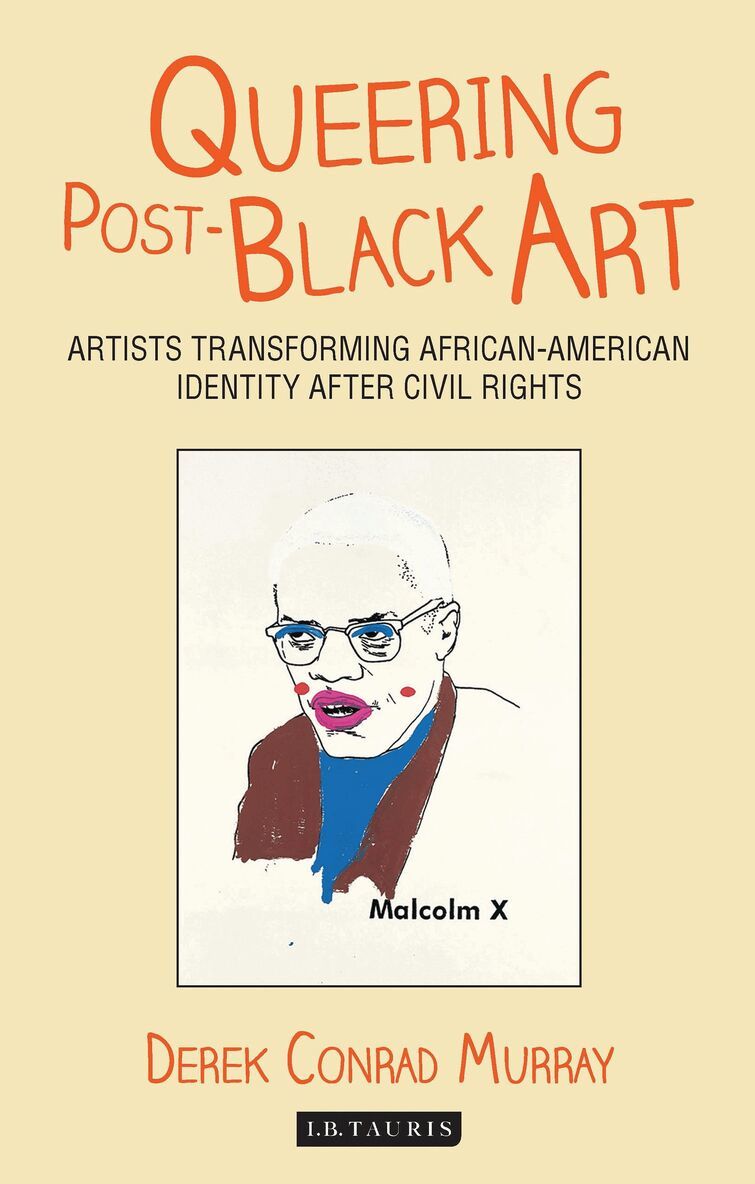
    Queering Post-Black Art

    Artists Transforming African-American Identity After Civil Rights

    AvDerek Conrad Murray

    Häftad, Engelska, 2015

    350 kr

    Beställningsvara. Skickas inom 10-15 vardagar. Fri frakt över 249 kr.

    Beskrivning

    What impact do sexual politics and queer identities have on the understanding of 'blackness' as a set of visual, cultural and intellectual concerns? In Queering Post-Black Art, Derek Conrad Murray argues that the rise of female, gay and lesbian artists as legitimate African-American creative voices is essential to the development of black art. He considers iconic works by artists including Glenn Ligon, Kehinde Wiley, Mickalene Thomas and Kalup Linzy, which question whether it is possible for blackness to evade its ideologically over-determined cultural legibility. In their own unique, often satirical way, a new generation of contemporary African American artists represent the ever-evolving sexual and gender politics that have come to define the highly controversial notion of 'post-black' art. First coined in 2001, the term 'post-black' resonated because it articulated the frustrations of young African-American artists around notions of identity and belonging that they perceived to be stifling, reductive and exclusionary. Since then, these artists have begun to conceive an idea of blackness that is beyond marginalization and sexual discrimination.

    Produktinformation

    • Utgivningsdatum:2015-10-22
    • Mått:138 x 214 x 18 mm
    • Vikt:320 g
    • Format:Häftad
    • Språk:Engelska
    • Antal sidor:256
    • Förlag:Bloomsbury Publishing PLC
    • ISBN:9781784532871

    Utforska kategorier

    • Konsthistoria inom Kultur
    • Etnicitet inom Samhälle och politik

    Mer om författaren

    Derek Conrad Murray is Associate Professor of History of Art and Visual Culture at the University of California, Santa Cruz and is one of the foremost experts on the subject of contemporary African-American art. He completed a Ph.D. in the Department of History of Art, Cornell University in 2005.

    Recensioner i media

    'In Queering Post-Black Art, Murray takes on the project of art history itself, its creation of arbitrary value that lauds certain efforts and excludes others. Murray parses out and takes on discourses that are key to understandings of art history, African-American art, and Contemporary art. He is unafraid of speaking truth to power.' - Cherise Smith, Associate Professor of Art History: African-American and African Diaspora Art