• Fri frakt över 249 kr
  • •
  • Snabba leveranser
  • •
  • Billiga böcker
Kundservice

Du är på sajten för privatpersoner.

Företag, bibliotek eller offentlig verksamhet?

Du handlar på classic.bokus.com, där alla dina funktioner finns intakta.
Till classic.bokus.com
Bokus logotyp. Gå till startsidan.
  • Erbjudanden
  • Nyheter
  • Student
  • Topplistor
  • Barn & ungdom
  • Bokus Play
  • E-böcker
  • Pocketböcker
  • Spel & pussel

10% studentrabatt med kod TERM26

Sidfot

Mina sidor

    Hjälp

    • Kundservice
    • Vanliga frågor och svar
    • Frakt och leverans
    • Retur vid ångerrätt
    • Reklamera vara
    • Betalning
    • Köpvillkor
    • Allmänna villkor
    • Information om webbplatsens tillgänglighet

    Om Bokus

    • Om oss
    • Pressrum
    • För studenter
    • För företag
    • För bibliotek och offentlig verksamhet
    • För leverantörer
    • Hållbarhet

    Populärt

    • Aktuella erbjudanden
    • Presentkort
    • Studentlitteratur
    • Nya böcker
    • Topplistor
    • Signerade böcker
    • Engelska böcker

    Inspiration

    • Boktips
    • BookTok
    • Populära bokserier
    • Barnbokskaraktärer
    • Populära författare
    Logotyp för Bokus
    Följ oss på Facebook (extern länk)Följ oss på Instagram (extern länk)Följ oss på YouTube (extern länk)Följ oss på TikTok (extern länk)
    bokus @ CookiesAnpassa cookiesIntegritetspolicyKöpvillkor
    Till Citymail hemsida (extern länk)Till Budbee hemsida (extern länk)Till Postnord hemsida (extern länk)Till Schenker hemsida (extern länk)Till Early Bird hemsida (extern länk)Till Walleys hemsida (extern länk)
    1. Historia och arkeologi
    2. Historia
    3. Europas historia
    4. Romarna

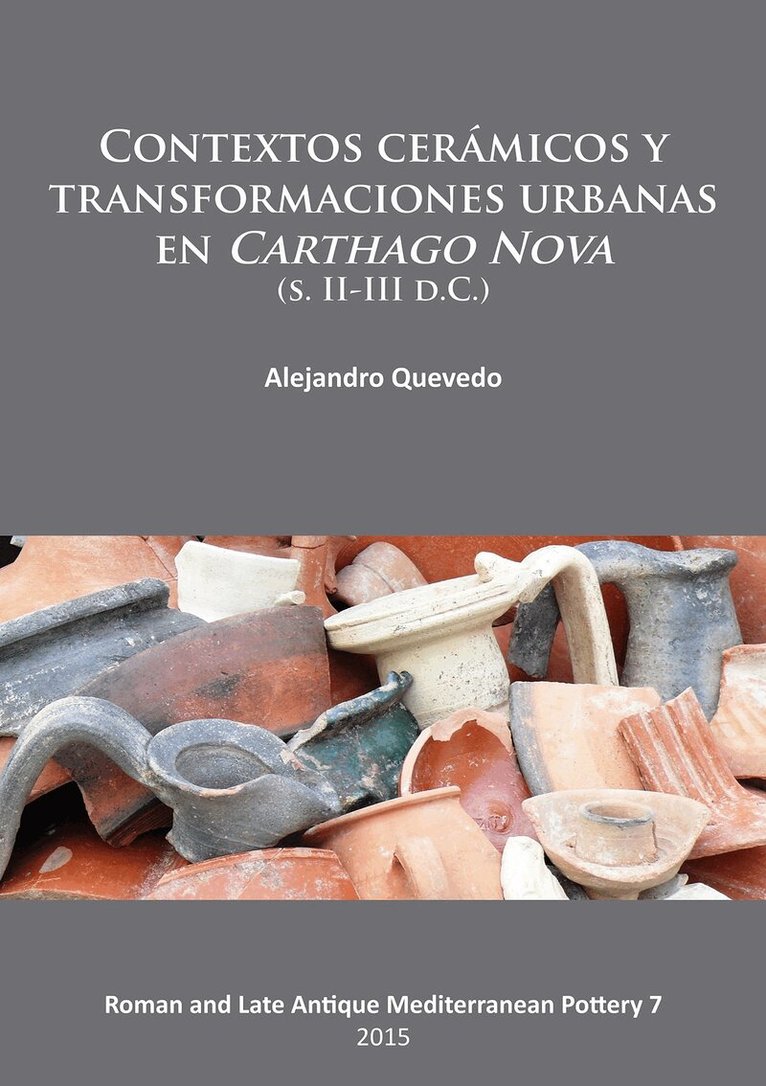
    Contextos cerámicos y transformaciones urbanas en Carthago Nova (s. II-III d.C.)

    AvAlejandro Quevedo

    Häftad, Spanska, 2015

    Del 7 i serien Roman and Late Antique Mediterranean Pottery

    1 104 kr

    Skickas . Fri frakt över 249 kr.

    Fler format och utgåvor

    E-bok

    326 kr

    Beskrivning

    The transition process of the Roman city between the Early Roman period and Late Antiquity is difficult to understand due to the absence of urban models and the decline in epigraphy. The transformations that accompany this period are detectable in the western provinces of the Empire from a very early time. Their interpretation –crisis, mutation, etc.– varies with each study case. Ancient Cartagena (Hispania Citerior) is a paradigm of these changes. Starting under Marcus Aurelius, the city began to show symptoms of exhaustion, at the same time as literary and epigraphic evidence began to decline, until it disappeared altogether. In these pages we aim to contribute –and at the same time vindicate– an approach to discovering more about the 2nd and 3rd centuries AD based on the archaeological record and taking into account the stratigraphic sequences and especially the pottery material culture. The compiled documentation begins with a triple vocation: to serve as an instrument for dating; to provide quantified data about Carthago Nova’s patterns of consumption, way of life and trading links; and to understand the evolution of the city in a period from which the urban model of the Late Period emerged. Spanish text with English summary.

    Produktinformation

    • Utgivningsdatum:2015-10-31
    • Mått:210 x 297 x 20 mm
    • Vikt:2 043 g
    • Format:Häftad
    • Språk:Spanska
    • Serie:Roman and Late Antique Mediterranean Pottery
    • Antal sidor:400
    • Förlag:Archaeopress
    • ISBN:9781784910549

    Utforska kategorier

    • Romarna inom Historia och arkeologi

    Innehållsförteckning

    • Prólogo Agradecimientos Introducción PARTE I 1. Carthago Nova a finales del Alto Imperio: preludio de una transformación 2. Los “niveles de abandono” de Carthago Nova (s. II-III d.C.): problemática histórica PARTE II 3. Las producciones cerámicas 4. Contextos de los s. II-III d.C. en Cartagena y su entorno: casos de estudio PARTE III 5. Carthago Nova de Marco Aurelio a Diocleciano (161-305 d.C.) Conclusiones Summary Résumé Bibliografía Procedencia figuras Anexo – Tablas