• Fri frakt över 249 kr
  • •
  • Snabba leveranser
  • •
  • Billiga böcker
Kundservice

Du är på sajten för privatpersoner.

Företag, bibliotek eller offentlig verksamhet?

Du handlar på classic.bokus.com, där alla dina funktioner finns intakta.
Till classic.bokus.com
Bokus logotyp. Gå till startsidan.
  • Erbjudanden
  • Nyheter
  • Student
  • Topplistor
  • Barn & ungdom
  • Bokus Play
  • E-böcker
  • Pocketböcker
  • Spel & pussel

10% rabatt på allt med kod: NYSTART10 →

Sidfot

Mina sidor

    Hjälp

    • Kundservice
    • Vanliga frågor och svar
    • Frakt och leverans
    • Retur vid ångerrätt
    • Reklamera vara
    • Betalning
    • Köpvillkor
    • Allmänna villkor
    • Information om webbplatsens tillgänglighet

    Om Bokus

    • Om oss
    • Pressrum
    • För studenter
    • För företag
    • För bibliotek och offentlig verksamhet
    • För leverantörer
    • Hållbarhet

    Populärt

    • Aktuella erbjudanden
    • Presentkort
    • Studentlitteratur
    • Nya böcker
    • Topplistor
    • Signerade böcker
    • Engelska böcker

    Inspiration

    • Boktips
    • BookTok
    • Populära bokserier
    • Barnbokskaraktärer
    • Populära författare
    Logotyp för Bokus
    Följ oss på Facebook (extern länk)Följ oss på Instagram (extern länk)Följ oss på YouTube (extern länk)Följ oss på TikTok (extern länk)
    bokus @ CookiesAnpassa cookiesIntegritetspolicyKöpvillkor
    Till Citymail hemsida (extern länk)Till Budbee hemsida (extern länk)Till Postnord hemsida (extern länk)Till Schenker hemsida (extern länk)Till Early Bird hemsida (extern länk)Till Walleys hemsida (extern länk)
    1. Samhälle och politik
    2. Sociologi och antropologi
    3. Antropologi

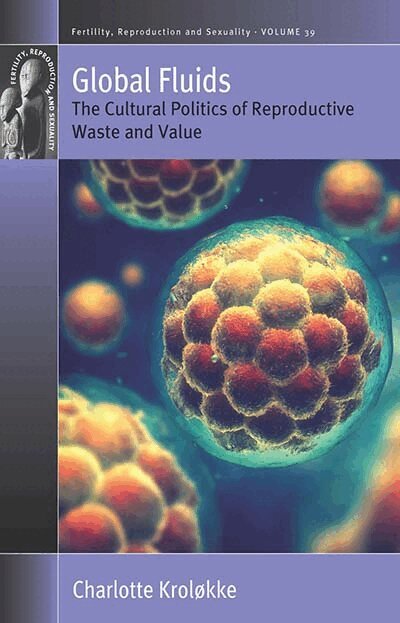
    Global Fluids

    The Cultural Politics of Reproductive Waste and Value

    AvCharlotte Kroløkke

    Inbunden, Engelska, 2018

    Del i serien Fertility, Reproduction and Sexuality: Social and Cultural Perspectives

    1 861 kr

    Beställningsvara. Skickas inom 5-8 vardagar. Fri frakt över 249 kr.

    Fler format och utgåvor

    E-bok

    315 kr

    Beskrivning

    In the fertility and cosmetics industries, women’s body products – such as urine, eggs, and placentas – have moved from being seen as waste to becoming valuable ingredients. Taking a sociological and anthropological perspective, the author focuses in particular on the role that countries like Denmark, Spain, the Netherlands, and Japan play in the reproductive products industry, and discusses the moral limits of the cultural and rhetorical trajectories that turn women’s body products into internationally mobile substances.

    Produktinformation

    • Utgivningsdatum:2018-07-27
    • Mått:152 x 229 x 16 mm
    • Vikt:457 g
    • Format:Inbunden
    • Språk:Engelska
    • Serie:Fertility, Reproduction and Sexuality: Social and Cultural Perspectives
    • Antal sidor:206
    • Förlag:Berghahn Books
    • ISBN:9781785338922

    Utforska kategorier

    • Antropologi inom Samhälle och politik
    • Genusvetenskap inom Samhälle och politik
    • Människans biologi inom Naturvetenskap och teknik

    Mer om författaren

    Charlotte Kroløkke is a Professor in the Department for the Study of Culture at the University of Southern Denmark, with special responsibilities in cultural analyses of reproductive medicine. She has headed several interdisciplinary research projects on assisted reproduction and the fertility industry, and has published widely within the field of feminist communication and cultural analyses of reproduction.

    Recensioner i media

    “Overall, Kroløkke offers a comprehensive analysis of the global trade in reproductive material and how it fuels the hopes (and commodification) of procreation...Global Fluids is well-organized, researched, and argued and is a valuable contribution to the literature of fertility, gender, organ and tissues donation, critical race and ethnicity, science and technology, and political economy studies.” • Journal of the Royal Anthropological Institute“Overall, Kroløkke offers a comprehensive analysis of the global trade in reproductive material and how it fuels the hopes (and commodification) of procreation. Global Fluids is well-organized, researched, and argued and is a valuable contribution to the literature of fertility, gender, organ and tissues donation, critical race and ethnicity, science and technology, and political economy studies. It will also speak to activists and advocates of reproductive autonomy and anyone who is interested in understanding the processes in which female reproductive bodies can be disassociated from the individuals who they belong to.” • Anthropos“This book represents a timely, insightful, and valuable contribution to reproductive studies. It offers a good example of how to do interdisciplinary, comparative work that critically engages with both the contexts and the consequences of the global fertility industry, which is a booming and influential part of the contemporary economy that medical anthropologists would be unwise to ignore. Global Fluids provides a sophisticated understanding of how class, gender, race, and sexuality intersect in the global flows of reproductive substances…The work presented in this book would not only provide a useful and enlightening teaching tool, it could also help guide further research into other reproductive substances as various as breastmilk, culture media, and stem cells.” • Medical Anthropology Quarterly“I found this book approachable and clearly written, with the cases Kroløkke presents from her ethnographic research adding illustrative context to her theoretical approaches… While clearly not a history, parts of Global Fluids could be used in a history of reproduction course or one on the history of the body as a way to encourage students to think about historical change and continuity regarding bodies and their products.” • Social History of Medicine“This is sophisticated scholarship that offers original insights into notions of waste and value and their insertion into bio-industries. It is a highly readable, stimulating synthesis of current feminist cultural analysis.” • Andrea Whittaker, Monash University

    Innehållsförteckning

    • List of IllustrationsAcknowledgementsIntroductionChapter 1. Scholarly ConversationChapter 2. Urine. From Waste to Hormone ShotsChapter 3. Oocytes: From Waste to AssetsChapter 4. Placentas: From Waste to RegenerationConclusionBibliographyIndex