• Fri frakt över 249 kr
  • •
  • Snabba leveranser
  • •
  • Billiga böcker
Kundservice

Du är på sajten för privatpersoner.

Företag, bibliotek eller offentlig verksamhet?

Du handlar på classic.bokus.com, där alla dina funktioner finns intakta.
Till classic.bokus.com
Bokus logotyp. Gå till startsidan.
  • Erbjudanden
  • Nyheter
  • Student
  • Topplistor
  • Barn & ungdom
  • Bokus Play
  • E-böcker
  • Pocketböcker
  • Spel & pussel

10% rabatt på allt med kod NYSTART10 →

Sidfot

Mina sidor

    Hjälp

    • Kundservice
    • Vanliga frågor och svar
    • Frakt och leverans
    • Retur vid ångerrätt
    • Reklamera vara
    • Betalning
    • Köpvillkor
    • Allmänna villkor
    • Information om webbplatsens tillgänglighet

    Om Bokus

    • Om oss
    • Pressrum
    • För studenter
    • För företag
    • För bibliotek och offentlig verksamhet
    • För leverantörer
    • Hållbarhet

    Populärt

    • Aktuella erbjudanden
    • Presentkort
    • Studentlitteratur
    • Nya böcker
    • Topplistor
    • Signerade böcker
    • Engelska böcker

    Inspiration

    • Boktips
    • BookTok
    • Populära bokserier
    • Barnbokskaraktärer
    • Populära författare
    Logotyp för Bokus
    Följ oss på Facebook (extern länk)Följ oss på Instagram (extern länk)Följ oss på YouTube (extern länk)Följ oss på TikTok (extern länk)
    bokus @ CookiesAnpassa cookiesIntegritetspolicyKöpvillkor
    Till Citymail hemsida (extern länk)Till Budbee hemsida (extern länk)Till Postnord hemsida (extern länk)Till Schenker hemsida (extern länk)Till Early Bird hemsida (extern länk)Till Walleys hemsida (extern länk)
    1. Samhälle och politik
    2. Politik och statsskick
    3. Centralt styre och förvaltning

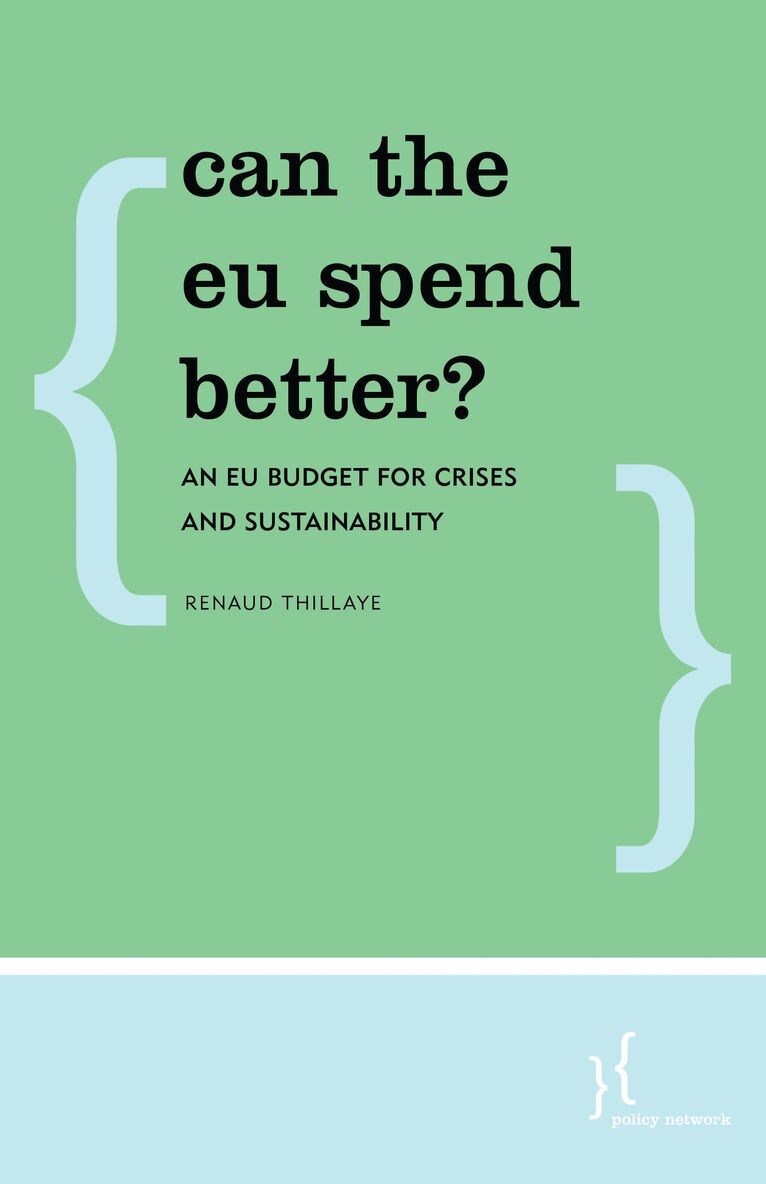
    Can the EU Spend Better?

    An EU Budget for Crises and Sustainability

    AvRenaud Thillaye

    Häftad, Engelska, 2016

    Del i serien Policy Network

    368 kr

    Beställningsvara. Skickas inom 10-15 vardagar. Fri frakt över 249 kr.

    Fler format och utgåvor

    E-bok

    393 kr

    Beskrivning

    The main parameters of the EU budget are decided upon every seven years when the MFF (Multi-annual Financial Framework) is negotiated. Before the end of 2016, EU institutions will undertake a mid-term review of the EU’s 2014-2020. This comes in a context of severe turbulences for the EU project: a difficult economic and social situation in most member states, huge migration pressures and new security threats stemming from an unstable environment, and the Britain’s decision to leave the EU. At the same time, EU countries need to face up to climate change and engineer a smooth transition towards an innovation-based sustainable economic model. The EU’s very survival depends on the ability to respond to these multiple challenges in the next few years. Making a smarter and more strategic use of the €960 billion MFF has become a necessity. Can the EU Spend Better? argues that the scope for a substantial revision of the MFF is limited in the short-term. At most, pressing issues such as terrorism and the deteriorated social situation will lead to greater flexibility in the use of existing envelopes. However, the debate starting in 2017 over the next MFF provides with the opportunity of more substantial shifts in four main directions: more investment- and performance-oriented spending; the expansion of climate conditionality to all spending areas; more targeted redistributive spending matched with greater reform conditionality; a more outward-looking budget.

    Produktinformation

    • Utgivningsdatum:2016-12-22
    • Mått:139 x 217 x 8 mm
    • Vikt:177 g
    • Format:Häftad
    • Språk:Engelska
    • Serie:Policy Network
    • Antal sidor:120
    • Förlag:Bloomsbury Publishing PLC
    • ISBN:9781786602848

    Utforska kategorier

    • Centralt styre och förvaltning inom Samhälle och politik
    • Ekonomisk politik inom Ekonomi och Ledarskap
    • Projektledning inom Ekonomi och Ledarskap

    Mer om författaren

    Renaud Thillaye is deputy director of Policy Network.

    Innehållsförteckning

    • 1.Introduction / 2.Historical perspective on the EU Budget / 3.The MFF 2014-2020 negotiations: key debates and players / 4.What to expect from the MFF mid-term review / 5.The long-term view: the post-2020 EU budget / 6.Recommendations