John Donne
In the Shadow of Religion
224 kr
Skickas . Fri frakt över 249 kr.
Du är på sajten för privatpersoner.
224 kr
Skickas . Fri frakt över 249 kr.
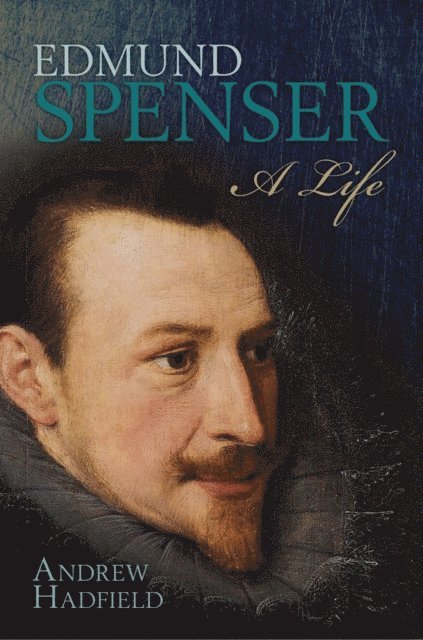
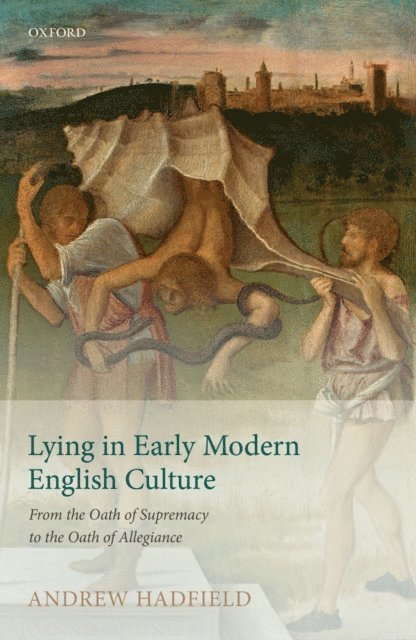
Andrew Hadfield is Professor of English at the University of Sussex. He is the author of a number of works on early modern literature and culture, including Lying in Early Modern Culture (2017), Edmund Spenser: A Life (2012) and Shakespeare and Republicanism (2005).
Andrew Hadfield’s John Donne: In the shadow of religion is not a biography, but a portrait of Donne through his works and times. It is gorgeously produced, with glossy pages and ample colour images of portraits, manuscripts, maps, monuments and frescoes . . . Its six themed chapters, elegantly and clearly written, will appeal to those immersed in Donne as well as those who know only a handful of lyrics. - TLSHadfield evidently has wide knowledge of the period. - John Carey, Sunday TimesThe great achievement of Andrew Hadfield’s John Donne: In the Shadow of Religion, and what sets it apart, is how convincingly it connects the seemingly disparate strands of Donne’s life and work – his lifelong struggle with matters of the soul, his paradoxical erotic and religious poetry, his marriage, his friendships, his sermons – allowing us to see above all Donne the brilliant and restless thinker. - James Shapiro, author of 1599: A Year in the Life of William ShakespeareAndrew Hadfield’s exemplary study of John Donne – a notoriously ‘difficult’ writer – is lucid and informative, yet always ready to probe towards new interpretations. Exploring lesser-known corners of Donne’s extensive output, he celebrates the ‘capacious and interconnected’ imagination of this complex, charismatic figure. - Charles Nicholl, author of 'The Lodger: Shakespeare on Silver Street'The book is an effective . . . introduction to Donne for the general reader, and is praiseworthy for its focus on religion as a formative and crucial element in Donne’s life and the lives of the vast majority of his contemporaries. - Peter Davidson, The Heythrop JournalIf it necessarily curtails depth of enquiry, the broad scope of this book certainly leads to a sense that we are getting an impression of John Donne — a multifaceted individual if ever there was one—in three dimensions. - Modern Language ReviewAndrew Hadfield's book is a delightful read for anyone wishing a concise but detailed discussion of Donne's life and thinking. The outline of the book is clear and purposeful, and the presentation is well supported with examples . . . [a] combination of biographical review and focus on the development of religious life is the main strength of the book . . . Finally, it must be added that the book is visually very pleasing. The paper of the printed book is of high quality, the typeset agreeable to the eye, and the images clear and sharp, many rendered in beautiful color. The book serves well as an illustrated overview, and it is a welcome addition to the discussion about Donne's religious thinking, especially for students and readers of Donne who want to move beyond general introductions and get to know the poet on a deeper level. - Maria Salenius, Renaissance Quarterly
Du är på sajten för privatpersoner.
224 kr
Skickas . Fri frakt över 249 kr.
Andrew Hadfield is Professor of English at the University of Sussex. He is the author of a number of works on early modern literature and culture, including Lying in Early Modern Culture (2017), Edmund Spenser: A Life (2012) and Shakespeare and Republicanism (2005).
Andrew Hadfield’s John Donne: In the shadow of religion is not a biography, but a portrait of Donne through his works and times. It is gorgeously produced, with glossy pages and ample colour images of portraits, manuscripts, maps, monuments and frescoes . . . Its six themed chapters, elegantly and clearly written, will appeal to those immersed in Donne as well as those who know only a handful of lyrics. - TLSHadfield evidently has wide knowledge of the period. - John Carey, Sunday TimesThe great achievement of Andrew Hadfield’s John Donne: In the Shadow of Religion, and what sets it apart, is how convincingly it connects the seemingly disparate strands of Donne’s life and work – his lifelong struggle with matters of the soul, his paradoxical erotic and religious poetry, his marriage, his friendships, his sermons – allowing us to see above all Donne the brilliant and restless thinker. - James Shapiro, author of 1599: A Year in the Life of William ShakespeareAndrew Hadfield’s exemplary study of John Donne – a notoriously ‘difficult’ writer – is lucid and informative, yet always ready to probe towards new interpretations. Exploring lesser-known corners of Donne’s extensive output, he celebrates the ‘capacious and interconnected’ imagination of this complex, charismatic figure. - Charles Nicholl, author of 'The Lodger: Shakespeare on Silver Street'The book is an effective . . . introduction to Donne for the general reader, and is praiseworthy for its focus on religion as a formative and crucial element in Donne’s life and the lives of the vast majority of his contemporaries. - Peter Davidson, The Heythrop JournalIf it necessarily curtails depth of enquiry, the broad scope of this book certainly leads to a sense that we are getting an impression of John Donne — a multifaceted individual if ever there was one—in three dimensions. - Modern Language ReviewAndrew Hadfield's book is a delightful read for anyone wishing a concise but detailed discussion of Donne's life and thinking. The outline of the book is clear and purposeful, and the presentation is well supported with examples . . . [a] combination of biographical review and focus on the development of religious life is the main strength of the book . . . Finally, it must be added that the book is visually very pleasing. The paper of the printed book is of high quality, the typeset agreeable to the eye, and the images clear and sharp, many rendered in beautiful color. The book serves well as an illustrated overview, and it is a welcome addition to the discussion about Donne's religious thinking, especially for students and readers of Donne who want to move beyond general introductions and get to know the poet on a deeper level. - Maria Salenius, Renaissance Quarterly